Olio su tela dipinto a mano nelle tue dimensioni e con la tua cornice, realizzato su ordinazione dai nostri artisti. ( Ordina stampa Acquista download)





























Scegli tra le nostre dimensioni predefinite, che rispettano le proporzioni originali dell'opera d'arte.

È possibile inserire dimensioni personalizzate per adattare l'opera a una cornice o a uno spazio specifico. Se la dimensione selezionata non corrisponde alle proporzioni dell'immagine originale, provvederemo a ritagliare l'opera o a estendere il dipinto con elementi aggiuntivi dipinti a mano. Un mockup digitale ti sarà inviato per approvazione prima dell'inizio della produzione.
Si prega di notare che l'anteprima a schermo non riflette il ritaglio o l'estensione effettivi. Solo il mockup mostrerà accuratamente la composizione finale.
Sebbene siano disponibili dimensioni personalizzate, consigliamo di selezionare una dimensione dall'elenco predefinito per preservare le proporzioni originali.
Consegna in tutto il mondo () in 3/4 settimane anziché nelle normali 5 settimane. (18 Agosto). Nessun compromesso sulla qualità.


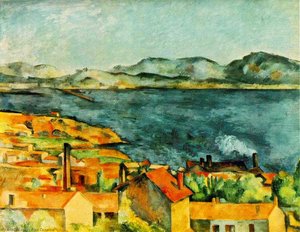
Case alla L'Estaque
Dimensioni della riproduzione
“Houses at the L'Estaque,” painted by Paul Cézanne in 1880, is a cornerstone of Post-Impressionist art—a testament to the movement’s radical departure from Impressionistic conventions.
This oil on canvas masterpiece captures the serene beauty of houses nestled into a hillside against a backdrop of azure sky. Two buildings dominate the scene, one larger than the other, positioned strategically before a mountainous panorama. Scattered trees punctuate the landscape, adding to its tranquil charm and reinforcing Cézanne’s fascination with capturing natural forms.
Cézanne's artistic vision prioritized structure and solidity over fleeting impressions. He achieved this through meticulous layering of brushstrokes—small, deliberate marks that coalesce into planes of color—creating a complex visual tapestry that draws the viewer inward.
The painting exudes an atmosphere of profound harmony with nature. Cézanne’s masterful use of color—primarily blues and greens—evokes feelings of calmness and contemplation. Furthermore, he employs geometric forms—particularly cubes and cones—to represent architectural elements and natural contours, reflecting the influence of Cubism.
A solitary figure appears in the center of the composition, subtly enhancing the scene’s contemplative mood. This element invites viewers to consider the relationship between human presence and the grandeur of the landscape.
Paul Cézanne stands as a pivotal figure bridging the gap between Impressionism and Cubism—a true innovator who fundamentally reshaped artistic perception.
His groundbreaking approach profoundly impacted subsequent avant-garde movements, notably Proto-Cubism. Artists like Georges Braque and Pablo Picasso embraced Cézanne’s techniques of simplification and geometric abstraction, paving the way for the revolutionary aesthetic of Cubism itself.
Proto-Cubism emerged as a reaction against Impressionistic subjectivity, prioritizing structural representation over optical illusion. Artists experimented with fragmented forms—often depicted in multiple perspectives—to reveal the underlying geometry of objects and spaces.
Figures like Georges Braque, Pablo Picasso, Juan Gris, Jean Metzinger, Albert Gleizes, Henri Le Fauconnier, Robert Delaunay, Fernand Léger, and others pushed the boundaries of artistic expression, anticipating the radical transformations that would characterize Cubism.
Guillaume Apollinaire’s seminal book Les Peintres Cubistes, Méditations Esthétiques offers invaluable insight into the genesis and aesthetic principles of Cubism.
The book features striking photographs documenting key artworks by prominent Cubist artists—a visual chronicle of this transformative artistic movement. Apollinaire’s text delves into philosophical considerations concerning art's role in conveying experience and reshaping our understanding of reality.
Houses at L'Estaque by Paul Cézanne remains an enduring masterpiece—a symbol of Post-Impressionism’s unwavering commitment to artistic innovation.
Its serene landscape, meticulously constructed forms, and understated color palette encapsulate Cézanne's pioneering vision. This painting serves as a powerful testament to his influence on modern art and his indelible contribution to the birth of Cubism—a legacy that continues to inspire artists and captivate audiences worldwide.
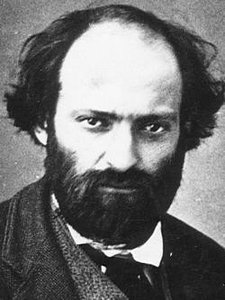
1839 - 1906 , Francia

Explore the profound evolution of art from Impressionism to Post-Impressionism. Discover how masters like Van Gogh revolutionized color and emotion, shaping modern art history through structural innovation and expressive technique.


Rimani aggiornato sulle ultime novità dell'arte, sulle offerte esclusive e sulle idee di decorazione.
Raccontaci del tuo progetto e i nostri esperti d'arte ti proporranno 3 suggerimenti artistici personalizzati.
Lascia che creiamo per te una selezione di 3 opzioni su misura – Gratis!


 Anteprima in scala reale
 Condividi
 Condividi
 Dettagli

 Scarica immagine
 Articoli simili
 Radiografia
 Slideshow

 Leggi tutto







 L'opzione vetro è disponibile solo per dimensioni inferiori a 110 cm