

Olio su tela dipinto a mano nelle tue dimensioni e con la tua cornice, realizzato su ordinazione dai nostri artisti. ( Passa alla stampa Passa all'immagine)





























Scegli tra le nostre dimensioni predefinite, che rispettano le proporzioni originali dell'opera d'arte.

È possibile inserire dimensioni personalizzate per adattare l'opera a una cornice o a uno spazio specifico. Se la dimensione selezionata non corrisponde alle proporzioni dell'immagine originale, provvederemo a ritagliare l'opera o a estendere il dipinto con elementi aggiuntivi dipinti a mano. Un mockup digitale ti sarà inviato per approvazione prima dell'inizio della produzione.
Si prega di notare che l'anteprima a schermo non riflette il ritaglio o l'estensione effettivi. Solo il mockup mostrerà accuratamente la composizione finale.
Sebbene siano disponibili dimensioni personalizzate, consigliamo di selezionare una dimensione dall'elenco predefinito per preservare le proporzioni originali.
Consegna in tutto il mondo () in 3/4 settimane anziché nelle normali 5 settimane. (5 Agosto). Nessun compromesso sulla qualità.


Head of a Woman with her Hair Loose
Dimensioni della riproduzione
Vincent Willem van Gogh (1853–1890) remains one of history’s most influential figures in Western art. His work is characterized by its beauty, emotion and color, profoundly impacting 20th-century art.
“Head of a Woman With Her Hair Loose,” painted in March 1885, exemplifies Van Gogh’s distinctive Post-Impressionist style. Characterized by thick impasto—a technique where paint is applied thickly onto the canvas—the painting utilizes bold brushstrokes and vibrant hues to convey emotion and immediacy. The artist's expressive use of color—primarily yellows and greens—creates a luminous effect, contrasting sharply with the dark spot on the woman’s head.
Van Gogh employed oil paint on canvas, meticulously layering brushstrokes to build up texture and depth. He skillfully manipulated light and shadow, enhancing the portrait's dramatic impact. The composition is simple yet powerful, focusing on the woman’s face and hair—a deliberate choice reflecting Van Gogh’s interest in exploring human psychology.
Painted during a period of intense artistic experimentation, “Head of a Woman With Her Hair Loose” aligns with the broader trends of Impressionism's decline and the emergence of Expressionism. The dark spot on the woman’s head—a puzzling element—may symbolize uncertainty or hidden anxieties, inviting contemplation about inner turmoil.
The painting resonates with viewers through its palpable emotion—a sense of solemnity and introspection conveyed by Van Gogh's masterful brushwork. It captures a moment of quiet reflection, prompting questions about identity and perception. “Head of a Woman With Her Hair Loose” remains a testament to Van Gogh’s ability to transform visual experience into profound psychological insight.
If you are interested in purchasing a hand-made oil painting reproduction of “Head of a Woman With Her Hair Loose,” please visit our website Vincent van Gogh - Head of a Woman with Her Hair Loose - Van Gogh Museum
Vincent van Gogh - Head of a Peasant Woman - National Gallery
Head of a woman - Vincent van Gogh — Google Arts & Culture
Head of a woman with her hair loose, 1885 - WikiArt.org
Vincent van Gogh - Head of a Woman - VincentvanGogh.org
Vincent Willem van Gogh (1853–1890) remains one of history’s most influential figures in Western art. His work is characterized by its beauty, emotion and color, profoundly impacting 20th-century art.
Despite achieving little recognition during his lifetime, Vincent van Gogh’s artistic legacy endured—inspiring generations of artists and captivating audiences worldwide. His distinctive style—characterized by expressive brushwork, vibrant colors, and a profound engagement with emotion—continues to resonate today.
Van Gogh’s groundbreaking techniques—particularly his impasto technique—influenced Expressionist artists like Edvard Munch and Ernst Ludwig Kirchner, shaping the trajectory of modern art.
Vincent van Gogh's enduring fame stems from his ability to convey profound emotion through visual form—a feat that cemented his place as one of history’s greatest artistic innovators. His work continues to inspire awe and contemplation, reminding us of the transformative power of art.
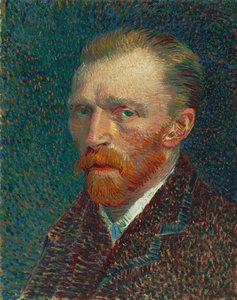
1853 - 1890 , Paesi Bassi

Explore the captivating world of Romantic Realism! Discover key artists like Courbet & Millet, masterpieces, and the social context behind this influential art movement. Expert insights for collectors at BuyPopArt.

Explore the captivating world of Fritz von Uhde, a pivotal German painter bridging Realism & Symbolism. Discover his plein-air techniques, religious themes, and influence on modern art. Learn about this fascinating artist at BuyPopArt.

Esplora la vita e le opere di Nikolai Ge, pittore realista russo che ha rivoluzionato l'arte ottocentesca con ritratti psicologici intensi e una profonda indagine sui conflitti religiosi. Scopri il suo impatto sulla storia dell'arte russa.
Esplora le 25 opere più iconiche di Egon Schiele, il maestro dell'espressionismo austriaco. Ritratti intensi, colori audaci e storie avvincenti ti aspettano. Trova riproduzioni di alta qualità e idee per decorare la tua casa su BuyPopArt.com.

Scopri come l'IA trasforma le tue foto in capolavori ispirati a Monet, Van Gogh e Picasso! Esplora il trasferimento di stile artistico con BuyPopArt. Consulenza gratuita e riproduzioni di alta qualità.


Rimani aggiornato sulle ultime novità dell'arte, sulle offerte esclusive e sulle idee di decorazione.
Raccontaci del tuo progetto e i nostri esperti d'arte ti proporranno 3 suggerimenti artistici personalizzati.
Lascia che creiamo per te una selezione di 3 opzioni su misura – Gratis!


 Anteprima in scala reale
 Condividi
 Condividi
 Dettagli

 Scarica immagine
 Articoli simili
 Radiografia
 Slideshow

 Leggi tutto







 L'opzione vetro è disponibile solo per dimensioni inferiori a 110 cm






![Iridi [1889]](/media/artworks/images/thumbnails/17/b6/17b64e9e1ede40baae0afe5972aa8de0.jpg)

