Le Fondamenta del Pensiero Geometrico
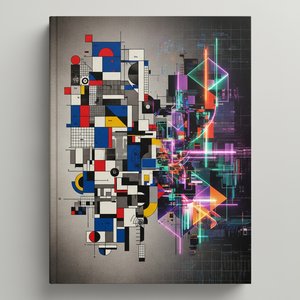
Nel cuore di Montevideo, tra le nascenti correnti moderniste della metà del XX secolo, Miguel Ángel Battegazzore intraprese un viaggio che avrebbe ridefinito i confini dell'astrazione uruguaiana. Emergendo dalla prestigiosa Escuela Nacional de Bellas Artes, egli respirò la stessa aria intellettuale dei maestri del Costruttivismo Universale, trovando una profonda ispirazione nell'eredità strutturale di Joaquín Torres García. Sotto la guida di figure come Miguel Ángel Pareja, Battegazzore non imparò semplicemente a dipingere; imparò a decodificare il linguaggio fondamentale della geometria, trattando ogni linea e piano come un veicolo per verità universali più profonde.I suoi primi anni furono caratterizzati da un intenso impegno con l'avanguardia, dove la rigida precisione delle forme geometriche incontrava una crescente curiosità verso l'essenza dello spazio. Questo periodo di formazione stabilì il basamento della sua estetica, una fondamenta su cui avrebbe successivamente costruito strutture molto più complesse e cariche di risonanza emotiva.
Un'Odissea Globale e Orizzonti in Espansione
Gli orizzonti dell'arte di Battegazzore non furono mai confinati ai confini della sua patria. Il suo spirito era improntato a un'esplorazione instancabile, una qualità che lo spinse attraverso i continenti e vari paesaggio culturali. Nel 1961, le vibranti energie dell'Europa gli offrirono una nuova lente attraverso cui osservare l'avanguardia, seguite dalle profonde e ritmiche influenze dell'Africa nel 1962. Questi viaggi, insieme alle sue successive esplorazioni in America Latina nel 1967, infusero nella sua opera una comprensione sfaccettata della tradizione e della modernità.Questi spostamenti gli permisero di intrecciare fili disparati dell'esperienza umana, trasformando la sua iniziale precisione geometrica in un dialogo più complesso e materico tra colore e spazio. L'esposizione a diverse tradizioni artistiche, ben oltre la scuola uruguaiana, gli fornì una tavolozza cosmopolita e profondamente personale, permettendo alle sue composizioni di risuonare con un significato universale.
La Tensione tra Forma e Caos
Con la maturazione della sua carriera, l'opera di Battegazzore visse una affascinante evoluzione, muovendosi dalle certezze della pura astrazione verso una figurazione più personale ed evocativa. Egli divenne un maestro della tensione, esplorando il delicato equilibrio tra l'ordine strutturato dei suoi predecessori e il bellissimo, imprevedibile caos dell'esistenza moderna. In opere come Entropía, homenaje a Jorge Amado, si può testimoniaunto questa profonda reinterpretazione; dove un tempo vi era stabilità, ora emerge una deliberata disintegrazione—la sensazione che i simboli del nostro mondo stiano cadendo dai loro piedistalli.Questa maestria nella narrazione visiva si estese ben oltre la tela. Battegazzore possedeva una rara capacità di tradurre complessità concettuali negli effimeri regni della scenografia teatrale e della cinematografia. Le sue collaborazioni con iconici luoghi di Montevideo, tra cui:
- Teatro Odeón
- Teatro Solís
- SODRE
Un'Eredità Duratura di Arte ed Educazione
Oltre alle sue singole tele, l'impatto di Battegazzore fu profondamente percepito attraverso il suo impegno verso la prossima generazione di creatori. Come dedito istruttore in varie prestigiose istituzioni, egli promosse un approccio umanista all'educazione artistica, fondendo una rigorosa indagine intellettuale con una creatività senza freni. La sua carriera accademica toccò diversi centri vitali, tra cui:- Escuela Nacional de Bellas Artes
- Enseñanza Secundaria
- Instituto de Profesores Artigas
- Facultad de Humanidades y Ciencias de la Universidad de la República