

ტილოზე შესრულებული ფერწერიანი ზეთប្រდათი, თქვენთვის სასურველი ზომისა და ჩარჩოსთვის, ჩვენი ხელოვანების მიერ შეკვეთის საფუძველზე დამზადებული. ( გადართვა ბეჭდვაზე გადართვა სურათზე)





























აირჩიეთ ჩვენს მიერ წინასწარ განსაზღვრული ზომებიდან, რომლებიც ნაწარმოების ორიგინალურ პროპორციებს შეესაბამება.

თქვენ შეგიძლიათ მიუთითოთ თქვენთვის სასურველი ზომები კონკრეტული ჩარჩოს ან სივრცის შესაბამისად. თუ თქვენ მიერ არჩეული ზომა არ შეესაბამება ორიგინალი გამოსახულების პროპორციებს, ჩვენ ან შევაჭრებთ ნაწარმოებს, ან ტილოზე დავამატებთ ხელით მოხატულ ელემენტებს. წარმოების დაწყებამდე, დამტკიცებისთვის გამოგეგზავნებათ ციფრული მაკეტი.
გთხოვთ, გაითვალისწინოთ, რომ ეკრანზე ნაჩვენები წინასწარი შეხედულება არ ასახავს რეალურ შეჭრას ან გაფართოებას. საბოლოო კომპოზიციას ზუსტად მხოლოდ მაკეტი წარმოაჩენს.
მიუხედავად იმისა, რომ შესაძლებელია ინდივიდუალური ზომების შერჩევა, ორიგინალური პროპორციების შენარჩუნებისათვის გირჩევთ, გამოიყენოთ წინასწარ განსაზღვრული სიის ზომები.
მიწოდება მსოფლიო მასშტაბით -ში 3/4 კვირაში, სტანდარტული 5 კვირის ნაცვლად. (11 აგვისტო). ხარისხზე კომპრომისის გაკეთება არ მოხდება.


Sigmund Freud, 1932
რეკლამაციის ზომა
Edward Hopper (July 22, 1882 – May 15, 1967) remains one of America’s most enduring and enigmatic figures in art. More than just a painter, he was a keen observer of modern life, capturing moments of quiet contemplation, urban isolation, and the subtle beauty found within the commonplace. Born in Nyack, New York – a town steeped in maritime history – Hopper's artistic journey began with a formal education at the New York School of Art under the tutelage of William Merritt Chase and Robert Henri, both influential figures in the American art scene. These early influences shaped his approach to depicting reality, emphasizing form, light, and shadow, while simultaneously fostering a desire to portray the emotional complexities of human experience.
Hopper’s artistic development wasn't immediate or straightforward. Initially drawn to illustration, he experimented with various styles before finding his distinctive voice. His early works, often depicting scenes from New York City, hinted at the themes that would later define his career: loneliness, alienation, and the interplay between individuals within a rapidly changing society. Crucially, Hopper’s artistic trajectory was profoundly influenced by Edgar Degas and Édouard Manet, whose innovative compositions and explorations of modern urban life served as models for his own approach to capturing fleeting moments and conveying underlying moods.
Hopper's paintings are instantly recognizable for their stark realism combined with a pervasive sense of melancholy. He rarely depicted grand narratives or dramatic events; instead, he focused on intimate scenes—a solitary diner at night, an empty street corner, a couple lost in thought—that evoked a powerful feeling of isolation and introspection. His masterful use of light and shadow played a critical role in establishing this mood, often employing strong contrasts to highlight the emptiness and silence within his compositions.
A key element of Hopper’s technique was his meticulous attention to detail, particularly in rendering architectural spaces. He meticulously observed the geometry of buildings, the patterns of windows, and the way light filtered through them, creating a sense of realism that grounded his scenes in specific locations. Furthermore, he frequently employed cropped compositions, drawing the viewer into the scene and emphasizing its spatial limitations—a technique that amplified the feeling of confinement and solitude.
Notable works like *Nighthawks* (1942) exemplify this approach perfectly. The painting’s stark lighting, isolated figures, and expansive urban backdrop create a powerful sense of unease and alienation, inviting viewers to contemplate the lives and experiences of those within the scene. Similarly, paintings such as *Automat* (1927) and *Office in a Small City* (1938) capture the quiet desperation of modern American life, portraying individuals trapped within their routines and disconnected from one another.
Edward Hopper’s personal life was inextricably linked to his art. He married Josephine Nivison in 1923, a fellow artist who served as his muse, model, and confidante. Their shared love of New England—particularly the coastal towns of Cape Cod—provided a constant source of inspiration for his paintings. The stark beauty of the landscape, the rhythmic crash of waves, and the quiet solitude of rural life all found their way into his work.
Despite achieving considerable recognition during his lifetime, Hopper remained a private and introspective individual. He deliberately avoided publicity and rarely discussed his artistic intentions, preferring to let his paintings speak for themselves. His commitment to capturing authentic moments of American experience—both the beauty and the loneliness—solidified his place as one of America’s most important artists.
Edward Hopper's influence on 20th-century art is undeniable. His distinctive style—characterized by its realism, isolation, and evocative use of light—has inspired countless artists across a wide range of mediums. His paintings continue to resonate with viewers today because they tap into universal themes of loneliness, alienation, and the search for meaning in an increasingly complex world.
Beyond his artistic achievements, Hopper’s work offers a valuable glimpse into the social and cultural landscape of America during the early 20th century. His paintings capture the spirit of a nation undergoing rapid transformation—the rise of industrialization, urbanization, and mass culture—while simultaneously exploring the enduring human need for connection and belonging. Hopper's legacy endures not only through his iconic images but also as a reminder of the power of art to illuminate the complexities of the human condition.

1882 - 1940 , Germany
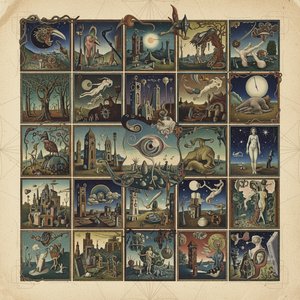
გამოიკვლიეთ მაქს ერნსტის 25 საუკეთესო შედევრი – სიურრეალიზმის გენიალური სამყარო. ნახატების ისტორია, ტექნიკა და შთაგონება BuyPopArt-ზე. შეიძინეთ ხარისხიანი რეკონსტრუქციები და შექმნით თქვენი სახლისთვის ხელოვნების უნიკალური ინტერიერი! აღმოაჩინეთ სრული კოლექცია ონლაინ.

Explore the rich history & artistic power of black and white photography. From early techniques to iconic masters like Ansel Adams, discover why monochrome continues to captivate art lovers today. Expert insights for collectors.

Explore photography's pivotal role in shaping modern & contemporary art. Discover key movements, influential artists like Stieglitz, and expert collecting advice from BuyPopArt.

Explore the captivating world of Pictorialism – a pivotal movement that transformed photography into fine art. Discover key artists like Stieglitz & Käsebier, techniques, and collecting tips from experts.

Explore the powerful history of documentary photography – from its origins to contemporary masters like Gordon Parks & W. Eugene Smith. Discover how this art form shapes our understanding of society and witness pivotal moments in time.


ყოველთვის პირველი იყავით უახლესი ხელოვნების სიახლეების, ექსკლუზიური შეთავაზებებისა და დეკორაციის იდეების შესახებ ინფორმირებული.
გვიამარტეთ თქვენი პროექტის შესახებ და ჩვენი ხელოვნების ექსპერტები მოგაწვდით 3 პერსონალიზებულ რეკომენდაციას.
დაგვიძlinეთ სამი ვარიანტის შერჩევა სპეციალურად თქვენთვის – უფასოდ!


 წინასწარი ნახვა
 გაგზავნა
 გაზიარება
 დეტალები

 ჩამოტვირთვა
 მსგავსები
 რენტგენოგრაფიული კვლევა
 სლაიდშოუ


 გადასართად დაწვრილებით ნახეთ







 მინის ჩარჩოს არჩევანი ხელმისაწვდომია მხოლოდ 110 სმ-ზე ნაკლები ზომისთვის


