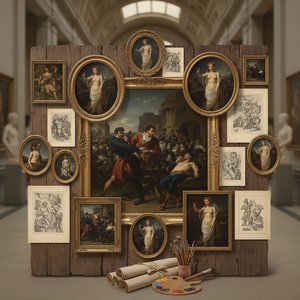
A Grandeur Preserved: The Soul of Cambrai
Stepping into the Musée des Beaux-Arts de Cambrai is less an act of entering a gallery and more an immersion into a living chronicle of human elegance. Nestled within the magnificent Hôtel de Francqueville, the museum resides in a structure that is itself a masterpiece of 1720 aristocratic splendor. As one wanders through its halls, the gilded ceilings and intricately carved fireplaces of this former noble residence whisper tales of French grandeur. For the interior designer or the lover of classical aesthetics, the architecture provides a breathtaking stage where the very walls seem to breathe with the sophistication of an era long past, offering a seamless transition between the architectural majesty of the setting and the treasures held within its care.The museum serves as a bridge between centuries, where the opulent surroundings of the 18th-century mansion provide a stunning counterpoint to the diverse eras represented in its galleries. To walk these corridors is to experience a curated dialogue between the physical space of the Hôtel de Francqueville and the evolving spirit of European art.
From Primordial Echoes to Artistic Brilliance
The museum’s narrative begins long before the first brushstroke was ever applied to canvas, offering a profound journey through time that is anchored by an archaeological collection as haunting as it is beautiful. Here, the prehistoric and the classical converge; Neolithic figurines and Roman relics serve as silent witnesses to the region's ancient rhythms. Most remarkably, the museum houses a unique osteoarchaeological assemblage, a study of human remains that provides a visceral, deeply moving connection to our shared origins. This deep, ancestral layer of history creates a poignant contrast to the luminous canvases that follow, grounding the viewer in the raw reality of existence before elevating them into the sublime heights of artistic achievement. It is this rare ability to blend the scientific with the aesthetic that makes Cambrai a singular destination for those seeking depth beyond the surface of beauty.The collection invites a contemplative state, prompting visitors to consider the enduring connection between humanity and its origins through:
- Intricately carved Neolithic artifacts that speak of ancient beliefs.
- Roman relics that illuminate the daily life of vanished communities.
- A unique study of human history through osteoarchaeological findings.
A Symphony of Light and Color
As the eye moves from the ancient to the exquisite, the collection unfolds into a breathtaking celebration of European mastery. The museum’s Flemish and Dutch treasures command attention through their dramatic use of chiaroscuro, where the masterful interplay of light and shadow brings the works of Rembrandt, Rubens, and Van Dyck to life with unparalleled intensity. This Northern European tradition of meticulous detail finds its perfect counterpart in the sweeping evolution of French art. Visitors can trace a stylistic metamorphosis from the delicate, pastel-hued elegance of Rococo masters like Boucher and Watteau to the bold, emotive brushstrokes of the Impressionist era. The presence of works by Delacroix and Monet invites a sensory exploration of color and light, while the sculptural legacies of Rodin and Camille Claudel add a tactile dimension to this visual feast.For the collector or the enthusiast, the museum offers more than just a viewing; it offers an education in the evolution of taste. From the ornate ornamentation of the 18th century to the luminous palettes of the 19th, every gallery presents a new opportunity to appreciate how light, texture, and technique have shaped our visual language. It is a collection where every frame offers a new perspective on the enduring power of human creativity, making it an essential pilgrimage for anyone captivated by the transformative magic of art.