

 Akrilas ant drobėsSieninis menasModern Abstract Expressionism
 1930
1930 24.0 x 11.0 cm
 Amerikos indigenų nacionalinis muziejus
Rankiniu būdu tapytas aliejus ant droblio jūsų pageidaujamame dydį ir rėmuose – mūsų menininkų darbas pagal užsakymą. ( Perejti prie spausdinimo Perjungti į vaizdą)





























Pasirinkite iš mūsų nustatytų dydžių, atitinkančių originalaus meno kūrinio proporcijas.

Galite įvesti savo matmenis, kad jie atitiktų konkretų rėmą ar erdvę. Jei pasirinktas dydis neatitinka originalaus paveikslėlio proporcijų, mes arba apkropsime meno kūrinį, arba papildysime tapybą rankomis dažytい elementais. Prieš pradėdami gamybą, jūsų patvirtinimui atsiųsime skaitmeninį maketą.
Atkreipkite dėmesį, kad ekrane rodomas vaizdas neatspindi tikrojo apkarpymo ar papildymo. Tik maketas tiksliai parodys galutinę kompoziciją.
Nors galima rinktis ir individualius dydžius, rekomenduojame pasirinkti matmenis iš nustatytos sąrašo, kad būtų išlaikytos originalios proporcijos.
Pristatymas visame pasaulyje () per 3–4 savaites, o ne įprastai – per 5 savaites. (5 rugpjūtis). Kokybė lieka nepakeičiama.


Seneca (Tonawanda) bambėlių šeima
Reprodukcijos matmenys

1872 - 1952 , United States of America
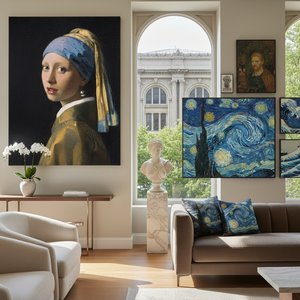
Atraskite 25 įspūdingiausius Metropoliteno meno muziejaus kūrinius! Claude Monet, van Gogh ir kiti meistrai – paveikslų istorijos, spalvų paletės bei interjero dekoravimo idėjos. Meno reprodukcijos aukščiausia kokybe BuyPopArt.com
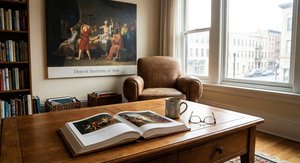
Atraskite Detroito meno instituto 25 geriausius šedevrus! Van Goghas, Monet ir kiti garsūs dailininkai. Tapybos istorijos, interjero dekoravimo idėjos bei aukštos kokybės reprodukcijos BuyPopArt.com. Explore the full collection online!
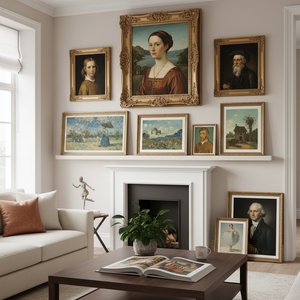
Atraskite 25 Nacionalinės galerijos meno perlus! Išsami istorija apie Monet, Picasso ir kitų žymiausių dailininkų kūrinius. Įkvėpimo interjerui ir aukštos kokybės meno reprodukcijos – BuyPopArt.com
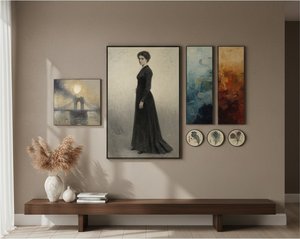
Atraskite 25 įspūdingiausius Džeimso Ebboto Maknilo Vislerio kūrinius! Tonalizmo meistras, noktiurnai ir portretai – meno istorijos šedevrai jūsų interjerui. Pirkti aukštos kokybės reprodukcijas BuyPopArt.com
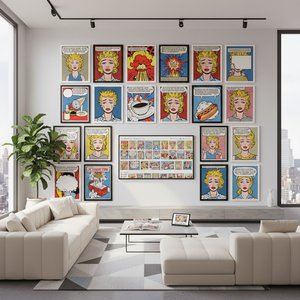
Atraskite 25 ikoniškiausius Roy Lichtenstein darbus – poparto meno šedevrus, spalvingus paveikslus ir įkvepiančią interjero dekoravimo idėjas. Meno reprodukcijos aukščiausia kokybe | BuyPopArt.com


Sekite naujausias meno naujienas, išskirtinius pasiūlymus ir dekoravimo idėjas.
Pasakokite mums apie savo projektą, o mūsų meno ekspertai parengs jums 3 asmeniškus meno pasiūlymus.
Leiskite mums parinkti 3 variantus būtent jums – nemokamai!


 Peržiūrėti realybėje
 Pasidalinti
 Dalintis
 Išsamiau

 Atsisiųsti
 Panašūs eksponatai
 Rentgeno nuotrauka
 Automatinė diorama
 Skaityti daugiau







 Stiklo variantas prieinamas tik pasirinkus dydį iki 110 cm


