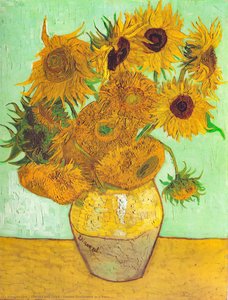
Rankiniu būdu tapytas aliejus ant droblio jūsų pageidaujamame dydį ir rėmuose – mūsų menininkų darbas pagal užsakymą. ( Perejti prie spausdinimo Perjungti į vaizdą)





























Pasirinkite iš mūsų nustatytų dydžių, atitinkančių originalaus meno kūrinio proporcijas.

Galite įvesti savo matmenis, kad jie atitiktų konkretų rėmą ar erdvę. Jei pasirinktas dydis neatitinka originalaus paveikslėlio proporcijų, mes arba apkropsime meno kūrinį, arba papildysime tapybą rankomis dažytい elementais. Prieš pradėdami gamybą, jūsų patvirtinimui atsiųsime skaitmeninį maketą.
Atkreipkite dėmesį, kad ekrane rodomas vaizdas neatspindi tikrojo apkarpymo ar papildymo. Tik maketas tiksliai parodys galutinę kompoziciją.
Nors galima rinktis ir individualius dydžius, rekomenduojame pasirinkti matmenis iš nustatytos sąrašo, kad būtų išlaikytos originalios proporcijos.
Pristatymas visame pasaulyje () per 3–4 savaites, o ne įprastai – per 5 savaites. (9 rugpjūtis). Kokybė lieka nepakeičiama.


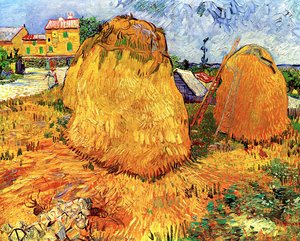
Haystacks under a Rainy Sky
Reprodukcijos matmenys
Vincent van Gogh’s “Haystacks under a Rainy Sky,” painted in 1890, is a captivating work from his series depicting haystacks. This particular piece showcases Van Gogh’s mastery of color and brushwork to convey the mood and atmosphere of the French countryside during a rainy day. The painting isn't merely a depiction of rural scenery; it's an exploration of light, texture, and the emotional resonance of nature.
The scene captures two prominent haystacks in the foreground, positioned slightly off-center to create visual interest. Smaller bales are scattered throughout the field, adding depth and a sense of abundance. An orange rock near the middle ground provides a striking contrast against the predominantly green and brown tones of the landscape. Above, the sky is overcast with heavy clouds, hinting at an impending storm or recent rainfall. Two birds are visible in the sky, adding a touch of life and movement to the otherwise still scene.
“Haystacks under a Rainy Sky” exemplifies Van Gogh’s Post-Impressionist style, characterized by bold brushstrokes, expressive color choices, and a departure from strict realism. The thick impasto technique—applying paint thickly to the canvas—creates a textured surface that captures the physicality of the scene. Van Gogh's use of short, choppy strokes conveys the movement of wind and rain, while longer, swirling strokes define the forms of the haystacks themselves. This energetic brushwork imbues the painting with a sense of vitality and emotional intensity.
Painted during Van Gogh’s final months in Auvers-sur-Oise, France, this work reflects a period of both artistic productivity and personal turmoil. The haystack series was undertaken as an exploration of light and color under different weather conditions, commissioned by the art dealer Julien Leclercq. The haystacks themselves can be interpreted symbolically – representing the harvest, abundance, and the cyclical nature of life. However, given Van Gogh’s state of mind at the time, some scholars suggest a deeper sense of melancholy or isolation reflected in the somber tones and overcast sky.
“Haystacks under a Rainy Sky” evokes a powerful emotional response through its depiction of nature's raw beauty. The painting’s subdued color palette and dramatic lighting create a mood of quiet contemplation, tinged with a sense of melancholy. The energetic brushwork conveys a feeling of movement and vitality, while the overall composition invites viewers to immerse themselves in the scene and experience the atmosphere of a rainy day in the French countryside. It is a testament to Van Gogh’s ability to transform an ordinary subject into a profound expression of human emotion.
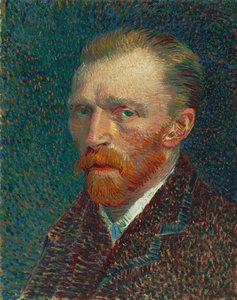
1853 - 1890 , Nyderlandai

Explore the profound evolution of art from Impressionism to Post-Impressionism. Discover how masters like Van Gogh revolutionized color and emotion, shaping modern art history through structural innovation and expressive technique.


Sekite naujausias meno naujienas, išskirtinius pasiūlymus ir dekoravimo idėjas.
Pasakokite mums apie savo projektą, o mūsų meno ekspertai parengs jums 3 asmeniškus meno pasiūlymus.
Leiskite mums parinkti 3 variantus būtent jums – nemokamai!


 Peržiūrėti realybėje
 Pasidalinti
 Dalintis
 Išsamiau

 Atsisiųsti
 Panašūs eksponatai
 Rentgeno nuotrauka
 Automatinė diorama


 Skaityti daugiau







 Stiklo variantas prieinamas tik pasirinkus dydį iki 110 cm