Akrilas ant drobėsSieninis menasPost-Impressionism
 1892
1892 65.0 x 47.0 cm
Rankiniu būdu tapytas aliejus ant droblio jūsų pageidaujamame dydį ir rėmuose – mūsų menininkų darbas pagal užsakymą. ( Perejti prie spausdinimo Perjungti į vaizdą)





























Pasirinkite iš mūsų nustatytų dydžių, atitinkančių originalaus meno kūrinio proporcijas.

Galite įvesti savo matmenis, kad jie atitiktų konkretų rėmą ar erdvę. Jei pasirinktas dydis neatitinka originalaus paveikslėlio proporcijų, mes arba apkropsime meno kūrinį, arba papildysime tapybą rankomis dažytい elementais. Prieš pradėdami gamybą, jūsų patvirtinimui atsiųsime skaitmeninį maketą.
Atkreipkite dėmesį, kad ekrane rodomas vaizdas neatspindi tikrojo apkarpymo ar papildymo. Tik maketas tiksliai parodys galutinę kompoziciją.
Nors galima rinktis ir individualius dydžius, rekomenduojame pasirinkti matmenis iš nustatytos sąrašo, kad būtų išlaikytos originalios proporcijos.
Pristatymas visame pasaulyje () per 3–4 savaites, o ne įprastai – per 5 savaites. (5 rugpjūtis). Kokybė lieka nepakeičiama.


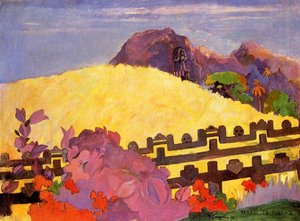
Tahitian Landscape
Reprodukcijos matmenys
Eugène Henri Paul Gauguin’s “Tahitian Landscape,” completed in 1892 during his second voyage to Tahiti, represents more than just a depiction of tropical scenery; it embodies Gauguin's profound yearning for spiritual liberation and his rejection of Western artistic conventions. Painted on canvas measuring 65 x 47 cm, this artwork immediately captivates with its bold palette—dominating greens, browns, and ochres—reflecting the lush vegetation of Tahiti’s interior. However, it is not merely visual splendor that defines its impact; rather, it's Gauguin’s masterful technique and symbolic intent.
The painting emerged during a pivotal moment in Gauguin's artistic evolution. Disillusioned by Parisian society and increasingly dissatisfied with academic art, he embarked on a quest for spiritual renewal amidst the unspoiled beauty of Tahiti—a region that captivated him with its exotic flora and fauna and its indigenous traditions. This journey profoundly influenced his artistic vision, propelling him away from traditional European landscapes toward subjects rooted in primal spirituality.
“Tahitian Landscape” transcends mere representation; it speaks to deeper symbolic concerns. The serene expanse of the landscape serves as a backdrop for two figures—a man and a woman—walking along a winding path, accompanied by a horse. These figures are rendered in simplified forms, embodying humanity’s connection with nature and suggesting a harmonious coexistence between humankind and the natural world. Gauguin's use of color—particularly the vibrant greens and browns—evokes feelings of tranquility and contemplation.
Ultimately, “Tahitian Landscape” succeeds in capturing a fleeting moment of idyllic beauty—a snapshot of rural life infused with emotional depth. Gauguin’s expressive brushwork and bold color palette convey the artist's profound reverence for nature and his desire to express spiritual truths through visual art. It remains an enduring testament to Gauguin’s innovative approach and his unwavering commitment to artistic authenticity.
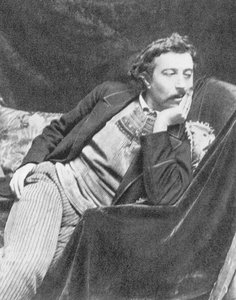
1848 - 1903 , Prancūzija

Explore the profound evolution of art from Impressionism to Post-Impressionism. Discover how masters like Van Gogh revolutionized color and emotion, shaping modern art history through structural innovation and expressive technique.


Sekite naujausias meno naujienas, išskirtinius pasiūlymus ir dekoravimo idėjas.
Pasakokite mums apie savo projektą, o mūsų meno ekspertai parengs jums 3 asmeniškus meno pasiūlymus.
Leiskite mums parinkti 3 variantus būtent jums – nemokamai!


 Peržiūrėti realybėje
 Pasidalinti
 Dalintis
 Išsamiau

 Atsisiųsti
 Panašūs eksponatai
 Rentgeno nuotrauka
 Automatinė diorama
 Skaityti daugiau







 Stiklo variantas prieinamas tik pasirinkus dydį iki 110 cm