Bekijk op ware grootteBekijk op ware grootte Bekijk in ARBekijk in AR Bestel een print Bestel een printNaar afbeelding wisselen Naar afbeelding wisselen VerstuurVerstuur
Details bekijkenDetails bekijken Toevoegen aan favorieten Toevoegen aan favorieten DownloadDownload Vergelijkbare werkenVergelijkbare werken RöntgenonderzoekRöntgenonderzoek DiavoorstellingDiavoorstelling

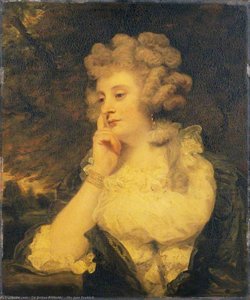
Mevrouw Jane Braddyll

Bewonder Sir Joshua Reynolds’ ‘Mrs Jane Braddyll’, een prachtig neoclassicistisch portret uit 1788. Ontdek de dramatische belichting, rijke textuur en elegante stijl – een meesterwerk van de Britse kunst.

Sir Joshua Reynolds (1723-1792): De invloedrijke Britse portretschilder & eerste president van de Koninklijke Academie. Bekend om zijn 'Grand Style' en het vastleggen van adel, intellect en de Britse cultuur.

Handgemaakte olieverfreproductie

Met de hand geschilderd in olieverf op canvas in uw gewenste maat en lijst, op bestelling gemaakt door onze kunstenaars. (Bestel een print Bestel een printNaar afbeelding wisselen Naar afbeelding wisselen)

P118B $10
P118H $10
P118W $10
P438Z $10
P508JH $12
P508YH $12
P805H $10
P805Z $10
P919BZ $10
P919G $10
P919XJ $10
P959ZH $10
P968JZ $12
W106C $8
W218G $10
W218JH $8
W218Y $10
W307PJ $10
W316G $10
W316PJ $8
W316Y $10
W398PJ $8
W4111J $10
W500HY $15
W500JH $15
W692G $12
W849H $8
W940BG $15
W953PJ $8

Standard
custom
CM
INCH

Kies uit onze vooraf ingestelde maten die overeenkomen met de originele verhoudingen van het kunstwerk.

breedte
hoogte

U kunt uw eigen afmetingen invoeren om in een specifieke lijst of ruimte te passen. Als de door u gekozen maat niet overeenkomt met de verhoudingen van het originele beeld, zullen we het kunstwerk bijsnijden of het schilderij uitbreiden met extra handgeschilderde elementen. Een digitale mockup wordt ter goedkeuring naar u verzonden voordat de productie begint.
Houd er rekening mee dat de preview op het scherm niet de werkelijke uitsnede of uitbreiding weergeeft. Alleen de mockup toont de uiteindelijke compositie nauwkeurig.
Hoewel aangepaste afmetingen mogelijk zijn, raden we aan een maat uit de vooraf gedefinieerde lijst te selecteren om de originele verhoudingen te behouden.

Voorbeelden van wat aangepast kan worden: Vervang het gezicht met een eigen foto; Voeg een huisdier toe (bijv. vervang de kat door een hond); Verwerk een verborgen boodschap in de achtergrond; Wijzig het landschap of andere elementen in de achtergrond.
Na de bestelling zal het team van BuyPopArt.com per e-mail contact opnemen met de klant voor instructies en een mockup-voorbeeld sturen.

Wereldwijde levering () binnen 3 tot 4 weken in plaats van de standaard 5 weken. (11 augustus). Zonder concessies aan de kwaliteit.

why_choose_icon
Gratis wereldwijde expressverzending
why_choose_icon
Hoogwaardig linnen canvas
why_choose_icon
Volledige verzendverzekering
why_choose_icon
Garantie op terugbetaling van invoerrechten
why_choose_icon
Garantie op exacte kleurweergave
why_choose_icon
60 dagen retourbeleid (alleen bij defecten)
why_choose_icon
100% Geld-terug-garantie
why_choose_icon
Korting bij meerdere afnames

Totaalprijs

$ 288

reproduction

Mevrouw Jane Braddyll

Medium reproductie

Formaat reproductie

-

Totaalprijs

$ 288

Belangrijkste kenmerken

  • Influences: Rococo
  • Year: 1788
  • Artistic style: Grand Style
  • Movement: Neoclassical
  • Artist: Sir Joshua Reynolds
  • Location: Wallace Collection
  • Subject or theme: Portraiture

Kunstquiz

Er is slechts één goed antwoord op elke vraag.

Vraag 1:
What artistic movement is Sir Joshua Reynolds’ ‘Mrs. Jane Braddyll’ primarily associated with?
Vraag 2:
The hazy landscape background in ‘Mrs. Jane Braddyll’ exemplifies a technique known as:
Vraag 3:
What is the dominant style of brushstrokes employed by Reynolds in this portrait?
Vraag 4:
Based on the description, what can you infer about the sitter’s emotional state?
Vraag 5:
‘Mrs. Jane Braddyll’ was created in which decade?

Beschrijving kunstwerk

Mrs Jane Braddyll: Een portret van elegantie gedefinieerd door Reynolds' Grand Style

Sir Joshua Reynolds' “Mrs Jane Braddyll,” voltooid in 1788, staat als een quintessentiële voorloper van de neoclassicistische portretkunst—een genre dat bloeide tijdens de Verlichting en streefde naar het verheffen van de beeldende kunsten door middel van geïdealiseerde schoonheid en minutieuze observatie. Meer dan slechts een gelijkenis, belichaamt dit schilderij Reynolds' gevierde ‘Grand Style’, wat zijn diepgaande begrip van artistieke conventie weerspiegelt en zijn meesterlijke vermogen om niet alleen het uiterlijk, maar ook het karakter en de sociale status vast te leggen.

  • Onderwerp: Het portret toont Jane Braddyll, een vrouw van aanzienlijke invloed binnen aristocratische kringen. Haar serene blik en zorgvuldig geposeerde houding stralen een lucht van beheersing en waardigheid uit—eigenschappen die in die periode als essentieel werden beschouwd bij het afbeelden van personen van adel.
  • Stijl & Techniek: Reynolds maakte gebruik van de Grand Style, gekenmerkt door gladde oppervlakken die werden bereikt door olieverf met uiterste precisie in lagen aan te brengen. De penseelstreken zijn subtiel vervloeid om een lumineus effect te creëren, waarbij tonale variaties worden benadrukt die het canvas voorzien van diepte en realisme. De kunstenaar maakte vakkundig gebruik van arcering- en kruisarceringstechnieken om vormen te definiëren—met name de plooien van Braddyll's jurk en de contouren van haar gezicht—wat bijdraagt aan de texturale rijkdom en de visuele impact versterkt.
  • Historische Context: Geschonken aan een tijd van significante artistieke innovatie, weerspiegelt “Mrs Jane Braddyll” de bredere culturele preoccupatie met klassieke idealen en humanistische waarden. Het werk van Reynolds sluit naadloos aan bij de heersende esthetische gevoeligheden van zijn tijd en toont een onwankelbare toewijding aan het vastleggen van schoonheid in haar meest verfijnde vorm.
  • Symboliek & Compositie: De nevelige landschapsachtergrond dient als meer dan een louter decoratief element; het versterkt subtiel de contemplatieve stemming van het portret. De positionering van Braddylu—centraal in het kader geplaatst—benadrukt haar belang en stuurt de aandacht van de kijker naar haar expressieve gezicht. Lijnen domineren de compositie, leiden het oog over het canvas en dragen bij aan een gevoel van evenwicht en harmonie.
  • Emotionele Impact: “Mrs Jane Braddyll” overstijgt de loutere representatie; het roept gevoelens van sereniteit, gratie en ingetogen elegantie op. De meesterlijke techniek van Reynolds legt niet alleen Braddyll's fysieke verschijning vast, maar ook haar innerlijke geest—een getuigenis van het vermogen van de kunstenaar om diepe emotie over te brengen via visuele kunst.

Dit opmerkelijke kunstwerk is een voorbeeld van Reynolds' toewijding om portretkunst te verheffen boven een eenvoudige gelijkenis, waardoor het transformeert in een voertuig voor intellectuele en emotioneende diepgang. De blijvende aantrekkingskracht ligt in de tijdloze schoonheid en de meesterlijke uitvoering—een nalatenschap die kunstenaars en verzamelaars tot op de dag van vandaag inspireert.

De visie van de kunstenaar verkennen: Reynolds & de Grand Style

Sir Joshua Reynolds (1723–1792) revolutioneerde de Britse schilderkunst met zijn pioniersrol in de portretkunst. Hij was een voorvechter van de ‘Grand Style’ en verwierp de frivoliteit van de Rococo ten gunste van een gedisciplineerde techniek, gericht op het bereiken van geïdealiseerde schoonheid en het overbrengen van psychologische nuance. Reynolds bestudeerde klassieke sculptuur en tekenkunst met uiterste zorg, waarbij hij principes van anatomie en perspectief integreerde in zijn composities—een bewuste inspanning om de grandeur van de oudheid na te bootsen.

Gedetailleerde analyse: Techniek & Materialen

De meesterschap van Reynolds lag in zijn zorgvuldige applicatie van olieverf op canvas. Hij maakte gebruik van een gelaagde techniek die bekend staat als ‘glaceren’, waarbij hij dunne, transparante kleurlagen over eerdere lagen aanbracht—een proces dat met verbazingwekkende subtiliteit tonale diepte en lichtkracht opbouwt. De kunstenaar gebruikte arcering en kruisarcering om texturen en contouren te creëren, waarbij hij details zoals de plooien van Braddyll's gewaad en de delicate lijnen van haar haar minutieus weergaf.

Voorbij de representatie: Symboliek & Context

De landschapsachtergrond—weergegeven in atmosferisch perspectief—suggereert een buitenomgeving, terwijl het tegelijkertijd de contemplatieve stemming van het portret versterkt. Reynolds maakte vakkundig gebruik van compositionele elementen om een gevoel van evenwicht en harmonie over te brengen, wat de fascinatie van de Verlichting voor rationele orde en intellectuele helderheid weerspiegelt.
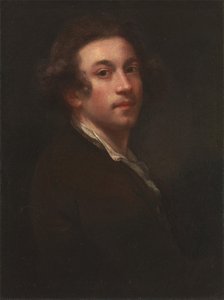

Biografie van de kunstenaar

A Luminary of the Enlightenment: The Life and Art of Sir Joshua Reynolds

Born in 1723 in the quaint Devonshire town of Plympton, Sir Joshua Reynolds emerged as a pivotal figure during a period of immense cultural transformation in Britain. His father, Reverend Samuel Reynolds, instilled in him a love for learning and intellectual pursuits, initially steering young Joshua towards a scholarly path. However, an undeniable artistic inclination soon surfaced, leading to his apprenticeship with Thomas Hudson in London at the age of seventeen. This formative experience provided Reynolds with a solid foundation in portraiture—a genre that would define his illustrious career. Hudson’s studio was a bustling hub of fashionable society, exposing Reynolds to the demands and expectations of aristocratic patrons, shaping not only his technique but also his understanding of the social landscape he would come to depict so masterfully. It wasn't merely about capturing likeness; it was about constructing an image that reflected status, taste, and aspiration.

Forging a ‘Grand Style’ for British Portraiture

Reynolds didn’t simply replicate what he learned from Hudson. He embarked on a journey of artistic exploration, fueled by a deep admiration for the Old Masters—particularly Raphael, Michelangelo, and Titian. A pivotal moment in his development was a sojourn to Rome in 1750, where he immersed himself in classical art and absorbed the principles of the ‘Grand Style’ – an approach that prioritized idealized beauty, dramatic composition, and historical or mythological allusions. Upon returning to England, Reynolds sought to elevate British portraiture beyond mere representation, infusing it with a sense of dignity and intellectual weight previously unseen. He believed that portraits should not just record physical appearances but also reveal the sitter's character and social standing. This ambition led him to incorporate elements of history painting into his work, often depicting his subjects in elaborate costumes or staged settings reminiscent of classical narratives. He wasn’t merely painting *people*; he was crafting enduring images of power, intellect, and refinement. Reynolds meticulously studied the works of Rubens and Van Dyck, absorbing their techniques for creating a sense of grandeur and theatricality within portraiture. He sought to emulate their ability to imbue subjects with an aura of importance and timelessness.

The First President and Champion of the Royal Academy

Reynolds' influence extended far beyond his own canvas. In 1768, he became a founding member of the Royal Academy of Arts, and crucially, its first president—a position he held until his death in 1792. This was a watershed moment for British art, establishing an institution dedicated to fostering artistic talent and promoting national identity. Reynolds tirelessly advocated for the importance of art education and championed the recognition of artists as professionals deserving of respect and patronage. His annual Discourses – lectures delivered to Academy students – became seminal texts on artistic theory and practice, outlining his vision for a distinctly British school of painting. He stressed the importance of studying nature, mastering technique, and cultivating imagination, urging artists to strive for originality while remaining grounded in tradition. Reynolds’ leadership transformed the landscape of British art, elevating its status and laying the foundation for future generations of artistic innovation. He actively promoted the idea that portraiture could be more than a simple likeness; it could be a vehicle for exploring character, social standing, and even historical context.

Capturing an Era: Notable Works and Enduring Legacy

Reynolds' prolific output encompassed portraits of some of the most prominent figures of 18th-century Britain—members of the aristocracy, literary luminaries, and military heroes. His portrait of Duke of Devonshire, for example, exudes an air of aristocratic power and sophistication, while his depiction of Peter Darnell Muilman, Charles Crokatt and William Keable in a Landscape showcases his ability to integrate figures seamlessly into natural settings. Mr and Mrs William Lindow is another compelling example of his skill in capturing the intimacy and social dynamics of family life. Beyond individual portraits, Reynolds also excelled at group compositions, skillfully arranging multiple figures within a single frame to create dynamic and engaging narratives. His work wasn’t simply about technical proficiency; it was about storytelling—about conveying the essence of an era through carefully constructed images. Reynolds' paintings are characterized by their meticulous detail, rich colors, and dramatic lighting – elements that contribute to their enduring appeal. He skillfully employed techniques such as chiaroscuro (the contrast between light and dark) to create a sense of depth and volume within his portraits, drawing the viewer’s eye to key features and expressions.

A Complex Legacy: Patronage and Beyond

Despite his immense success and influence, Reynolds' career was not without its complexities. He relied heavily on patronage from wealthy aristocrats, who commissioned portraits that served as both a display of wealth and social status. However, he also faced criticism for his idealized depictions of subjects, which some viewed as artificial or lacking in genuine emotion. More recently, scholars have examined Reynolds’ work through the lens of colonialism and slavery, revealing how his portraits often depicted individuals connected to the transatlantic slave trade. The inclusion of enslaved servants in his paintings, such as in the portrait of Francis Barber (a former enslaved person in Samuel Johnson's household), raises uncomfortable questions about the ethical implications of his art and the broader context of 18th-century British society. Despite these complexities, Sir Joshua Reynolds remains a towering figure in British art history—a master painter whose work continues to inspire and provoke debate centuries after his death. His legacy is one of innovation, ambition, and a profound engagement with the social and cultural landscape of his time.
Sir Joshua Reynolds

Sir Joshua Reynolds

1723 - 1792 , Verenigd Koninkrijk

Snelle feiten

  • Artistic Movement Or Style: Grand Style portret
  • Artists Or Movements Influenced By This Artist:
    • Titian
    • Raphael
  • Artists Who Influenced This Artist: ['Thomas Hudson']
  • Date Of Birth: 1723
  • Date Of Death: 1792
  • Full Name: Sir Joshua Reynolds
  • Nationality: Britse
  • Notable Artworks:
    • Duke Devonshire
    • Peter Muilman
    • Mr & Mrs Lindow
  • Place Of Birth: Plymouth, VK
Ontdek kunstwerken georganiseerd op thema, stijl en kenmerk.