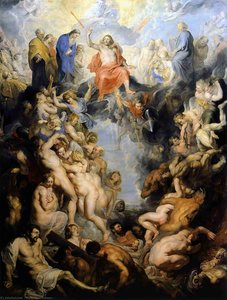
Met de hand geschilderd in olieverf op canvas in uw gewenste maat en lijst, op bestelling gemaakt door onze kunstenaars. ( Bestel print Koop afbeelding)





























Kies uit onze vooraf ingestelde maten die overeenkomen met de originele verhoudingen van het kunstwerk.

U kunt uw eigen afmetingen invoeren om in een specifieke lijst of ruimte te passen. Als de door u gekozen maat niet overeenkomt met de verhoudingen van het originele beeld, zullen we het kunstwerk bijsnijden of het schilderij uitbreiden met extra handgeschilderde elementen. Een digitale mockup wordt ter goedkeuring naar u verzonden voordat de productie begint.
Houd er rekening mee dat de preview op het scherm niet de werkelijke uitsnede of uitbreiding weergeeft. Alleen de mockup toont de uiteindelijke compositie nauwkeurig.
Hoewel aangepaste afmetingen mogelijk zijn, raden we aan een maat uit de vooraf gedefinieerde lijst te selecteren om de originele verhoudingen te behouden.
Wereldwijde levering () binnen 3 tot 4 weken in plaats van de standaard 5 weken. (16 augustus). Zonder concessies aan de kwaliteit.


Helena Fourment met Frans Rubens
Afmetingen reproductie
Peter Paul Rubens’s “Helena Fourment with Frans Rubens,” housed within the hallowed halls of the Musée du Louvre, is more than simply a portrait; it’s a carefully constructed tableau vivant—a snapshot of domestic life imbued with the grandeur and dynamism characteristic of the Flemish Baroque. Painted in 1639, during a pivotal period in Rubens’s career and personal life, this oil-on-panel masterpiece offers a rare glimpse into the world of a prominent artist and his family, revealing layers of elegance, ambition, and quiet intimacy.
The painting immediately commands attention with its masterful use of color and light. The figures are enveloped in deep, rich blacks – a deliberate choice that speaks to the formality and status of both Helena and Rubens. These dark tones are brilliantly offset by the subtle highlights on their clothing, particularly the delicate white collar worn by Helena, drawing the eye to her face—a portrait of serene beauty framed by a simple yet sophisticated hat. The background, rendered with meticulous detail, isnrsquo;t merely decorative; it establishes a sense of space and depth, hinting at a formal garden or courtyard – a setting that speaks to wealth, refinement, and the cultivated life favored by Antwerp’s elite.
Peter Paul Rubens was an extraordinary figure, not just as an artist but also as a diplomat, scholar, and humanist. His education in classical literature and philosophy profoundly influenced his work, imbuing it with a sense of intellectual depth and a fascination with mythology and history. “Helena Fourment with Frans Rubens” exemplifies this; the composition subtly references classical ideals of beauty and harmony, while simultaneously capturing the immediacy of a family moment. Rubens’s ability to seamlessly blend these influences is what truly sets his work apart.
The inclusion of his son, Frans Rubens, beside his wife underscores the importance of lineage and legacy within the artist's world. It’s a visual statement of continuity—a future generation inheriting both artistic talent and social standing. Rubens himself, depicted in a pose of dignified authority, subtly directs the viewer’s gaze towards Helena, suggesting her central role within the family and his own admiration for her.
Beyond its formal beauty, the painting is rich with symbolic details. The object held delicately in Helena's hand—likely jewelry or a small token—represents wealth, status, and perhaps even affection. Her posture, graceful yet poised, conveys an air of quiet confidence and self-possession. The subtle interaction between Rubens and his wife – the gentle gesture of his hand, the direct gaze – hints at a deep connection built on mutual respect and admiration. It’s not a passionate embrace, but rather a portrait of a stable, loving partnership—a cornerstone of their lives.
Interestingly, Helena Fourment herself was a woman of considerable influence in her own right. She was the daughter of a wealthy silk merchant, bringing with her a certain social standing and financial security to Rubens’s life. Her presence within the painting elevates it beyond a simple portrait; it becomes a reflection of Antwerp’s thriving mercantile society and the intersection of art, wealth, and family.
Rubens’ masterful technique—characterized by bold brushstrokes, luminous color palettes, and an unparalleled understanding of anatomy—is evident throughout the canvas. The artist meticulously rendered Helena's facial features with remarkable accuracy, capturing her expression of serene contemplation. Frans Rubens is portrayed with a youthful vitality, embodying the promise of artistic inheritance.
The painting’s setting—a formal garden bathed in dappled sunlight—further enhances its grandeur and reinforces the aristocratic ambiance of Antwerp at the time. The meticulous attention to detail—from the textured fabric of Helena's gown to the delicate foliage of the plants—demonstrates Rubens’s dedication to realism and his desire to convey a sense of palpable atmosphere.
“Helena Fourment with Frans Rubens” remains a testament to Peter Paul Rubens’s extraordinary talent—a captivating blend of technical skill, humanist ideals, and emotional resonance. It is a window into a bygone era, offering a glimpse into the life of an artist at the height of his powers and a poignant reminder of the enduring beauty and complexity of the Flemish Baroque.
The painting’s legacy extends far beyond its aesthetic merits. It serves as a valuable historical document, providing insights into the social customs and artistic sensibilities of 17th-century Flanders. Moreover, it continues to inspire artists and scholars alike, prompting contemplation on themes of family, beauty, and human dignity.
The painting’s enduring appeal lies in its ability to evoke a profound sense of emotion—a feeling of warmth, tenderness, and admiration for the subjects depicted. Rubens skillfully captured not only their physical appearance but also their inner lives, conveying a depth of character that transcends time.
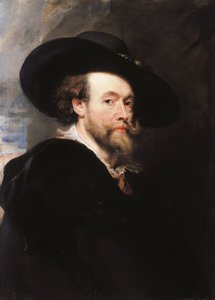
1577 - 1640 , Duitsland

Master the art of drama with our ultimate guide to Baroque landscapes. Discover the power of chiaroscuro, explore legendary masters, and learn how to curate epic, dark-vibe masterpieces for your collection with expert insights from BuyPopArt.

Discover the breathtaking drama of Flemish Baroque art. Explore the mastery of Rubens and Van Dyck through an expert lens, focusing on chiaroscuro, opulent detail, and the emotional intensity that defines this legendary era of visual impact.


Blijf op de hoogte van het laatste kunstnieuws, exclusieve aanbiedingen en decoratie-ideeën.
Vertel ons over uw project en onze kunstexperts geven u 3 gepersonaliseerde kunstsuggesties.
Wij stellen drie opties speciaal voor u samen – gratis!


 Voorvertoning
 Verstuur
 Delen
Delen
 Details bekijken

 Download
 Vergelijkbare items
 Röntgenonderzoek
 Diavoorstelling


 Lees meer







 De optie voor glas is alleen beschikbaar bij een formaat kleiner dan 110 cm.