Olieverf op canvasWanddecoratieOther
 Renaissance
 48.0 x 40.0 cm
 Museo Lázaro Galdiano
Met de hand geschilderd in olieverf op canvas in uw gewenste maat en lijst, op bestelling gemaakt door onze kunstenaars. ( Bestel print Koop afbeelding)





























Kies uit onze vooraf ingestelde maten die overeenkomen met de originele verhoudingen van het kunstwerk.

U kunt uw eigen afmetingen invoeren om in een specifieke lijst of ruimte te passen. Als de door u gekozen maat niet overeenkomt met de verhoudingen van het originele beeld, zullen we het kunstwerk bijsnijden of het schilderij uitbreiden met extra handgeschilderde elementen. Een digitale mockup wordt ter goedkeuring naar u verzonden voordat de productie begint.
Houd er rekening mee dat de preview op het scherm niet de werkelijke uitsnede of uitbreiding weergeeft. Alleen de mockup toont de uiteindelijke compositie nauwkeurig.
Hoewel aangepaste afmetingen mogelijk zijn, raden we aan een maat uit de vooraf gedefinieerde lijst te selecteren om de originele verhoudingen te behouden.
Wereldwijde levering () binnen 3 tot 4 weken in plaats van de standaard 5 weken. (20 augustus). Zonder concessies aan de kwaliteit.


St. John the Baptist in de Woestijn
Afmetingen reproductie
Hieronymus Bosch's *St John the Baptist in the Wilderness*, painted around 1489, is not simply a depiction of a biblical hermit; it’s an invitation into a realm where spirituality and introspection intertwine with the unsettling beauty of the natural world. Housed today at the Museo Lázaro Galdiano in Madrid, this oil on panel—measuring just 48 x 40 cm—possesses a captivating intimacy that belies its profound depth. Bosch doesn’t present us with the fiery prophet often seen in religious art; instead, we encounter a contemplative figure absorbed in quiet devotion, seated within a landscape teeming with subtle symbolism and an almost palpable sense of solitude.
Bosch's artistic style defies easy categorization. While rooted in the Northern Renaissance tradition, his work possesses a uniquely personal vision that anticipates elements of Surrealism centuries before its emergence. *St John the Baptist in the Wilderness* exemplifies this approach. The meticulous technique—layers of oil paint applied with precision to create rich textures and nuanced details—is immediately apparent. The scene isnrsquo;t merely observed; it's constructed, imbued with a dreamlike quality that draws the viewer into its enigmatic atmosphere. A bird in flight above St. John echoes another perched nearby, visually suggesting a connection between earthly existence and divine realms. The sheep scattered throughout the wilderness symbolize purity and innocence, while the surrounding flora—often bizarre and fantastical—hints at hidden meanings and spiritual trials. The wilderness itself isnrsquo;t just a backdrop; it embodies a space of testing and purification, a place where one confronts oneself in search of communion with God.
To understand *St John the Baptist in the Wilderness*, we must consider the historical context in which it was created. The late 15th century in the Netherlands was a period of religious fervor, societal upheaval, and growing anxieties about mortality and salvation. St. John the Baptist, as the forerunner to Christ, held particular significance—representing repentance, humility, and preparation for divine grace. Bosch’s depiction reflects these concerns, presenting a figure deeply immersed in contemplation amidst a world that feels both beautiful and precarious. Interestingly, art historians believe this painting may have originally formed part of an altarpiece alongside *St. John the Evangelist on Patmos*, suggesting a deliberate pairing intended to explore different facets of faith and revelation—the active preparation versus the visionary experience.
What truly sets Bosch’s work apart is its emotional impact. *St John the Baptist in the Wilderness* doesnrsquo;t shout its message; it whispers, inviting viewers to engage with their own spiritual questions and anxieties. The painting evokes a sense of quiet contemplation and melancholic beauty—a feeling that lingers long after one has turned away. Itrsquo;s a work that rewards repeated viewing, revealing new layers of meaning with each encounter. Bosch's innovative approach to religious themes profoundly influenced generations of artists, establishing him as a pivotal figure in art history. His ability to blend realism with fantastical elements continues to captivate and inspire, making his works timeless masterpieces—and ensuring that *St John the Baptist in the Wilderness* remains a powerful testament to the enduring human search for meaning.
Born around 1450 in the vibrant, bustling town of ’s-Hertogenbosch in the Netherlands—then part of Brabant—Hieronymus Bosch, originally Jheronimus van Aken, remains one of art historyrsquo;s most compelling and mysterious figures. His world was steeped in late medieval religious fervor, folklore, and a growing sense of societal unease, all of which would profoundly shape his uniquely unsettling artistic vision. Coming from a family with a long tradition of painting—his grandfather, Jan van Aken, and father, Anthonius van Aken, were both artists—Bosch likely received his earliest training within the family workshop, absorbing the techniques and conventions of Netherlandish painting. However, even in his formative years, he began to diverge from established norms, hinting at the extraordinary imagination that would define his career.
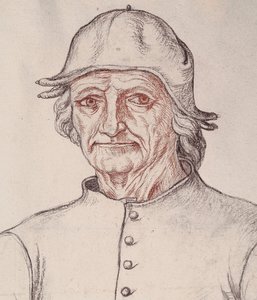
1450 - 1516 , Nederland
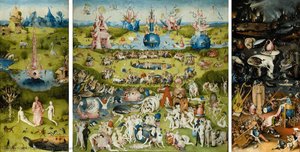
Ontdek de top 25 meesterwerken van Hieronymus Bosch! Duik in de symboliek, fantasie & religieuze kunst van deze vroege Nederlandse Renaissance schilder. Vind museumkwaliteit reproducties en inspiratie voor uw interieurdecoratie op BuyPopArt.com.

Explore the captivating world of Hieronymus Bosch! Delve into the symbolism, religious context, and artistic innovation of this Netherlandish master with BuyPopArt's expert analysis. Discover his iconic paintings & lasting influence.
Ontdek de 25 mooiste schilderijen van John Constable, meester van de Engelse Romantiek. Van idyllische landschappen tot iconische Hay Wain – bewonder zijn techniek en emotie. Museumkwaliteit reproducties & decoratie op BuyPopArt.com.
Ontdek de 25 mooiste meesterwerken van John Singer Sargent! Van elegante portretten tot impressionistische schilderijen – leer over zijn leven, techniek & impact. Museumkwaliteit reproducties voor uw interieur op BuyPopArt.com.
Ontdek de 25 meest iconische meesterwerken van het Museo del Prado! Van Velázquez tot Goya, leer over Spaanse kunstgeschiedenis en bewonder barokke pracht. Vind uw perfecte wanddecoratie & museumkwaliteit reproducties op BuyPopArt.com.


Blijf op de hoogte van het laatste kunstnieuws, exclusieve aanbiedingen en decoratie-ideeën.
Vertel ons over uw project en onze kunstexperts geven u 3 gepersonaliseerde kunstsuggesties.
Wij stellen drie opties speciaal voor u samen – gratis!


 Voorvertoning
 Verstuur
 Delen
Delen
 Details bekijken

 Download
 Vergelijkbare items
 Röntgenonderzoek
 Diavoorstelling
 Lees meer







 De optie voor glas is alleen beschikbaar bij een formaat kleiner dan 110 cm.