

 Olje på lerretVeggkunstClassical Academic Realism
 1900
1900 46.0 x 35.0 cm
 Watts Gallery – Artists' Village
Håndmalt olje på lerret i din valgte størrelse og ramme, laget på bestilling av våre kunstnere. ( Bytt til trykk Bytt til bilde)





























Velg mellom våre forhåndsdefinerte størrelser som bevarer kunstverkets opprinnelige proporsjoner.

Du kan angi egne mål for å tilpasse en spesifikk ramme eller plass. Dersom den valgte størrelsen ikke samsvarer med originalbildets proporsjoner, vil vi enten beskjære kunstverket eller utvide maleriet med ytterligere håndmalte elementer. En digital mockup vil bli sendt til din godkjenning før produksjonen starter.
Vennligst merk at forhåndsvisningen på skjermen ikke gjenspeiler den faktiske beskjæringen eller utvidelsen. Kun mockuppen vil vise den endelige komposisjonen nøyaktig.
Selv om tilpassede størrelser er tilgjengelige, anbefaler vi å velge et mål fra den forhåndsdefinerte listen for å bevare de originale proporsjonene.
Verdensomspennende levering () på 3–4 uker i stedet for standard 5 uker. (5 August). Ingen kompromisser med kvaliteten.


De nakne mannene
Størrelse på reproduksjon

1863 - 1937 , Storbritannia
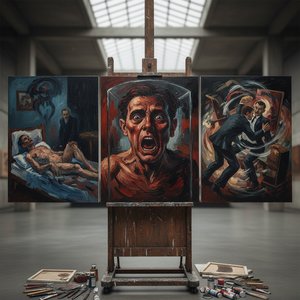
Utforsk Francis Bacons 25 mest ikoniske malerier! Oppdag historiene bak ekspresjonistiske mesterverk, fra 'Scream' til 'Pope Innocent X'. Finn kunsttrykk og lerretstrykk av høy kvalitet for ditt hjem på BuyPopArt.com – museumskvalitet & inspirasjon.
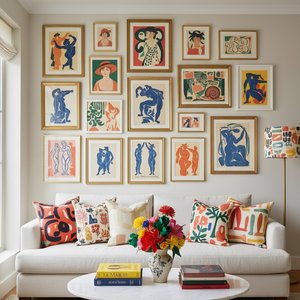
Utforsk 25 ikoniske malerier av Henri Matisse! Oppdag historien bak fauvismens fargerike mesterverk, fra 'The Dance' til 'Red Studio'. Finn kunsttrykk og reproduksjoner i museumskvalitet for din interiørdesign på BuyPopArt.com.
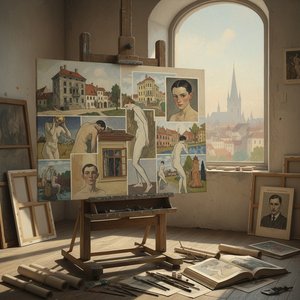
Utforsk Egon Schieles 25 mest ikoniske malerier! Oppdag ekspresjonismens sjel gjennom portretter, selvportrett og kraftfulle farger. Finn museumskvalitets reproduksjoner og interiørinspirasjon på BuyPopArt.no – din kilde til tidløs kunst.
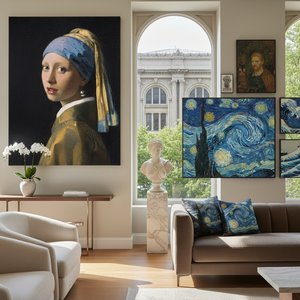
Oppdag de 25 mest ikoniske kunstverkene fra Metropolitan Museum of Art i New York! Lær historien bak Rembrandt, Van Gogh, Monet og mer. Finn inspirasjon til interiøret ditt med museumskvalitets reproduksjoner på BuyPopArt.com.

Oppdag 10 legendariske oljemalerier på plate som forandret kunsthistorien! Lær om impresjonisme, ekspresjonisme og kjente kunstnere. Finn inspirasjon til interiørdesign & kjøp reproduksjoner av høy kvalitet på BuyPopArt.com.


Hold deg oppdatert med de siste kunstnyhetene, eksklusive tilbud og dekorasjonsideer.
Fortell oss om prosjektet ditt, så vil våre kunsteksperter gi deg 3 personlige kunstforslag.
Vi velger ut 3 alternativer kun for deg – helt gratis!


 Forhåndsvisning
 Send
Send Del med andre
 Vis detaljer

 Last ned bildet
 Liknende objekter
 Røntgenundersøkelse
 Lysbildefremvisning
 Vis hele teksten







 Glassalternativet er kun tilgjengelig i størrelser under 110 cm


