

 Akryl na płótnieSztuka ściennaLate Renaissance Mannerism
 1551
1551 342.0 x 181.0 cm
 Luwr
LuwrRęcznie malowany obraz olejny na płótnie, wykonany na zamówienie przez naszych artystów w wybranym przez Ciebie wymiarze i oprawie. ( Zamów wydruk Przełącz na obraz)





























Wybierz spośród naszych standardowych rozmiarów, które zachowują oryginalne proporcje dzieła sztuki.

Możesz wprowadzić własne wymiary, aby dopasować obraz do konkretnej ramy lub przestrzeni. Jeśli wybrany rozmiar nie będzie odpowiadał proporcjom oryginału, przytniecie dzieło sztuki lub rozszerzymy je o dodatkowe elementy, ręcznie domalowane przez artystę. Przed rozpoczęciem produkcji wyślemy projekt cyfrowy do Twojej akceptacji.
Należy pamiętać, że podgląd na ekranie nie odzwierciedla rzeczywistego przycinania ani rozszerzania obrazu. Tylko projekt dokładnie pokaże ostateczną kompozycję.
Choć oferujemy możliwość zamówienia niestandardowych rozmiarów, zalecamy wybór wymiaru z gotowej listy, aby zachować oryginalne proporcje dzieła.
Dostawa na całym świecie () w ciągu 3–4 tygodni zamiast standardowych 5 tygodni. (10 Sierpień). Bez kompromisów w kwestii jakości.


Iseppo i Adriano da Porto
Wymiary reprodukcji
Paolo Veronese’s “Portrait of Iseppo da Porto and his son Adriano,” completed around 1552, stands as a testament to the artistic fervor of Venice during its Golden Age. This monumental canvas—measuring an impressive 247 x 133 cm—is housed in the Uffizi Gallery in Florence, offering visitors a rare glimpse into the opulent aesthetic sensibilities of the era.
The painting’s impact transcends mere visual beauty; it encapsulates the spirit of Venetian aristocracy and embodies a profound meditation on familial bonds and moral virtue. Its luminous palette and masterful composition continue to inspire admiration and serve as an enduring emblem of artistic excellence.
Veronese’s compositional genius is immediately apparent in the arrangement of figures within the niche—a technique borrowed from Lombard painters like Moroni—creating a sense of theatrical grandeur. The careful positioning of Iseppo and Adriano emphasizes their importance, while the subtle shading enhances the illusionistic depth of the scene.
The color palette is dominated by warm hues – reds, golds, browns – reflecting the opulent fabrics adorning the subjects’ attire. Veronese skillfully employed glazing to achieve a radiant luminosity that captures the play of light on surfaces and imbues the painting with an ethereal quality. This masterful use of color contributes significantly to the emotional impact of the artwork.
Veronese’s artistic trajectory was undeniably shaped by the influence of Titian, Venice's foremost painter of his time. Like Veronese, Titian championed glazing—a technique that involves applying thin layers of translucent pigment over previous coats—resulting in breathtaking visual effects.
This method allowed Titian and subsequently Veronese to achieve unparalleled luminosity and depth, capturing the subtleties of light and shadow with remarkable precision. The adoption of glazing solidified Veronese’s position as a leader within Venetian painting and cemented his legacy as one of the greatest artists of the Renaissance.
"Iseppo and Adriano da Porto" exemplifies the decorative aspirations of Venetian aristocratic families. The meticulous rendering of fabrics—particularly furs and jewels—demonstrates Veronese’s skill in capturing textural detail and elevating portraiture to an art form that celebrates material splendor.
The painting's grandeur reflects the ambition of its patrons to project an image of prestige and refinement – values deeply ingrained within Venetian culture during Veronese’s lifetime. Its enduring appeal lies not only in its artistic merit but also in its ability to transport viewers back to a time of opulent patronage and sophisticated aesthetic sensibilities.
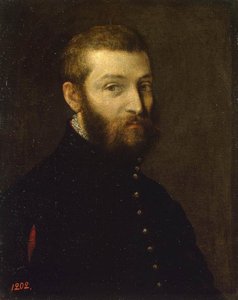
1528 - 1588 , Włochy

Explore the breathtaking mastery of the Venetian Renaissance. Discover how legends like Titian revolutionized art through Colorito, capturing the luminous light and vibrant pigments of the Venetian lagoon in a visual journey of unparalleled color and texture.


Bądź na bieżąco z najnowszymi wiadomościami ze świata sztuki, ekskluzywnymi ofertami i inspiracjami dekoratorskimi.
Opowiedz nam o swoim projekcie, a nasi eksperci przygotują dla Ciebie 3 spersonalizowane propozycje dzieł sztuki.
Przygotujemy dla Ciebie 3 propozycje zupełnie za darmo!


 Podgląd w skali
 Wyślij jako kartkę
 Udostępnij
 Szczegóły dzieła

 Pobierz
 Podobne obiekty
 RTG
RTG Pokaz slajdów
 Rozwiń treść







 Opcja ze szkłem jest dostępna wyłącznie w rozmiarach poniżej 110 cm


