Sprzedawaj swoją sztukę
x
Podgląd w skaliPodgląd w skali Podgląd ARPodgląd AR Zamów wydruk Zamów wydrukKup obraz wysokiej rozdzielczości Kup obraz wysokiej rozdzielczości Wyślij jako kartkęWyślij jako kartkę
Szczegóły dziełaSzczegóły dzieła Dodaj do ulubionych Dodaj do ulubionych PobierzPobierz Podobne obiektyPodobne obiekty RTGRTG Pokaz slajdówPokaz slajdów

Camel - Katsushika Hokusai

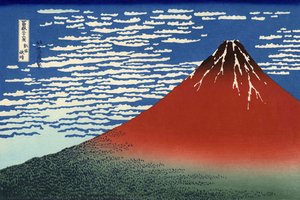
Admire Katsushika Hokusai’s ‘Camel,’ uchwycony spokojną wiosenną scenerię i majestatyczną górę Fuji. Eksploruj tę ikonową sztukę japońską w BuyPopArt.com!

Katsushika Hokusai (1760-1849) – mistrz japońskiego ukiyo-e, sławny dzięki "Wysolonej Falze". Jego prace inspirowały Van Gogha i Moneta. Odkryj jego legendę!

Ręcznie malowana reprodukcja olejowa

Ręcznie malowany obraz olejny na płótnie, wykonany na zamówienie przez naszych artystów w wybranym przez Ciebie wymiarze i oprawie. (Zamów wydruk Zamów wydrukKup obraz wysokiej rozdzielczości Kup obraz wysokiej rozdzielczości)

P118B $10
P118H $10
P118W $10
P438Z $10
P508JH $12
P508YH $12
P805H $10
P805Z $10
P919BZ $10
P919G $10
P919XJ $10
P959ZH $10
P968JZ $12
W106C $8
W218G $10
W218JH $8
W218Y $10
W307PJ $10
W316G $10
W316PJ $8
W316Y $10
W398PJ $8
W4111J $10
W500HY $15
W500JH $15
W692G $12
W849H $8
W940BG $15
W953PJ $8

Standard
custom
CM
INCH

Wybierz spośród naszych standardowych rozmiarów, które zachowują oryginalne proporcje dzieła sztuki.

szerokość
wysokość

Możesz wprowadzić własne wymiary, aby dopasować obraz do konkretnej ramy lub przestrzeni. Jeśli wybrany rozmiar nie będzie odpowiadał proporcjom oryginału, przytniecie dzieło sztuki lub rozszerzymy je o dodatkowe elementy, ręcznie domalowane przez artystę. Przed rozpoczęciem produkcji wyślemy projekt cyfrowy do Twojej akceptacji.
Należy pamiętać, że podgląd na ekranie nie odzwierciedla rzeczywistego przycinania ani rozszerzania obrazu. Tylko projekt dokładnie pokaże ostateczną kompozycję.
Choć oferujemy możliwość zamówienia niestandardowych rozmiarów, zalecamy wybór wymiaru z gotowej listy, aby zachować oryginalne proporcje dzieła.

Przykłady możliwych zmian: Zamień twarz na zdjęcie klienta; Dodaj zwierzę domowe (np. zamień kota na psa); Ukryj wiadomość w tle; Zmień krajobraz lub elementy tła.
Po złożeniu zamówienia zespół BuyPopArt.com skontaktuje się z klientem drogą mailową w celu uzyskania instrukcji i prześle wizualizację projektu

Dostawa na całym świecie () w ciągu 3–4 tygodni zamiast standardowych 5 tygodni. (13 Sierpień). Bez kompromisów w kwestii jakości.

why_choose_icon
Bezpłatna ekspresowa wysyłka na cały świat
why_choose_icon
Wysokiej jakości płótno lniane
why_choose_icon
Pełne ubezpieczenie przesyłki
why_choose_icon
Gwarancja zwrotu należności celnych i podatków importowych
why_choose_icon
Gwarancja wiernego odwzorowania kolorów
why_choose_icon
Polityka 60-dniowego zwrotu (tylko w przypadku wad)
why_choose_icon
Gwarancja 100% zwrotu kosztów
why_choose_icon
Zniżka przy zamówieniu wielu produktów

Suma całkowita

$ 288

reproduction

Camel - Katsushika Hokusai

Technika reprodukcji

Wymiary reprodukcji

-

Cena całkowita

$ 288

Szybki podgląd

  • Influences: Chinese landscape painting
  • Artist: Katsushika Hokusai
  • Subject or theme: Village setting
  • Notable elements or techniques: Bold lines, dynamic compositions
  • Title: Camel
  • Year: 1760-1849

Quiz o sztuce

Do każdego pytania dotyczy tylko jedna poprawna odpowiedź.

Pytanie 1:
What is the artistic movement primarily associated with Katsushika Hokusai?
Pytanie 2:
The painting depicts a scene featuring what prominent element?
Pytanie 3:
Which technique is most characteristic of Hokusai's style as exemplified in this artwork?
Pytanie 4:
What does the image description suggest about the atmosphere of the depicted village setting?
Pytanie 5:
The painting's composition utilizes bold lines to convey what overarching impression?

Opis dzieła

Camel - Katsushika Hokusai: A Symphony of Line and Tranquility

Katsushika Hokusai’s *Camel*, nestled within the celebrated *Thirty-Six Views of Mount Fuji* series, transcends mere representation; it embodies the very essence of Edo Japan—a period characterized by meticulous observation of nature and a profound appreciation for understated beauty. Completed during the mid-1830s, amidst the momentous arrival of Commodore Perry and the burgeoning influence of Western artistic sensibilities, this print stands as an indelible testament to Hokusai’s unwavering devotion to capturing fleeting moments of splendor with unparalleled precision. Unlike many artists of his era who pursued grand narratives or dramatic panoramas, Hokusai focused on distilling Fuji—not its imposing grandeur but rather its serene presence viewed from the humble vantage point of a rural village—into a single, arresting image.
  • Style: Ukiyo-e – This artistic movement prioritized woodblock printing and watercolor techniques to reproduce scenes from daily life, folklore, and landscapes with remarkable vibrancy and detail. It wasn’t merely about documenting the world; it was about conveying an emotional response to its beauty—a core principle that continues to inspire artists today.
  • Technique: Hokusai masterfully employed Prussian blue pigment—a revolutionary color imported from Europe—to achieve an astonishingly realistic depiction of Fuji's hazy summit. This daring chromatic choice wasn’t simply fashionable; it reflected a willingness to embrace new artistic innovations while steadfastly upholding his distinctive stylistic vision. The subtle gradation of blues creates a mesmerizing illusion of depth, mirroring the atmospheric conditions prevalent during Fuji’s eruptions—a testament to Hokusai’s scientific curiosity alongside his artistic prowess.
The composition itself is deceptively simple: a solitary camel stands amidst a cluster of huts and trees, bathed in soft sunlight. Yet, within this apparent stillness lies a wealth of visual information—a carefully orchestrated interplay of lines and colors designed to evoke contemplation and wonder. Bold, confident strokes delineate the contours of Mount Fuji, establishing its dominant presence against the backdrop of the village landscape. Delicate lines convey the rustling foliage and flowing water, subtly animating the scene and countering any sense of static repose. This masterful use of line—a hallmark of Ukiyo-e tradition—is not merely descriptive; it imbues the image with a palpable feeling of movement and dynamism. Symbolism: The camel itself carries significant symbolic weight within Edo culture—representing resilience, perseverance, and adaptability—virtues particularly valued during a time marked by considerable social upheaval. Its presence alongside Fuji symbolizes harmony between humanity and nature—a cornerstone of *wabi-sabi*, the Japanese aesthetic ideal that finds beauty in imperfection and transience. The hazy summit of Mount Fuji serves as a poignant reminder that even the most formidable forces are subject to change and decay—a meditation on the cyclical rhythms of existence that resonates deeply with Buddhist philosophy. Historical Context: Produced during Commodore Perry’s arrival, *Camel* marks a pivotal juncture in Japanese art history. It demonstrates Hokusai's ability to synthesize traditional techniques with influences from Western pigments—a bold step forward signaling a willingness to engage with new artistic ideas while preserving his unwavering stylistic integrity. The print exemplifies Edo Japan’s fascination with capturing natural beauty and conveying philosophical contemplation—themes that continue to captivate audiences worldwide, securing Hokusai’s legacy as one of Japan's most visionary artists.
  • Notable Influences: Chinese landscape painting traditions instilled in Hokusai a profound understanding of tonal harmony and compositional balance—principles that informed his meticulous approach to capturing Fuji’s ethereal luminescence.
  • Related Artists: Vincent van Gogh and Claude Monet, who championed Impressionistic principles—embracing fleeting impressions of light and color—share a stylistic kinship with Hokusai that underscores the enduring influence of Ukiyo-e on Western art.
A reproduction of *Camel* offers more than just visual splendor; it invites introspection—encouraging viewers to contemplate themes of resilience, harmony, and acceptance—qualities that encapsulate the timeless spirit of Japanese art and philosophy. Its understated elegance and masterful execution solidify Hokusai’s position as a true luminary of his era, ensuring that *Camel* continues to inspire awe and admiration for generations to come.

O artyście

A Life Etched in Ink: The World of Katsushika Hokusai

Katsushika Hokusai, a name that resonates deeply within the world of art and inextricably linked to the iconic image of *The Great Wave off Kanagawa*, was far more than simply a printmaker. Born in Edo (modern-day Tokyo) around 1760, his life unfolded as an extraordinary journey – a relentless pursuit of artistic mastery, marked by constant evolution, shifting names, and an insatiable curiosity about the world around him. From humble beginnings as the son of a mirror maker, Hokusai’s early inclination towards art wasn't immediately nurtured; yet, he dedicated himself to honing his skills with unwavering determination, reportedly beginning to draw at the tender age of six. This profound commitment would shape a career spanning nearly nine decades, leaving behind a legacy that continues to captivate and inspire audiences globally. His father, Nakajima Ise, though not an artist by trade, recognized and perhaps fostered this nascent talent, providing a foundation upon which Hokusai built his extraordinary artistic empire. Hokusai’s early life wasn't defined by privilege, but rather by a steady climb fueled by ambition and a deep-seated passion to capture the essence of the world in all its fleeting beauty.

From Apprenticeship to Innovation: The Blossoming of a Style

Hokusai’s formal artistic training commenced at twelve when he entered the prestigious studio of Katsukawa Shunshō, a leading master of *ukiyo-e* – “pictures of the floating world.” This vibrant genre, flourishing during the Edo period, served as a mirror reflecting the diverse facets of Japanese society: actors performing in Kabuki theaters, courtesans embodying elegance and allure, sweeping landscapes capturing the beauty of nature, and glimpses into the bustling urban culture of Edo. Under Shunshō’s tutelage, Hokusai immersed himself in the intricate techniques of woodblock printing – a demanding process requiring exceptional precision, artistic skill, and an understanding of color theory. However, even within this established framework, Hokusai demonstrated a restless spirit, a desire to transcend mere replication and explore new avenues of expression. From his earliest works, there was evidence of this innate drive—experimentation with different subjects, including book illustrations and single-sheet prints, all meticulously crafted to refine his unique visual language. This period also witnessed the emergence of numerous name changes – a practice common among *ukiyo-e* artists, signifying periods of artistic evolution or affiliations with various schools. Initially, he focused on illustrating books, providing him with invaluable experience in composition and detail, but it was his transition towards single-sheet prints that truly unleashed his creative potential.

Mount Fuji and the Floating World: Defining Masterpieces

Hokusai’s artistic output was astonishingly prolific—tens of thousands of woodblock prints, paintings, and illustrated books bear his signature. While he explored a vast array of subjects, it was his series *Thirty-Six Views of Mount Fuji* (circa 1831) that cemented his enduring fame. This monumental collection wasn’t simply a depiction of a landscape; it was a profound exploration of perspective, composition, and the raw power of nature. The central image, *The Great Wave off Kanagawa*, embodies both the breathtaking beauty and terrifying force of the sea—a towering wave poised to engulf tiny fishing boats, a scene that has become one of the most recognizable images in art history. Beyond *Fuji*, works such as *Fireworks at Ryōgoku Bridge* (1790) showcased his remarkable ability to capture dynamic scenes of daily life with an incredible sense of energy and detail. His *Hokusai Manga* – a collection of sketches and studies encompassing people, animals, landscapes, and fantastical creatures—represented a groundbreaking departure from traditional art forms, foreshadowing the development of modern manga as an artistic medium. These works weren’t isolated achievements; they were integral components of a continuous artistic journey, each building upon the last to create a body of work that is both deeply rooted in Japanese tradition and remarkably innovative.

The Influence of Europe and the Pursuit of Perfection

As Japan began to open its doors to Western influences in the late 19th century, Hokusai’s work gained international recognition. European artists, particularly Impressionists like Claude Monet and Vincent van Gogh, were profoundly moved by his bold compositions, vibrant colors, and unconventional perspectives. Van Gogh, in particular, was deeply inspired by *The Great Wave*, creating a series of paintings that directly referenced the original woodblock print. Hokusai’s influence extended beyond mere imitation; it permeated various modern art movements, shaping the way artists approached composition, color palettes, and subject matter. His emphasis on capturing fleeting moments, his masterful use of line, and his ability to find beauty in the ordinary resonated with a generation seeking new forms of artistic expression. Furthermore, Hokusai’s relentless pursuit of perfection—a characteristic that fueled much of his prolific output—became increasingly evident as he aged. He famously declared, “At 60, I will paint like a child; at 70, like a fool; and at 80, like a madman.” This philosophy drove him to continually experiment with new techniques and styles throughout his extraordinarily long career.

A Legacy of Innovation: Hokusai’s Enduring Impact

Katsushika Hokusai's legacy extends far beyond the confines of Japan. His work continues to be studied, admired, and reproduced worldwide, a testament to his artistic genius and enduring influence. He remains one of the most important figures in Japanese art history, and his innovative approach to *ukiyo-e* fundamentally shaped the genre’s development. His ability to seamlessly blend traditional techniques with contemporary sensibilities, coupled with his profound understanding of human nature and the natural world, ensures that Hokusai's work will continue to captivate audiences for generations to come. His life serves as an inspiring example of dedication, creativity, and a relentless pursuit of artistic excellence.
  • Major Influences: Ukiyo-e traditions, Chinese landscape painting, everyday life in Edo.
  • Key Characteristics: Bold lines, vibrant colors, dynamic compositions, keen observation of nature.
Hokusai Katsushika

Hokusai Katsushika

1760 - 1849 , Japonia

Krótka nota

  • Artistic Movement Or Style: Ukiyo-e
  • Artists Or Movements Influenced By This Artist:
    • Impresjonizm
    • Van Gogh
  • Artists Who Influenced This Artist:
    • Malbańscy
    • Japońskie krajobrazy
  • Date Of Birth: 31 października 1760
  • Date Of Death: 10 maja 1849
  • Full Name: Katsushika Hokusai
  • Nationality: Japoński
  • Notable Artworks:
    • Wysoka fala
    • Trzydzieści sześć widoków na górę Fudżi
    • Hokusai Manga
  • Place Of Birth: Tokio, Japonia
Odkryj dzieła sztuki uporządkowane według tematów, stylów i cech charakterystycznych.