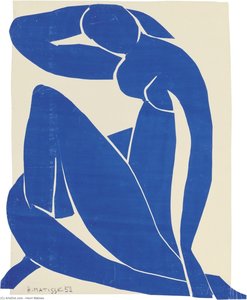
Akryl na płótnieSztuka ściennaFauvist Expressionism
 Nowoczesność
 296.0 x 154.0 cm
Ręcznie malowany obraz olejny na płótnie, wykonany na zamówienie przez naszych artystów w wybranym przez Ciebie wymiarze i oprawie. ( Kup wydruk Kup obraz cyfrowy)
Wybierz spośród naszych standardowych rozmiarów, które zachowują oryginalne proporcje dzieła sztuki.

Możesz wprowadzić własne wymiary, aby dopasować obraz do konkretnej ramy lub przestrzeni. Jeśli wybrany rozmiar nie będzie odpowiadał proporcjom oryginału, przytniecie dzieło sztuki lub rozszerzymy je o dodatkowe elementy, ręcznie domalowane przez artystę. Przed rozpoczęciem produkcji wyślemy projekt cyfrowy do Twojej akceptacji.
Należy pamiętać, że podgląd na ekranie nie odzwierciedla rzeczywistego przycinania ani rozszerzania obrazu. Tylko projekt dokładnie pokaże ostateczną kompozycję.
Choć oferujemy możliwość zamówienia niestandardowych rozmiarów, zalecamy wybór wymiaru z gotowej listy, aby zachować oryginalne proporcje dzieła.
Dostawa na całym świecie () w ciągu 3–4 tygodni zamiast standardowych 5 tygodni. (13 Sierpień). Bez kompromisów w kwestii jakości.


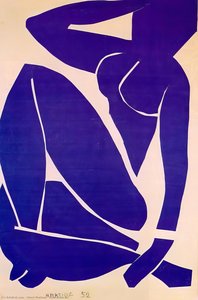
Les bêtes de la mer Gouache découpée wtngoa
Wymiary reprodukcji
“Les Bêtes de la Mer Gouache Découpée” by Henri Matisse represents the culmination of his artistic journey, a bold declaration of color and form that cemented his place as one of the foremost innovators of 20th-century art. Executed around 1950, this monumental canvas—measuring 296 x 154 cm—is housed in the Baltimore Museum of Art and offers viewers an unparalleled glimpse into Matisse’s final vision: a deliberate rejection of representational accuracy in favor of pure expressive color.
The Artist's Legacy: Henri Émile Benoît Matisse
Henri Matisse (1869-1954) transcended the boundaries of painting, sculpting, printmaking, and draughtsmanship—a true polymath who relentlessly pursued artistic experimentation throughout his prolific life. Born in Le Cateau-Cambrésis, France, his formative years were shaped by a mother’s unwavering belief in his talent and the provision of art supplies during his convalescence following an appendicitis operation. Initially influenced by masters like Jean-Baptiste-Siméon Chardin and Nicolas Poussin—artists celebrated for their meticulous realism—Matisse honed his skills in classical draughtsmanship before embracing the revolutionary spirit of Fauvism.
His encounter with John Russell on Belle Île proved pivotal, introducing him to Impressionism and sparking an enduring fascination with Vincent van Gogh’s expressive brushstrokes. This formative influence profoundly impacted Matisse's artistic sensibilities, shaping his approach to color and texture.
“Les Bêtes de la Mer” exemplifies Matisse’s groundbreaking technique—gouache découpée—a method he developed in his later years. This innovative process involved meticulously cutting shapes from paper, arranging them onto the canvas to create a complex composition. The resulting artwork is characterized by vibrant color palettes and striking textural contrasts. Matisse's masterful manipulation of gouache—a pigment mixed with binder and applied thinly—allowed him to achieve luminous hues and layered effects that defied conventional painting methods.
The technique itself speaks volumes about Matisse’s desire to liberate art from the constraints of illusionism, prioritizing visual impact over literal depiction. It's a testament to his genius that he transformed this seemingly simple method into an instrument for conveying profound emotional resonance.
Fauvism emerged in France during the early years of the 20th century as a reaction against Impressionism’s subtle gradations of color. Matisse, along with André Derain and Maurice Denis, spearheaded this movement, rejecting academic conventions and embracing bold, arbitrary colors—often jarring juxtapositions—to express emotion directly.
“Les Bêtes de la Mer” embodies the Fauvist ethos perfectly. The audacious use of crimson, lemon yellow, turquoise, and violet isn’t intended to accurately represent the sea; rather, it aims to evoke a feeling of dynamism, energy, and primal beauty—a celebration of color as an independent expressive force.
While seemingly abstract, “Les Bêtes de la Mer” is imbued with symbolic significance. The stylized depiction of marine creatures—fish, seaweed, and coral—represents the untamed power of nature and invites contemplation on themes of vitality and transformation. Matisse’s masterful composition draws the eye upward, creating a sense of movement and suggesting an infinite expanse.
Ultimately, “Les Bêtes de la Mer” transcends mere visual representation; it communicates a profound emotional state—a joyous affirmation of life and color—that continues to captivate viewers today. It stands as a timeless masterpiece, demonstrating the enduring power of art to inspire awe and provoke contemplation.
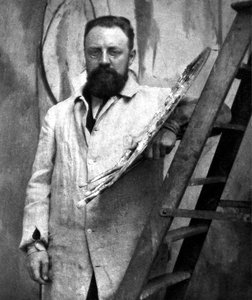
1869 - 1954 , Francja

Explore the vibrant world of Fauvism with our expert guide. Discover how masters like Henri Matisse revolutionized art through bold colors and expressive strokes, defining a movement that continues to inspire collectors and art enthusiasts worldwide.


Bądź na bieżąco z najnowszymi wiadomościami ze świata sztuki, ekskluzywnymi ofertami i inspiracjami dekoratorskimi.
Opowiedz nam o swoim projekcie, a nasi eksperci przygotują dla Ciebie 3 spersonalizowane propozycje dzieł sztuki.
Przygotujemy dla Ciebie 3 propozycje zupełnie za darmo!


 Podgląd w skali
 Wyślij jako kartkę
 Udostępnij
 Szczegóły dzieła

 Pobierz
 Podobne obiekty
 RTG
RTG Pokaz slajdów
 Rozwiń treść




































 Opcja ze szkłem jest dostępna wyłącznie w rozmiarach poniżej 110 cm