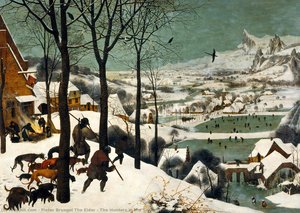
Farba olejna na płycieNorthern Renaissance
 1562Renesans
 162.0 x 117.0 cm
 Królewski Muzeum Sztuk Pięknych w Belgii
Ręcznie malowany obraz olejny na płótnie, wykonany na zamówienie przez naszych artystów w wybranym przez Ciebie wymiarze i oprawie. ( Zamów wydruk Przełącz na obraz)





























Wybierz spośród naszych standardowych rozmiarów, które zachowują oryginalne proporcje dzieła sztuki.

Możesz wprowadzić własne wymiary, aby dopasować obraz do konkretnej ramy lub przestrzeni. Jeśli wybrany rozmiar nie będzie odpowiadał proporcjom oryginału, przytniecie dzieło sztuki lub rozszerzymy je o dodatkowe elementy, ręcznie domalowane przez artystę. Przed rozpoczęciem produkcji wyślemy projekt cyfrowy do Twojej akceptacji.
Należy pamiętać, że podgląd na ekranie nie odzwierciedla rzeczywistego przycinania ani rozszerzania obrazu. Tylko projekt dokładnie pokaże ostateczną kompozycję.
Choć oferujemy możliwość zamówienia niestandardowych rozmiarów, zalecamy wybór wymiaru z gotowej listy, aby zachować oryginalne proporcje dzieła.
Dostawa na całym świecie () w ciągu 3–4 tygodni zamiast standardowych 5 tygodni. (8 Sierpień). Bez kompromisów w kwestii jakości.


Pieter Brueghel: Żółty Dom
Wymiary reprodukcji
Pieter Bruegel the Elder’s “The Fall of the Rebel Angels” stands as an unparalleled achievement in Northern Renaissance art, a monumental oil painting that vividly portrays the biblical narrative recounted in Revelation – the expulsion of Lucifer and his rebellious angels from Heaven. Created around 1562, this artwork transcends mere depiction; it's a profound exploration of theological themes interwoven with masterful observation and imaginative rendering. Bruegel’s genius lies not only in capturing a dramatic moment of cosmic conflict but also in conveying complex ideas about pride, rebellion, divine justice, and the enduring battle between good and evil.
The painting’s composition is immediately arresting: a vast landscape divided into two distinct realms – a luminous upper section representing Paradise bathed in celestial light and an infernal lower portion dominated by darkness and populated by grotesque figures. This duality underscores Bruegel's central concern—the confrontation between God’s righteous authority and Lucifer’s defiant challenge to divine order. The scene unfolds with breathtaking dynamism, as angelic warriors engage in a furious battle against demonic hordes, creating a palpable sense of urgency and terror.
Bruegel’s stylistic approach diverges significantly from the prevailing Italian artistic trends of his time, embracing instead the expressive realism championed by masters like Hieronymus Bosch. He eschews idealized beauty, favoring instead meticulous detail and unsettling grotesqueries—a hallmark of Northern Renaissance art. The artist's technique is remarkable for its ability to convey texture and depth; Bruegel employs oil paint with unparalleled skill, layering pigments to achieve subtle gradations of light and shadow that heighten the dramatic intensity of the scene. Notice particularly the rendering of textures – from the shimmering gold armor of St Michael to the rough, uneven surfaces of the fallen angels—a testament to Brueghel’s dedication to capturing the materiality of his subjects.
The artwork's historical context is inextricably linked to the turbulent religious landscape of sixteenth-century Europe. Amidst simmering tensions between Protestant and Catholic factions, Bruegel confronts theological anxieties with unflinching honesty. Influenced by humanist thought—which emphasized observation and rational inquiry—he seeks to represent the world as it truly appears, albeit filtered through a lens of moral contemplation. The inclusion of seemingly random elements – such as mussel shells grafted onto shrimp or human heads adorned with butterfly wings – adds to the painting’s dreamlike quality, inviting viewers to ponder fundamental questions about existence and morality.
“The Fall of the Rebel Angels” exerts a powerful emotional impact on anyone who encounters it. The chaotic composition, coupled with Bruegel's masterful use of color and light, evokes feelings of awe mingled with apprehension. Despite its depiction of violence, there’s an underlying beauty—a profound engagement with form and color—that elevates the painting beyond mere visual spectacle. It remains one of Bruegel’s most celebrated works, admired for its technical brilliance, imaginative power, and enduring relevance as a symbol of spiritual struggle.
Size: 162 x 117 cm
Date: 1562
Location: Royal Museums of Fine Arts of Belgium, Brussels
1525 - 1569 , Belgia

Explore the captivating history of angels in painting! Discover symbolism, iconic Renaissance & Byzantine masterpieces, and renowned artists. Expert insights for art lovers & collectors at BuyPopArt.

Odkryj fascynującą historię aniołów w sztuce! Analizujemy ewolucję ikonografii, symbolikę i emocjonalny wpływ anielskich reprezentacji od starożytności po współczesność. Ekspercka analiza dla miłośników sztuki.

Explore the profound beauty of angelic figures in art history. From Renaissance masterpieces to celestial symbolism, our expert guide offers a sophisticated journey through the divine imagery of the Old Masters for discerning collectors and art enthusiasts.

Explore the life & art of Pieter Bruegel the Elder, a pivotal figure of the Renaissance. Discover his groundbreaking genre scenes, symbolic landscapes, and lasting influence on art history. Learn more at BuyPopArt.

Explore the dramatic brilliance of the Flemish Baroque movement. Discover how masters like Peter Paul Rubens utilized chiaroscuro and dynamic composition to redefine art history through light, shadow, and unparalleled emotion.


Bądź na bieżąco z najnowszymi wiadomościami ze świata sztuki, ekskluzywnymi ofertami i inspiracjami dekoratorskimi.
Opowiedz nam o swoim projekcie, a nasi eksperci przygotują dla Ciebie 3 spersonalizowane propozycje dzieł sztuki.
Przygotujemy dla Ciebie 3 propozycje zupełnie za darmo!


 Wyślij jako kartkę
 Udostępnij
 Szczegóły dzieła

 Pobierz
 Podobne obiekty
 Pokaz slajdów
 Rozwiń treść







 Opcja ze szkłem jest dostępna wyłącznie w rozmiarach poniżej 110 cm