

 Akryl na płótnieSztuka ściennaRenaissance Classicism
 1490
1490 32.0 x 32.0 cm
 Museo Nazionale del Bargello
Ręcznie malowany obraz olejny na płótnie, wykonany na zamówienie przez naszych artystów w wybranym przez Ciebie wymiarze i oprawie. ( Przełącz na wydruk Przełącz na obraz)





























Wybierz spośród naszych standardowych rozmiarów, które zachowują oryginalne proporcje dzieła sztuki.

Możesz wprowadzić własne wymiary, aby dopasować obraz do konkretnej ramy lub przestrzeni. Jeśli wybrany rozmiar nie będzie odpowiadał proporcjom oryginału, przytniecie dzieło sztuki lub rozszerzymy je o dodatkowe elementy, ręcznie domalowane przez artystę. Przed rozpoczęciem produkcji wyślemy projekt cyfrowy do Twojej akceptacji.
Należy pamiętać, że podgląd na ekranie nie odzwierciedla rzeczywistego przycinania ani rozszerzania obrazu. Tylko projekt dokładnie pokaże ostateczną kompozycję.
Choć oferujemy możliwość zamówienia niestandardowych rozmiarów, zalecamy wybór wymiaru z gotowej listy, aby zachować oryginalne proporcje dzieła.
Dostawa na całym świecie () w ciągu 3–4 tygodni zamiast standardowych 5 tygodni. (6 Sierpień). Bez kompromisów w kwestii jakości.


Herkules i Hydra Lernaea
Rozmiar reprodukcji
In the vibrant, intellectual atmosphere of the Italian Renaissance, few names evoke the serene majesty of antiquity as poignantly as Pier Jacopo Alari Bonacolsi. Known to history by his evocative moniker, l’Antico—the Ancient One—this master sculptor dedicated his life to a singular, noble pursuit: the resurrection of the classical spirit through the medium of bronze and marble. Born around 1460 in the quiet town of Gazzuolo, Lombardy, Bonacolsi emerged from a period where the shadows of the Middle Ages were retreating, making way for a profound humanist rebirth. His very identity was inextricably linked to the Roman past, as he sought to bridge the gap between the forgotten grandeur of ancient empires and the burgeoning brilliance of the Renaissance.
While the biographical records of his early years remain somewhat shrouded in the mists of time, the trajectory of his artistic soul is clearly traced through his stylistic evolution. His formative training is believed to have been shaped by a deep connection to the Florentine tradition, specifically through associations that emphasized anatomical precision and the revolutionary approach to the human form pioneered by masters like Michelangelo. This exposure allowed him to move beyond mere imitation, fostering a technique where every muscle, every fold of drapery, and every subtle expression served a higher purpose: the embodiment of all’antica—the style of the ancients.
The essence of Bonacolsi’s work lies in its profound devotion to Roman sculptural traditions. Unlike many of his contemporaries who drifted toward the theatrical distortions of Mannerism, l’Antico remained anchored in a pursuit of balance, proportion, and nobility. His workshop became a sanctuary for the study of classical antiquity, where he meticulously analyzed the musculature and serene countenances of unearthed Roman statues to replicate their timeless dignity. This dedication is most vibrantly realized in his bronze works, which often feature exquisite silver-inlaid details that catch the light, lending a lifelike vitality to his subjects.
His repertoire of subjects reflects the humanist obsession with mythology and the heroic ideal. Through his hands, legendary figures were breathed into life once more:
The historical significance of Pier Jacopo Alari Bonacolsi extends far beyond the physical objects he left behind. He served as a vital conduit through which the aesthetic values of ancient Greece and Rome were transmitted to the Renaissance world. By prioritizing anatomical accuracy and an idealized serenity, he helped define a visual language that celebrated the inherent dignity of human existence. His work stands as a testament to a period when art was not merely decoration, but a profound philosophical inquiry into the nature of beauty and the continuity of civilization.
Though his life ended in 1528, the legacy of l’Antico remains etched in the bronze and marble of his masterpieces. He remains a pivotal figure for any student of the Renaissance, representing that rare moment in history when the artist became an archaeologist of the soul, unearthing the classical past to illuminate the brilliance of the present. His ability to marry the rugged strength of mythological combat with the refined elegance of Roman portraiture ensures his place as one of the most distinctive voices of the Italian Renaissance.

1460 - 1528 , Italy
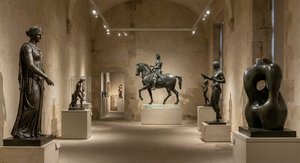
Odkryj 10 legendarnych rzeźb brązowych od Rodina, Degasa i innych mistrzów! Poznaj historię powstania arcydzieł sztuki i inspiruj się do dekoracji wnętrz. Reprodukcje najwyższej jakości na BuyPopArt.com – zobacz kolekcję!

Poznaj fascynującą historię rzeźby od antyku do renesansu! Odkryj techniki, wybitnych artystów i wpływ na współczesną sztukę. Ekspercka analiza dla kolekcjonerów i miłośników.

Odkryj 10 legendarnych rzeźb brązowych, które zrewolucjonizowały sztukę! Poznaj historie Rodina, Donatello i innych mistrzów. Inspiracje wnętrzarskie & reprodukcje najwyższej jakości na BuyPopArt.com.

Odkryj 10 arcydzieł renesansu wczesnego! Poznaj historie Leonarda da Vinci, Michała Anioła i Botticellego. Reprodukcje obrazów najwyższej jakości – inspiracje dla Twojego wnętrza na BuyPopArt.com.

Poznaj 10 renesansowych arcydzieł Leonarda da Vinci, Michała Anioła i Rafaela! Odkryj historie, techniki i wpływ malarstwa renesansowego na sztukę. Reprodukcje obrazów najwyższej jakości – BuyPopArt.com


Bądź na bieżąco z najnowszymi wiadomościami ze świata sztuki, ekskluzywnymi ofertami i inspiracjami dekoratorskimi.
Opowiedz nam o swoim projekcie, a nasi eksperci przygotują dla Ciebie 3 spersonalizowane propozycje dzieł sztuki.
Pozwól nam przygotować 3 propozycje specjalnie dla Ciebie – za darmo!


 Podgląd w skali
 Wyślij
 Udostępnij
 Szczegóły

 Pobierz plik obrazu
 Podobne obiekty
 RTG
RTG Pokaz slajdów
 Czytaj więcej







 Opcja ze szkłem jest dostępna wyłącznie w rozmiarach poniżej 110 cm


