
x

 Óleo sobre telaArte de ParedeExpressionism
 1948Modernismo
 116.0 x 89.0 cm
Óleo sobre tela pintado à mão no tamanho e moldura de sua escolha, feito sob encomenda pelos nossos artistas. ( Comprar impressão Comprar imagem)





























Escolha entre os nossos tamanhos pré-definidos que respeitam as proporções originais da obra de arte.

Pode inserir as suas próprias dimensões para se adequar a uma moldura ou espaço específico. Se o tamanho selecionado não corresponder às proporções da imagem original, iremos cortar a obra de arte ou estender a pintura com elementos adicionais pintados à mão. Um esboço digital será enviado para sua aprovação antes do início da produção.
Tenha em atenção que a pré-visualização no ecrã não reflete o corte ou extensão real. Apenas o esboço mostrará com precisão a composição final.
Embora tamanhos personalizados estejam disponíveis, recomendamos selecionar uma dimensão da lista predefinida para preservar as proporções originais.
Entrega mundial () em 3 a 4 semanas, em vez das 5 semanas padrão. (25 Agosto). Sem comprometer a qualidade.


Interior with Egyptian Curtain
Tamanho da Reprodução
Henri Matisse's "Interior with Egyptian Curtain," painted in 1948, isn’t merely a depiction of a room; it’s an immersion into a carefully constructed world of color, light, and subtly layered symbolism. This captivating work, measuring 116 x 89 cm in oil on canvas, exemplifies the culmination of Matisse's lifelong exploration of form, emotion, and the transformative power of visual language. Moving beyond the constraints of traditional representation, he crafts a space that feels both familiar and utterly dreamlike, inviting the viewer into an intimate dialogue with its vibrant elements.
The painting immediately draws attention to the window—a recurring motif in Matisse’s oeuvre—which acts as a portal to an imagined landscape. Beyond this frame unfolds a scene of Mediterranean warmth: a palm tree ablaze with color, suggesting both vitality and a hint of drama. Within the room itself, a table becomes the focal point, adorned with a still life of oranges – symbols of abundance, joy, and the fleeting beauty of summer. These fruits aren’t rendered realistically; instead, they are simplified into bold shapes and vibrant hues, contributing to the painting's overall sense of abstraction. A bowl overflowing with more oranges echoes this principle, reinforcing the theme of visual delight and the celebration of simple pleasures.
Adding a layer of cultural intrigue is the Egyptian curtain itself – a rich appliqué textile that introduces an element of exoticism and historical reference. This deliberate inclusion speaks to Matisse’s lifelong fascination with global art traditions and his desire to synthesize diverse influences into a unified artistic vision. The curtain isn't just a decorative element; it acts as a visual anchor, grounding the scene while simultaneously hinting at distant lands and untold stories. The careful placement of the bird within the composition further enhances this sense of natural harmony and lively atmosphere, suggesting a connection between the interior space and the wider world.
While firmly rooted in Matisse's earlier Fauvist period – characterized by bold, non-naturalistic colors – “Interior with Egyptian Curtain” leans more heavily into Expressionism. This shift is evident in the artist’s deliberate use of color to convey emotion and inner experience rather than simply mimicking reality. The vibrant reds, yellows, and blues aren’t applied with a purely decorative intent; they pulsate with energy and imbue the scene with a palpable sense of warmth and optimism. Matisse's brushstrokes are loose and expressive, contributing to the painting’s dynamic quality and suggesting a process of spontaneous creation.
The simplification of forms—the reduction of objects to their essential shapes—is another key characteristic of this period in Matisse’s work. This technique, combined with his masterful use of color, creates a sense of visual harmony and balance while simultaneously conveying a powerful emotional impact. The painting's overall effect is one of joyful exuberance, reflecting Matisse’s own spirit and his belief in the transformative power of art.
Beyond its purely aesthetic qualities, “Interior with Egyptian Curtain” is rich in symbolic meaning. The window itself represents a gateway to possibility, inviting contemplation and escape. The oranges, universally associated with warmth, prosperity, and vitality, are presented not as objects of utility but as emblems of joy and abundance. The Egyptian curtain, a deliberate nod to Matisse’s interest in global artistic traditions – particularly the influence of ancient cultures on European art – adds an element of mystery and intrigue. It suggests a connection to distant lands and forgotten histories, enriching the painting's narrative depth.
Furthermore, the composition—the careful arrangement of objects within the space—creates a sense of balance and harmony, reflecting Matisse’s belief in the power of order and beauty. The interplay of light and shadow further enhances this effect, adding to the painting’s overall sense of visual delight. This is not simply a still life; it's an orchestrated symphony of color, form, and symbolism.
"Interior with Egyptian Curtain" stands within a rich artistic lineage, echoing themes explored by artists like Chardin and Pissarro while simultaneously forging its own unique path. The influence of Japanese prints—particularly their emphasis on flattened perspective and decorative patterns—is subtly present in the painting’s composition. Furthermore, Matisse's work shares intriguing parallels with Mihai Olos’ “Curtain,” a contemporary conceptual piece that similarly investigates the symbolic potential of this fundamental architectural element.
The painting resides within the University of Iowa Museum of Art’s impressive collection of modern and contemporary art, alongside works by Henri Matisse himself and other prominent artists. This placement underscores the enduring significance of Matisse's contributions to the history of art and his continued relevance in the 21st century. It also invites viewers to consider Matisse’s work within a broader context—a global conversation about artistic expression and cultural exchange.
To deepen your appreciation for Henri Matisse's "Interior with Egyptian Curtain," we encourage you to explore related works in his oeuvre, such as “Plum Blossoms, Green Background” – a similarly vibrant exploration of color and form. Furthermore, delving into the world of Art Deco—a movement that shared Matisse’s fascination with decorative patterns and geometric abstraction—offers valuable insights into the broader artistic landscape of the early 20th century. You might also find inspiration in the work of other Expressionist painters like Edvard Munch and Wassily Kandinsky.
For a high-quality reproduction of “Interior with Egyptian Curtain,” please visit BuyPopArt.com. And for further exploration, consider visiting The University of Iowa Museum of Art: The University of Iowa Museum of Art (United States).
movement: Expressionism topics: Interior, Curtain, Orange, Bird, Egypt, Window, Color, Matisse creative_period: Mature Period corpus_context: Fauvist Color Palette, Cultural Exoticism, Egyptian Motif”, “Interior Space”, “Expressionist Emotion”, “Matisse’s Window Series”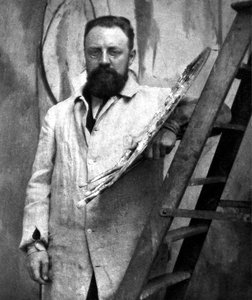
1869 - 1954 , França

Explore the vibrant world of Fauvism with our expert guide. Discover how masters like Henri Matisse revolutionized art through bold colors and expressive strokes, defining a movement that continues to inspire collectors and art enthusiasts worldwide.


Fique por dentro das últimas notícias de arte, ofertas exclusivas e ideias de decoração.
Conte-nos sobre o seu projeto e os nossos especialistas em arte fornecerão 3 sugestões de arte personalizadas.
Deixe que selecionamos 3 opções especialmente para você – Grátis!


 Visualizar na parede
 Compartilhar
 Compartilhar
 Detalhes

 Baixar imagem
 Semelhantes
 Raio X
 Slideshow
 Ler mais







 A opção de vidro está disponível apenas para tamanhos inferiores a 110 cm


