Visualizar em escalaVisualizar em escala Visualizar em RAVisualizar em RA Ver impressão do pedido Ver impressão do pedidoBaixar imagem em alta resolução Baixar imagem em alta resolução EnviarEnviar
Ver detalhesVer detalhes Adicionar aos favoritos Adicionar aos favoritos BaixarBaixar SemelhantesSemelhantes Raio XRaio X Apresentação de slidesApresentação de slides

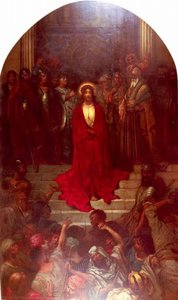
O Beijo de Judas

Explore o drama bíblico da traição de Cristo em 'O Beijo de Judas', uma obra-prima de Gustave Doré que captura a intensidade emocional e o simbolismo profundo do Romanticismo. Uma análise detalhada!

Explore as dramáticas gravuras e ilustrações de Gustave Doré (1832-1883). Mestre do Romantismo, famoso pelas cenas bíblicas, Inferno de Dante e obras literárias. Descubra sua arte influente!

Reprodução em Óleo Feita à Mão

Óleo sobre tela pintado à mão no seu tamanho e moldura, feito sob encomenda pelos nossos artistas. (Ver impressão do pedido Ver impressão do pedidoBaixar imagem em alta resolução Baixar imagem em alta resolução)

P118B $10
P118H $10
P118W $10
P438Z $10
P508JH $12
P508YH $12
P805H $10
P805Z $10
P919BZ $10
P919G $10
P919XJ $10
P959ZH $10
P968JZ $12
W106C $8
W218G $10
W218JH $8
W218Y $10
W307PJ $10
W316G $10
W316PJ $8
W316Y $10
W398PJ $8
W4111J $10
W500HY $15
W500JH $15
W692G $12
W849H $8
W940BG $15
W953PJ $8

Standard
custom
CM
INCH

Escolha entre os nossos tamanhos pré-definidos que respeitam as proporções originais da obra de arte.

largura
altura

Pode inserir as suas próprias dimensões para se adequar a uma moldura ou espaço específico. Se o tamanho selecionado não corresponder às proporções da imagem original, iremos cortar a obra de arte ou estender a pintura com elementos adicionais pintados à mão. Um esboço digital será enviado para sua aprovação antes do início da produção.
Tenha em atenção que a pré-visualização no ecrã não reflete o corte ou extensão real. Apenas o esboço mostrará com precisão a composição final.
Embora tamanhos personalizados estejam disponíveis, recomendamos selecionar uma dimensão da lista predefinida para preservar as proporções originais.

Exemplos do que pode ser personalizado: Substituir o rosto pela foto do cliente; Adicionar um animal de estimação (ex: substituir gato por cão); Incluir uma mensagem oculta no fundo; Alterar a paisagem ou elementos do fundo.
Após o pedido, a equipa BuyPopArt.com enviará um e-mail ao cliente para solicitar instruções e fornecer uma prévia do esboço.

Entrega mundial () em 3 a 4 semanas, em vez das 5 semanas padrão. (10 Agosto). Sem comprometer a qualidade.

why_choose_icon
Envio Expresso Gratuito para todo o Mundo
why_choose_icon
Tela de Linho Premium
why_choose_icon
Seguro de transporte total
why_choose_icon
Garantia de Reembolso de Impostos Alfandegários
why_choose_icon
Garantia de Fidelidade de Cor
why_choose_icon
Política de Devolução de 60 Dias (Apenas para Defeitos)
why_choose_icon
Garantia de reembolso de 100%
why_choose_icon
Desconto para múltiplas unidades

Preço Total

$ 638

reproduction

O Beijo de Judas

Técnica de Reprodução

Dimensões da Reprodução

-

Preço Total

$ 638

Detalhes Rápidos

  • Notable elements or techniques: Dramatic hatching and crosshatching; Diagonal composition
  • Movement: Romanticism
  • Subject or theme: Betrayal of Jesus Christ
  • Artist: Gustave Doré
  • Influences: Romanticism
  • Title: The Judas Kiss

Teste de Conhecimentos Artísticos

Cada pergunta possui apenas uma resposta correta.

Questão 1:
What artistic movement is Gustave Doré’s ‘The Judas Kiss’ primarily associated with?
Questão 2:
Doré utilized a technique known as engraving on paper. Describe briefly how this method works.
Questão 3:
The composition of ‘The Judas Kiss’ emphasizes dramatic tension. What compositional element contributes most to this effect?
Questão 4:
What is the symbolic significance of the kiss depicted in ‘The Judas Kiss’?
Questão 5:
Doré employed hatching and cross-hatching extensively in ‘The Judas Kiss’. What purpose does this technique serve?

Descrição da Obra

Uma Confrontação Dramática Capturada em Cinza Grafítico

Paul Gustave Doré’s “O Beijo do Judas” permanece um testemunho da fervor artística romântica, encapsulando a profunda tristeza e traição no coração da narrativa cristã. Executado com meticulosa atenção aos detalhes em cinza grafítico—uma paleta escolhida deliberadamente para aumentar o impacto emocional—esta gravura transcende simplesmente a representação; ela busca transmitir o drama psicológico que se desenrola dentro de suas bordas. Publicada em 1867 como parte de *Ilustrações para Inferno de Dante*, o trabalho de Doré consolidou sua reputação como mestre contador de histórias e intérprete visual, garantindo seu lugar entre os gigantes da ilustração victoriana.
  • Tema Narrativo: A gravura retrata o momento icônico em que Jesus Cristo é traído por Judas Iscariotes—um evento fundamental narrado nos Evangelhos que simboliza o sacrifício divino e a falibilidade humana. A visão artística de Doré captura essa tensão narrativa com honestidade implacável, buscando despertar uma reflexão profunda sobre questões existenciais.
  • Estilo e Técnica: O estilo característico de Doré é marcado por um realismo dramático infundido em sensibilidades românticas. Ele emprega hatching e cruzamento—uma técnica aperfeiçoada durante seu tempo—para esculpir variações tonais no meio grafítico, criando uma ilusão de profundidade e textura que atrai o olhar do espectador para a atmosfera opressiva da cena.
  • Composição: A composição é deliberadamente claustrofóbica, comprimindo figuras em um espaço apertado para amplificar o senso de urgência e intensidade emocional. Linhas diagonais dominam, guiando o olhar para Jesus e Judas—as figuras centrais—destacando sua confrontação e enfatizando a interação dramática entre luz e sombra.

Contexto Histórico e Influência de Dante Alighieri

As atividades artísticas de Doré estavam inextricavelmente ligadas ao seu envolvimento com *Inferno* de Dante Alighieri, um poema monumental explorando temas de pecado, sofrimento e redenção. Comissionado por John Everett Millais para este ambicioso projeto, Doré meticulosamente traduziu as descrições vívidas de Dante em representações visuais deslumbrantes—uma façanha que exigiu habilidade incomparável na gravura e narrativa. As imagens resultantes não apenas ilustravam o poema, mas também enriqueceram sua experiência estética, aprofundando seu impacto sobre públicos cativados pela imaginação victoriana.

Simbolismo e Impacto Emocional

Além de sua precisão narrativa, “O Beijo do Judas” ressoa poderosamente com simbolismo significativo. O esquema de cores monocromático em cinza enfatiza o vazio e o desespero associados à traição—uma metáfora visual para a escuridão espiritual envolvendo os últimos momentos de Cristo. Doré utiliza habilmente chiaroscuro—o contraste dramático entre luz e sombra—para iluminar o rosto angustiado de Jesus enquanto obscurece Judas em sombras, simbolizando sua corrupção moral e queda final. O efeito geral é profundamente perturbador, provocando contemplação sobre temas de fé, culpa e as consequências da transgressão.

O Processo Gravítico e Legado de Doré

A maestria de Doré não residia apenas na captura da emoção, mas também na execução de um processo gravítico extraordinariamente complexo. Ele meticulosamente esculpiu linhas em uma placa de metal—tipicamente zinco ou cobre—usando ferramentas especializadas, criando uma matriz que seria enceretada e pressionada sobre papel para produzir a imagem final. Esta tarefa meticulosa exigiu firmeza e paciência inabaláveis—qualidades que refletiam o temperamento artístico de Doré. Seu legado duradouro reside em sua capacidade de transformar narrativas literárias em experiências visuais inesquecíveis—uma façanha que continua a inspirar artistas e colecionadores ao redor do mundo.

Biografia do Artista

A Life Etched in Shadow and Light: The World of Gustave Doré

Paul Gustave Louis Christophe Doré, known to the world as Gustave Doré, was a figure who straddled the worlds of illustration, painting, and sculpture with an astonishing virtuosity. Born in Strasbourg, France, on January 6th, 1832, his life unfolded during a period of immense social and artistic change, a time when Romanticism still held sway but was giving way to new currents of realism and symbolism. Even as a child, Doré displayed a precocious talent, not merely in drawing—which he began at an incredibly young age—but also in a personality that hinted at the dramatic flair which would come to define his work. Stories abound of youthful pranks demonstrating a maturity beyond his years, foreshadowing the complex and often melancholic themes that would permeate his art. He embarked on his professional career remarkably early, at just fifteen years old, as a caricaturist for the French journal *Le Journal pour rire*, honing his skills in observation and composition within the bustling world of Parisian satire.

From Caricature to Literary Giants: The Rise of an Illustrator

Doré’s early commissions laid the foundation for his future renown. Works like *Les Travaux d'Hercule* (1847), *Trois artistes incompris et mécontents* (1851), and *Les Dés-agréments d'un voyage d'agrément* (1851) showcased a burgeoning talent for dynamic composition and a masterful use of light and shadow, even in these relatively modest beginnings. He was deeply influenced by the illustrations of J.J. Grandville, whose fantastical imagery and satirical edge resonated with Doré’s own developing style. However, it was through his collaborations with literary giants that Doré truly ascended to prominence. In 1853, he received a commission to illustrate the works of Lord Byron, an undertaking which opened doors to further prestigious projects. The monumental task of illustrating the Bible followed, a project that would cement his reputation and bring his art before a vast international audience. His illustrations for Cervantes’ *Don Quixote* in the 1860s were particularly impactful, profoundly influencing subsequent interpretations of the characters and narrative. He wasn't merely illustrating these stories; he was reimagining them, imbuing them with a dramatic intensity that captured the imagination of readers worldwide. The oversized edition of Edgar Allan Poe’s “The Raven,” completed in 1883, earned him an impressive 30,000 francs from Harper & Brothers, demonstrating the commercial success alongside the artistic acclaim he had achieved. His collaboration with Blanchard Jerrold on *London: A Pilgrimage* (1872) was a particularly poignant and controversial work, depicting the stark realities of Victorian London’s poverty and sparking debate about social conditions.

A Master of Technique: Wood Engraving and Romantic Vision

Doré's artistic prowess lay not only in his imaginative vision but also in his technical mastery, particularly in wood engraving. He possessed an extraordinary ability to create incredibly detailed and dramatic images through this medium, a skill that allowed for the mass production and widespread dissemination of his work. His compositions are characterized by their dynamism, strong contrasts between light and shadow—a technique known as chiaroscuro—and a sense of grandeur that often evokes a feeling of awe or even terror. He frequently employed a large team of block-cutters to translate his designs into wood engravings, enabling the efficient production needed to meet the demands of publishers and readers alike. His style is firmly rooted in the Romantic tradition, emphasizing emotion, imagination, and the sublime—a fascination with the overwhelming power of nature and the human condition. He wasn’t merely recording scenes; he was interpreting them through a lens of heightened emotionality and dramatic flair. This approach, while celebrated by many, also drew criticism from some contemporaries who found his work overly theatrical or sensationalized.

Notable Works and Lasting Influence

Doré's prolific output spanned a vast range of subjects and styles. His illustrations for Dante’s *Inferno* remain perhaps his most iconic achievement, capturing the terrifying visions of hell with unparalleled intensity. Similarly, his interpretations of Milton’s *Paradise Lost* and Cervantes’ *Don Quixote* are celebrated for their grandeur and dramatic flair. Beyond these monumental projects, Doré produced countless illustrations for popular literature, including works by Balzac, Coleridge, and Poe. His depictions of London—particularly *London: A Pilgrimage*, which offered a stark portrayal of poverty and social injustice—left a lasting impact on the public’s perception of the city. Despite facing some criticism during his lifetime—some found his style overly dramatic or lacking in subtlety—Doré's work is now celebrated for its artistic merit and historical importance. His illustrations continue to shape our understanding of classic literature and Victorian society, offering a powerful visual interpretation of timeless stories and enduring themes. He died on January 23rd, 1883, leaving behind an immense body of work that continues to captivate and inspire. *His art remains a testament to the power of illustration to not only depict but also to interpret and transform the world around us.*

Key Characteristics

  • Dramatic Composition: Doré’s works are renowned for their dynamic arrangements, often featuring sweeping vistas and figures in dramatic poses.
  • Chiaroscuro: His masterful use of light and shadow creates a powerful sense of depth and atmosphere.
  • Romantic Intensity: Doré's illustrations are infused with emotion, imagination, and a fascination with the sublime.
  • Technical Skill: He was a highly skilled wood engraver, capable of producing incredibly detailed and intricate images.
Gustave Doré

Gustave Doré

1832 - 1883 , França

Informações Rápidas

  • Artistic Movement Or Style: Romantismo
  • Artists Or Movements Influenced By This Artist: ['Van Gogh']
  • Artists Who Influenced This Artist: ['Grandville']
  • Date Of Birth: 6 jan. 1832
  • Date Of Death: 23 jan. 1883
  • Full Name: Paul Gustave Doré
  • Nationality: Francês
  • Notable Artworks:
    • Don Quixote
    • Inferno
    • Paraíso
  • Place Of Birth: Estrasburgo, França
Explore obras de arte organizadas por temas, estilos e características.