

Óleo sobre tela pintado à mão no seu tamanho e moldura, feito sob encomenda pelos nossos artistas. ( Alternar para Impressão Alternar para Imagem)





























Escolha entre os nossos tamanhos pré-definidos que respeitam as proporções originais da obra de arte.

Pode inserir as suas próprias dimensões para se adequar a uma moldura ou espaço específico. Se o tamanho selecionado não corresponder às proporções da imagem original, iremos cortar a obra de arte ou estender a pintura com elementos adicionais pintados à mão. Um esboço digital será enviado para sua aprovação antes do início da produção.
Tenha em atenção que a pré-visualização no ecrã não reflete o corte ou extensão real. Apenas o esboço mostrará com precisão a composição final.
Embora tamanhos personalizados estejam disponíveis, recomendamos selecionar uma dimensão da lista predefinida para preservar as proporções originais.
Entrega mundial () em 3 a 4 semanas, em vez das 5 semanas padrão. (5 Agosto). Sem comprometer a qualidade.


João da Arc
Tamanho da Reprodução
Jules Bastien-Lepage’s “Joan of Arc,” completed in 1879, stands as a cornerstone of French Naturalist art—a poignant exploration of spiritual awakening rendered with breathtaking precision. Currently residing within the Metropolitan Museum of Art’s collection in New York City, this painting transcends mere historical depiction; it captures an indelible moment of divine inspiration that continues to resonate with viewers today.
Born in Damvillers, France, in 1848, Jules Bastien-Lepage’s artistic journey was profoundly shaped by his upbringing amidst the rural landscapes of Meuse. This connection to the land instilled within him a deep empathy for peasant life and an unwavering commitment to portraying historical figures with remarkable authenticity—a hallmark of Naturalism’s core principles. Lepage's dedication solidified his position as a leading voice in this movement before his untimely demise in 1884, leaving behind a legacy of evocative imagery that captivated contemporaries.
The artwork depicts Joan of Arc not as a triumphant warrior queen but as a young woman kneeling in her parents’ garden. Surrounding her are three chairs—a deliberate compositional choice reflecting Lepage's desire to convey vulnerability alongside strength. The backdrop is populated by angelic figures, symbolizing divine guidance and bolstering Joan’s resolve during the Hundred Years’ War. Bastien-Lepage meticulously rendered every detail, from the texture of the fabric to the subtle expressions on Joan’s face—a testament to his mastery of Naturalist technique.
Bastien-Lepage’s stylistic approach aligns perfectly with Naturalism’s ambition to depict subjects with uncompromising realism while simultaneously conveying profound emotional depth. Critics at the Salon of 1880 voiced reservations regarding the inclusion of saints within Lepage’s oeuvre, arguing that it clashed with the movement's commitment to observable reality. However, this artistic decision underscores Lepage’s belief in capturing not just what was seen but also what felt—a conviction that cemented “Joan of Arc” as a seminal work.
"Joan of Arc" embodies more than simply a portrait; it symbolizes France's fervent patriotism following the Franco-Prussian War (1870–71). Lepage’s portrayal captures Joan’s transformative experience—the apparition of Saints Michael, Margaret, and Catherine—which galvanized her to defend the nation against English invaders. This scene powerfully illustrates the intersection between faith and courage, cementing Joan of Arc's enduring status as a national icon.
Jules Bastien-Lepage’s “Joan of Arc” remains an unforgettable testament to Naturalism’s artistic prowess. Its meticulous realism combined with emotive portrayal continues to inspire admiration and discussion, securing its place among the most celebrated paintings of the late nineteenth century.

1848 - 1884 , França

Descubra as 25 obras-primas de Joan Miró que revolucionaram a arte moderna! Explore o surrealismo, cores vibrantes e a história por trás dos quadros mais famosos do artista catalão. Encontre reproduções de alta qualidade para decorar sua casa com BuyPopArt.com.

Explore the captivating world of Jules Breton, master of French Realism. Discover his iconic paintings of rural life, learn about his artistic journey, and find high-quality reproductions to elevate your art collection at BuyPopArt.
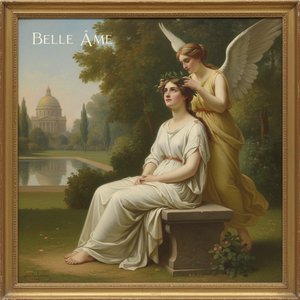
Explore the captivating figure paintings of Jules Lefebvre (1836-1911), a renowned French academic artist and educator. Discover his masterpieces, signature style, and lasting influence on art history. Shop high-quality reproductions at BuyPopArt.

Explore the life & art of Charles Le Brun, master of French Baroque Classicism. Discover his royal commissions, influence on Versailles, and enduring legacy through detailed analysis & stunning artworks.

Explore the life & art of Simon Vouet, a pivotal French Baroque painter who introduced Italian styles to France. Discover his masterpieces and lasting influence on 17th-century art.


Fique por dentro das últimas notícias de arte, ofertas exclusivas e ideias de decoração.
Conte-nos sobre o seu projeto e os nossos especialistas em arte fornecerão 3 sugestões de arte personalizadas.
Deixe que selecionamos 3 opções especialmente para você – Grátis!


 Visualizar na parede
 Compartilhar
 Compartilhar
 Detalhes

 Baixar imagem
 Semelhantes
 Raio X
 Apresentação de slides


 Ler mais







 A opção de vidro está disponível apenas para tamanhos inferiores a 110 cm


