Young Woman Standing: A Symphony of Light and Femininity
Pierre-Auguste Renoir, one of the most celebrated artists of the Impressionist movement, crafted a captivating portrait titled
Young Woman Standing. This oil on canvas painting, dated 1895, stands as a testament to Renoir’s unparalleled skill in capturing the essence of his subjects with elegance and poise—a quintessential embodiment of Impressionism's core principles. More than just an image, it’s a distillation of fleeting moments illuminated by natural light, reflecting a profound understanding of human emotion and artistic vision.
The Composition: Harmony Within Simplicity
Renoir’s masterful arrangement contributes to an atmosphere of intimacy and tranquility. The painting depicts a young woman standing before a doorway, adorned with a scarf around her neck—a deliberate choice that draws the viewer's gaze inward. Positioned towards the left side of the canvas, she is accompanied by a baby nestled on her right shoulder, creating a tender tableau that speaks to maternal affection and familial connection. The background features two vases strategically placed near each other, one slightly closer to the center and the other positioned just beyond—a subtle compositional element designed to balance visual weight and enhance the painting’s serene ambiance. Finally, a chair rests beneath the woman's feet, grounding her figure and reinforcing the sense of domestic comfort. Renoir’s meticulous attention to detail—though understated—serves to elevate the scene beyond mere representation, transforming it into an evocative portrayal of everyday life.
Lighting and Color: Impressionistic Brilliance
Renoir masterfully employs light and color to imbue the painting with warmth and vibrancy. Soft, diffused natural illumination washes over the woman’s face and drapery, highlighting her features with delicate subtlety—a technique characteristic of Impressionism that prioritizes capturing the ephemeral effects of sunlight filtering through the doorway. Vibrant hues—primarily pastel shades of pink, yellow, and blue—blend seamlessly together, creating a harmonious tapestry of color that captures the sensory experience of observing the world around us. This approach aligns closely with Renoir’s artistic philosophy, which sought to transcend academic conventions by focusing on the subjective perception of beauty—resulting in an artwork brimming with life and luminosity.
Historical Context: Embracing Modernity
Renoir's work emerged during a period of significant artistic transformation—the Impressionist movement challenged traditional notions of artmaking by rejecting idealized forms and prioritizing observation of natural light and color. Influenced by artists like Claude Monet and Frédéric Bazille, Renoir sought to depict the world as it appeared to the eye, capturing fleeting impressions rather than striving for photographic accuracy. The painting reflects the broader cultural shift toward valuing spontaneity and emotion—a reaction against the rigid formalism of earlier artistic styles. Furthermore, Renoir’s exploration of feminine beauty resonates with the evolving social attitudes of the late 19th century, where artists began to depict women as subjects of contemplation and admiration.
Symbolism and Aesthetic Impact: A Celebration of Grace
“Young Woman Standing” transcends its formal elements—composition, lighting, color—to convey deeper symbolic meanings related to femininity, innocence, and domestic tranquility. Renoir’s deliberate use of pastel hues contributes to an overall aesthetic experience that is both calming and uplifting—inviting viewers to savor the beauty of simple moments and appreciate the subtleties of human emotion. The painting remains a timeless masterpiece, demonstrating Renoir's unwavering commitment to capturing the essence of his subjects with grace and artistry—a testament to Impressionism’s enduring legacy as one of art history’s most influential movements.
Handmade oil paintings reproductions of this artwork are available at BuyPopArt, allowing art enthusiasts to own a piece of history.
Photo Description: The painting is a portrait of a woman standing in front of a doorway. She appears to be wearing a scarf around her neck and has a baby with her. The woman is positioned towards the left side of the image while the baby is on her right side. In the background, there are two vases placed near each other, one closer to the center of the painting and the other slightly further away. Additionally, there is a chair located in the lower part of the scene, close to the woman's feet.
Size: Unknown
Date: 1895
Photo Description: The painting is a portrait of a woman standing in front of a doorway. She appears to be wearing a scarf around her neck and has a baby with her. The woman is positioned towards the left side of the image while the baby is on her right side. In the background, there are two vases placed near each other, one closer to the center of the painting and the other slightly further away. Additionally, there is a chair located in the lower part of the scene, close to the woman's feet.
Size: Unknown
Date: 1895
ARTIST INFORMATION:
==================
Artist: Pierre-Auguste Renoir
Birth Year: 1841
Death Year: 1919
Birth City: Limoges
Birth Country: France
Biography:
A Life Bathed in Light: The World of Pierre-Auguste Renoir
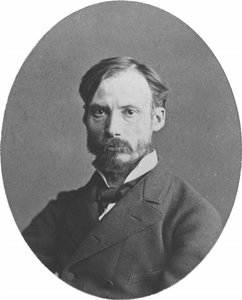
Born in the provincial French city of Limoges in 1841, Pierre-Auguste Renoir’s journey from humble beginnings as a porcelain painter to becoming a celebrated master of Impressionism is a testament to his unwavering dedication and artistic vision. His early life was marked by a move to Paris with his family, seeking economic opportunity, an experience that would profoundly shape his artistic sensibilities. The bustling city, with its vibrant street life and diverse characters, became the wellspring of inspiration for much of his later work. Initially apprenticed to paint porcelain – a practical necessity dictated by financial constraints – young Renoir found solace in frequent visits to the Louvre, where he meticulously studied the Old Masters, absorbing their techniques and developing an appreciation for beauty that would become a hallmark of his style. This early exposure ignited within him a passion for capturing the fleeting moments of light and color—a fascination that would define his artistic career.