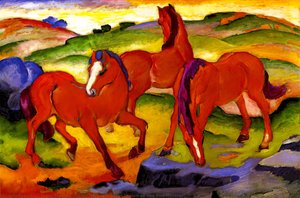
Pictură în ulei pe pânză, realizată manual de artiștii noștri la dimensiunea și ramele dorite de dumneavoastră, pe comandă. ( Comandă printul Cumpără imaginea)





























Alegeți dintre dimensiunile noastre prestabilite, care respectă proporțiile originale ale operei de artă.

Puteți introduce propriile dimensiuni pentru a se potrivi unui anumit cadru sau spațiu. Dacă dimensiunea selectată nu corespunde proporțiilor imaginii originale, vom decupa opera de artă sau vom extinde pictura cu elemente suplimentare pictate manual. O simulare digitală vă va fi trimisă pentru aprobare înainte de începerea producției.
Vă rugăm să rețineți că previzualizarea de pe ecran nu reflectă decuparea sau extinderea reală. Doar macheta va arăta cu exactitate compoziția finală.
Deși sunt disponibile dimensiuni personalizate, vă recomandăm să selectați o dimensiune din lista predefinită pentru a păstra proporțiile originale.
Livrare în întreaga lume () în 3-4 săptămâni, în loc de cele 5 săptămâni standard. (17 August). Fără compromisuri în ceea ce privește calitatea.


Calărețul în roșu (Little Horse in Cool Pink)
Dimensiune reproducere
Franz Marc's "Little Horse in Cool Pink," painted in 1913, isn’t merely a depiction of an animal; it’s a profound meditation on life, spirituality, and the very essence of being. This watercolour masterpiece, born from the heart of the Expressionist movement and the enigmatic circle known as Der Blaue Reiter, invites us into a world where color sings with emotion and form dissolves into feeling. Marc, a German artist deeply influenced by Vincent van Gogh’s passionate brushwork and his own spiritual leanings, sought to capture not just what he saw, but what he *felt* – a quest that resonates powerfully within this deceptively simple work.
The painting immediately draws the eye with its dominant palette of cool pinks and blues. These aren’t the cheerful hues of a summer meadow; rather, they evoke a sense of serenity, introspection, and perhaps even melancholy. Marc masterfully employs loose, expressive brushstrokes – a hallmark of Expressionism – to create an atmosphere of movement and vitality within this tranquil scene. The horse itself is rendered with a remarkable lack of detail, almost dissolving into the surrounding space. This deliberate ambiguity isn’t a failure of representation; it's a conscious choice by Marc to prioritize the emotional impact over a photographic likeness. The background, a suggestion of a landscape rather than a precise depiction, further contributes to this dreamlike quality.
To understand “Little Horse in Cool Pink,” it’s crucial to grasp the context of Expressionism – an artistic movement that arose in early 20th-century Germany as a reaction against academic realism. Artists like Marc rejected traditional notions of representation, believing that art should be used to express inner emotions and subjective experiences. They sought to capture not just the outward appearance of things, but their underlying spiritual significance. Marc’s work is deeply rooted in this philosophy; he wasn't interested in creating a realistic portrait of a horse, but rather conveying its inherent spirit – its vulnerability, its connection to nature, and perhaps even its fleeting existence.
The influence of figures like Van Gogh is undeniable. Marc shared Van Gogh’s fascination with color as a means of emotional expression, using vibrant hues not just for their aesthetic appeal, but to evoke specific feelings within the viewer. Furthermore, both artists explored themes of isolation and spirituality, mirroring the artist's own internal struggles and search for meaning. The painting can be seen as an embodiment of this shared quest – a visual representation of the artist’s attempt to connect with something larger than himself.
Animals held a particularly significant place in Marc’s artistic vision. He believed that animals possessed a purity and innocence that was often lacking in human society, serving as symbols of spiritual truth. In “Little Horse in Cool Pink,” the horse transcends its physical form to become an emblem of vulnerability, gentleness, and perhaps even sacrifice. The cool pink tones further amplify this symbolic weight, suggesting a connection to the divine or the ethereal.
The painting’s composition – the solitary horse against a muted background – reinforces this sense of isolation and introspection. It invites us to contemplate the horse's existence, its place in the world, and our own relationship with nature and spirituality. It is a poignant reminder that even in moments of quiet contemplation, there exists a profound depth of feeling and meaning.
"Little Horse in Cool Pink" stands as a testament to Franz Marc’s artistic genius and the enduring power of Expressionism. It's a work that continues to resonate with viewers today, not simply for its aesthetic beauty, but for its ability to evoke deep emotions and spark contemplation about life, death, and the spiritual realm. Reproductions of this captivating painting offer a unique opportunity to bring this powerful artwork into your home or office, allowing you to experience firsthand the emotional depth and artistic brilliance of one of the 20th century’s most influential artists. Consider commissioning a hand-painted reproduction from BuyPopArt – a faithful recreation that captures the essence of Marc's vision with exquisite detail.
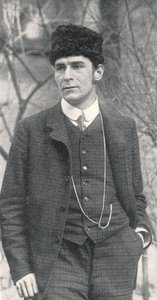
1880 - 1916 , Germania

Descoperă cele mai importante 10 capodopere ale Expresionismului German! Explorează poveștile din spatele picturilor Kandinsky, Munch și Kirchner. Reproduceri de artă premium pentru un decor unic pe BuyPopArt.com

Descoperă cele mai emblematice 25 de opere ale lui Marc Chagall! Explorează poveștile, simbolismul și culorile vibrante din tablourile sale iconice. Reproduceri artă de calitate muzeală & inspirație decor pe BuyPopArt.com.
Descoperă top 10 tablouri celebre îmbibate în nuanțe delicate de roz palid! De la Monet și Renoir la opere romantice, explorează istoria artei și găsește inspirație pentru decorul tău. Reproduceri de calitate muzeală pe BuyPopArt.com.

Explore the profound world of Franz Marc's Expressionist paintings. Discover his spiritual connection to animals, innovative use of color, and lasting impact on modern art history. Learn more at BuyPopArt.

Explore the rich history of horses in fine art! From ancient depictions to Renaissance masterpieces & beyond, discover iconic artworks and artists. Learn about symbolism, techniques, and find museum-quality reproductions at BuyPopArt.


Rămâneți la curent cu cele mai recente știri din lumea artei, ofertele noastre exclusive și ideile de decor.
Spuneți-ne despre proiectul dumneavoastră, iar experții noștri în artă vă vor oferi 3 sugestii personalizate.
Vom selecta 3 opțiuni special pentru tine – Gratuit!


 Previzualizare
 Trimite
 Distribuie
 Detalii despre lucrare

 Descarcă
 Produse similare
 Radiografie
 Diapozitive automate

 Vezi mai mult







 Opțiunea cu sticlă este disponibilă doar pentru dimensiuni de sub 110 cm