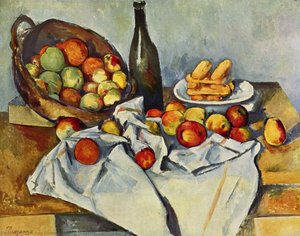
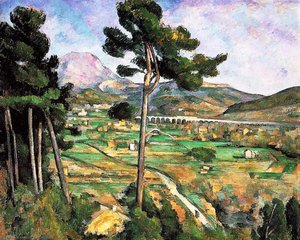
Pictură în ulei pe pânză, pictată manual, la dimensiunea și ramele dorite de dumneavoastră, realizată la comandă de artiștii noștri. ( Comandă versiunea tipărită Comută la imagine)





























Alegeți dintre dimensiunile noastre prestabilite, care respectă proporțiile originale ale operei de artă.

Puteți introduce propriile dimensiuni pentru a se potrivi unui anumit cadru sau spațiu. Dacă dimensiunea selectată nu corespunde proporțiilor imaginii originale, vom decupa opera de artă sau vom extinde pictura cu elemente suplimentare pictate manual. O simulare digitală vă va fi trimisă pentru aprobare înainte de începerea producției.
Vă rugăm să rețineți că previzualizarea de pe ecran nu reflectă decuparea sau extinderea reală. Doar macheta va arăta cu exactitate compoziția finală.
Deși sunt disponibile dimensiuni personalizate, vă recomandăm să selectați o dimensiune din lista predefinită pentru a păstra proporțiile originale.
Livrare în întreaga lume () în 3-4 săptămâni, în loc de cele 5 săptămâni standard. (5 August). Fără compromisuri în ceea ce privește calitatea.


„Still Life with Pomegranate and Pears”
Dimensiuni reproducere
Paul Cézanne's Still Life with Pomegranate and Pears, painted around 1890, is more than just a depiction of fruit; it’s a profound exploration of form, color, and the artist’s evolving approach to representing reality. This oil on canvas masterpiece, now residing in The Phillips Collection, exemplifies Cézanne’s transition from Impressionism towards his groundbreaking Cubist innovations. It showcases his meticulous observation and deliberate manipulation of perspective, laying the groundwork for future artistic revolutions.
The painting presents a seemingly simple arrangement – apples, pears, and a pomegranate displayed on a table alongside a bowl and chair. However, Cézanne’s technique transforms this ordinary scene into something extraordinary. He employs a methodical approach, breaking down the objects into geometric forms—cones, cylinders, and spheres—and reconstructing them on the canvas. Notice the deliberate use of planes of color; rather than blending smoothly, colors are applied in distinct brushstrokes, creating a textured surface that vibrates with energy. The perspective is not traditional; Cézanne subtly distorts it to emphasize the spatial relationships between objects, challenging conventional notions of depth and realism. This technique foreshadows the fragmentation and multiple viewpoints characteristic of Cubism.
Still Life with Pomegranate and Pears emerged during a pivotal period in art history—the late 19th century, as Impressionism began to wane. Cézanne, along with artists like Van Gogh and Gauguin, spearheaded Post-Impressionism, moving beyond the fleeting impressions of light and color that defined Impressionism. Instead, they sought to explore deeper truths about form, structure, and emotional expression. Cézanne’s work was initially met with criticism and misunderstanding; however, his influence on subsequent generations of artists—particularly Picasso and Matisse—is undeniable. He is now recognized as a crucial bridge between the 19th-century artistic tradition and the radical innovations of the 20th century.
While seemingly devoid of overt symbolism, Cézanne’s still life evokes a sense of quiet contemplation and enduring presence. The fruit themselves—the pomegranate, with its abundance of seeds symbolizing fertility and prosperity; the pears, representing ripeness and nourishment; and the apples, often associated with knowledge and temptation—contribute to the painting’s rich visual vocabulary. More importantly, Cézanne’s deliberate rendering of these everyday objects elevates them to a level of timeless beauty. The painting invites viewers to appreciate the inherent structure and form within the mundane, prompting a deeper engagement with the world around us. It is not merely an image of fruit; it is an exploration of perception itself—a testament to Cézanne’s unwavering commitment to understanding and representing reality in his own unique way.
Still Life with Pomegranate and Pears stands as a cornerstone of Post-Impressionist art, demonstrating Cézanne’s revolutionary approach to painting. Its influence can be seen throughout the development of modern art, inspiring countless artists to challenge conventions and explore new ways of seeing. The painting’s enduring appeal lies in its ability to simultaneously captivate with its beauty and provoke thought about the nature of representation—a testament to Cézanne’s genius and his lasting contribution to the world of art.
The Phillips Collection’s acquisition of this artwork solidified Cézanne's place in art history, marking a pivotal moment in the transition from Impressionism to Cubism. Its meticulous attention to detail—the careful positioning of each fruit against the backdrop of textured surfaces—continues to inspire artists and collectors alike.
Considered one of Cézanne’s most iconic compositions, *Still Life with Pomegranate and Pears* exemplifies his masterful manipulation of perspective and color. The artist's deliberate fracturing of form—evident in the conical shapes of the apples and pears—anticipates the groundbreaking techniques that would define Cubism.
Furthermore, the painting’s subdued palette—dominated by earthy tones—creates a mood of serene contemplation, inviting viewers to contemplate the beauty of nature and the complexities of visual perception. Cézanne's legacy extends far beyond this single masterpiece, shaping the artistic landscape of the 20th century.
The painting’s enduring fascination stems from its ability to capture not just what is seen but how it feels—a profound connection to the natural world and a celebration of artistic innovation. Cézanne's *Still Life with Pomegranate and Pears* remains an unparalleled achievement in Post-Impressionist art.
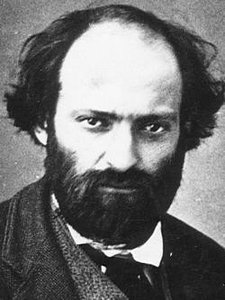
1839 - 1906 , Franța

Explore the profound evolution of art from Impressionism to Post-Impressionism. Discover how masters like Van Gogh revolutionized color and emotion, shaping modern art history through structural innovation and expressive technique.


Rămâneți la curent cu cele mai recente știri din lumea artei, ofertele noastre exclusive și ideile de decor.
Spuneți-ne despre proiectul dumneavoastră, iar experții noștri în artă vă vor oferi 3 sugestii personalizate.
Vom selecta 3 opțiuni special pentru tine – Gratuit!


 Vezi în context
 Trimite prin felicitare
 Distribuie
 Detalii

 Descarcă imaginea
 Produse similare
 Radiografie
 Galerie foto

 Citește mai mult







 Opțiunea cu sticlă este disponibilă doar pentru dimensiuni sub 110 cm