Pictură în ulei pe pânză, realizată manual de artiștii noștri la dimensiunea și ramele dorite de dumneavoastră, pe comandă. ( Cumpără print Cumpără imagine)





























Alegeți dintre dimensiunile noastre prestabilite, care respectă proporțiile originale ale operei de artă.

Puteți introduce propriile dimensiuni pentru a se potrivi unui anumit cadru sau spațiu. Dacă dimensiunea selectată nu corespunde proporțiilor imaginii originale, vom decupa opera de artă sau vom extinde pictura cu elemente suplimentare pictate manual. O simulare digitală vă va fi trimisă pentru aprobare înainte de începerea producției.
Vă rugăm să rețineți că previzualizarea de pe ecran nu reflectă decuparea sau extinderea reală. Doar macheta va arăta cu exactitate compoziția finală.
Deși sunt disponibile dimensiuni personalizate, vă recomandăm să selectați o dimensiune din lista predefinită pentru a păstra proporțiile originale.
Livrare în întreaga lume () în 3-4 săptămâni, în loc de cele 5 săptămâni standard. (13 August). Fără compromisuri în ceea ce privește calitatea.


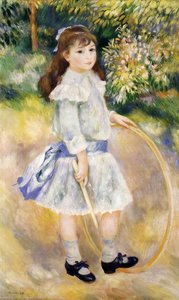
Irene Cahen d’Anvers, Colecția E.G. Bührle
Dimensiune reproducere
The world of Pierre-Auguste Renoir is one saturated with light, color, and a profound understanding of the human spirit. Among his most captivating works stands *Irene Cahen d’Anvers*, a portrait that transcends mere likeness to become a shimmering embodiment of Parisian elegance during the Belle Époque. Housed within the Emil Bührle Collection in Zurich, this painting offers a rare window into the opulent world of a wealthy Jewish banking family and showcases Renoir's mastery of Impressionistic technique.
Created in 1879, *Irene Cahen d’Anvers* is a quintessential example of Renoir’s approach to capturing fleeting moments. Unlike the rigid formality of academic portraiture, which prioritized meticulous detail and idealized forms, Renoir embraced spontaneity and an almost palpable sense of immediacy. He sought not to represent Irene as she *was*, but rather as she *felt* – a young woman radiating quiet confidence and grace within her luxurious surroundings. The painting is more than just a depiction; it’s an evocation of atmosphere, a distillation of light and emotion.
Renoir’s skill lies not in precise representation but in the skillful manipulation of color and light. He employed oil paints on canvas with a deliberate disregard for photographic accuracy, prioritizing instead the vibrant hues and subtle gradations that define Impressionism. Thick brushstrokes, layered upon each other, create a textured surface that seems to vibrate with life – mirroring the dappled sunlight filtering through the window behind Irene’s sofa. Notice how he captures the way light dances across the fabrics of her dress, creating an illusion of shimmering depth and movement. The careful mixing of pigments allows for an astonishingly realistic portrayal of textures: the delicate embroidery on the sofa, the sheen of silk, the softness of skin.
The composition itself is meticulously balanced. Irene sits centrally within a richly appointed room, her gaze directed slightly off-camera – perhaps towards a bird glimpsed through the window, or simply lost in contemplation. This subtle gesture draws the viewer into her world, inviting us to share in her serene beauty. The two birds perched on branches outside add a touch of nature’s tranquility, harmonizing with the overall atmosphere of peace and refinement.
*Irene Cahen d’Anvers* offers a fascinating glimpse into the social milieu of Belle Époque Paris. The painting was commissioned by Louis Cahen d'Anvers, a prominent figure in the city’s Jewish community and a successful banker. The opulent setting – the luxurious sofa, the intricate embroidery – speaks volumes about the family’s wealth and status. Renoir’s choice to portray Irene within this environment highlights her position as a woman of privilege and refinement.
Interestingly, the painting's history is marked by a degree of obscurity. Initially, Louis Cahen d’Anvers was reportedly dissatisfied with the portrait, hiding it in the servants’ quarters for years before Renoir received his payment. This anecdote underscores the complex relationship between artist and patron during this period – a dynamic often shaped by personal preferences and shifting artistic tastes. The painting's subsequent journey through private collections, including that of the Camondo family, adds another layer to its rich narrative.
Beyond its technical brilliance, *Irene Cahen d’Anvers* is imbued with a subtle sense of melancholy. Irene’s gaze, directed slightly off-camera, suggests a quiet introspection – a moment of pause amidst the bustle of Parisian life. The painting captures not just a physical likeness but also an emotional state, conveying a feeling of serene beauty and understated elegance. It's a portrait that lingers in the memory long after it has been viewed, inviting contemplation on themes of beauty, wealth, and the fleeting nature of time.
This reproduction offers a remarkable opportunity to experience the magic of Renoir’s brushstrokes firsthand. Bring this timeless masterpiece into your home and allow its luminous colors and evocative atmosphere to transform your space – a testament to the enduring power of Impressionistic art.
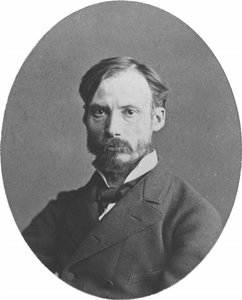
1841 - 1919 , Franța
Descoperă cele mai frumoase 25 de picturi Renoir! Explorează capodoperele impresionismului, culorile vibrante și poveștile din spatele fiecărei opere. Reproduceri artă de lux pe BuyPopArt.com – adaugă eleganță locuinței tale!
Descoperă top 25 de capodopere Musée d'Orsay! Explorează istoria picturilor Monet, Renoir, Van Gogh și a altor maeștri impresionisti. Găsește inspirație pentru decorul tău cu reproduceri de artă de calitate superioară pe BuyPopArt.com.

Explore the captivating world of Pierre-Auguste Renoir! Discover his life, iconic Impressionist masterpieces & enduring legacy with our expert guide. High-quality reproductions available.

Descoperă top 10 capodopere impresioniste – Monet, Manet, Renoir și alții! Află istoria picturilor celebre, tehnicile artistice și atmosfera unică a stilului impresionist. Reproduceri de calitate superioară pentru decorul perfect pe BuyPopArt.ro

Descoperă top 10 capodopere impresioniste de la Monet, Renoir și Degas! Explorează istoria artei impresioniste, culorile vibrante și tehnicile inovatoare. Reproduceri tablouri de calitate muzeală pe BuyPopArt.com.


Rămâneți la curent cu cele mai recente știri din lumea artei, ofertele noastre exclusive și ideile de decor.
Spuneți-ne despre proiectul dumneavoastră, iar experții noștri în artă vă vor oferi 3 sugestii personalizate.
Vom selecta 3 opțiuni special pentru tine – Gratuit!


 Previzualizare
 Trimite
 Distribuie
 Detalii despre lucrare

 Descarcă
 Produse similare
 Radiografie
 Diapozitive automate

 Vezi mai mult







 Opțiunea cu sticlă este disponibilă doar pentru dimensiuni de sub 110 cm