

Pictură în ulei pe pânză, realizată manual de artiștii noștri la dimensiunea și ramele dorite de dumneavoastră, pe comandă. ( Comandă versiunea tipărită Comută la imagine)





























Alegeți dintre dimensiunile noastre prestabilite, care respectă proporțiile originale ale operei de artă.

Puteți introduce propriile dimensiuni pentru a se potrivi unui anumit cadru sau spațiu. Dacă dimensiunea selectată nu corespunde proporțiilor imaginii originale, vom decupa opera de artă sau vom extinde pictura cu elemente suplimentare pictate manual. O simulare digitală vă va fi trimisă pentru aprobare înainte de începerea producției.
Vă rugăm să rețineți că previzualizarea de pe ecran nu reflectă decuparea sau extinderea reală. Doar macheta va arăta cu exactitate compoziția finală.
Deși sunt disponibile dimensiuni personalizate, vă recomandăm să selectați o dimensiune din lista predefinită pentru a păstra proporțiile originale.
Livrare în întreaga lume () în 3-4 săptămâni, în loc de cele 5 săptămâni standard. (10 August). Fără compromisuri în ceea ce privește calitatea.


MaestÓ (back, central panel), The Entry into Jerusalem
Dimensiune reproducere
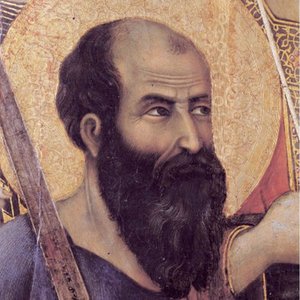
Duccio di Buoninsegna’s “MaestÓ (back, central panel), The Entry into Jerusalem,” painted around 1308-1311 for the high altar of Siena Cathedral, stands as a monumental testament to the burgeoning artistic spirit of the Italian Gothic period. More than just a depiction of a biblical event—the triumphant procession of Christ into Jerusalem—this altarpiece panel embodies a profound understanding of religious symbolism, masterful technique honed through *tempera* on wood panel, and an emotional depth rarely encountered in contemporary art. It’s a scene pulsating with movement, vibrant color, and palpable anticipation; a moment frozen in time that speaks volumes about faith, community, and the divine arrival—a cornerstone of Holy Week.
Immediately captivating is the central composition: Christ riding on a humble donkey, flanked by his disciples. This seemingly simple image is layered with significance. The deliberate choice of a donkey—a symbol universally recognized for humility and selfless service—contrasts sharply with the opulent attire of the onlookers, highlighting the narrative’s core message: salvation isn't achieved through worldly power or prestige but rather through grace and compassion. Furthermore, the horse visible in the background, often interpreted as a subtle foreshadowing of Jesus’s later triumphant ride into Jerusalem on a warhorse—a visual allusion to prophecy—adds another layer of complexity, enriching the artwork’s symbolic tapestry.
Duccio’s genius lies not merely in his narrative prowess but also in his innovative approach to artistic technique. He skillfully employs *tempera* on wood panel—a medium known for its luminosity and ability to preserve detail—creating a surface that allows for both delicate nuance and breathtaking vibrancy. The background is dominated by shimmering gold leaf, a hallmark of Sienese art during this period; this isn’t merely decorative embellishment but rather an intentional device designed to elevate the scene beyond earthly representation, channeling divine light and glory and drawing the viewer's gaze towards Christ—the focal point of contemplation.
Observe Duccio’s meticulous attention to detail. The individual faces in the crowd are rendered with remarkable realism, capturing a spectrum of emotions—joyful reverence, expectant anticipation—reflecting the collective fervor surrounding Jesus’s arrival. Similarly, the intricate folds of the garments worn by Christ and his disciples convey a sense of texture and movement, contributing to the overall impression of dynamism. Duccio's mastery is evident in every brushstroke; he doesn’t simply depict figures but strives to imbue them with psychological depth.
“The Entry into Jerusalem” marks a pivotal moment in Holy Week—the week preceding Easter—and thus serves as a powerful reminder of Christ’s sacrificial act. The depicted event—Jesus’s triumphant procession into Jerusalem—is not merely a historical record but a deeply symbolic representation of hope, redemption, and the promise of salvation. Rooted firmly in biblical tradition, yet imbued with Duccio’s artistic vision, transforming familiar narratives into visually stunning experiences.
This altarpiece panel was part of a larger undertaking—the *Maestà*—designed to adorn the entire high altar of Siena Cathedral. The other panels within this monumental work explored various facets of Christ’s life and destiny, creating a comprehensive visual narrative for the faithful. Duccio's careful orchestration of these individual panels underscores his profound understanding of art as a conduit for conveying religious truth and inspiring devotion—a legacy that continues to resonate with audiences today.
At BuyPopArt, we are proud to offer meticulously crafted, hand-painted reproductions of Duccio di Buoninsegna’s “MaestÓ (back, central panel), The Entry into Jerusalem.” Our skilled artists have painstakingly recreated every nuance of this iconic artwork, ensuring that you can savor its beauty and significance within the comfort of your own home. This reproduction captures not only the visual splendor but also the emotional depth and spiritual resonance of the original—a timeless testament to Duccio’s artistic genius.
Explore our collection today and discover other remarkable pieces by Duccio di Buoninsegna, including “MaestÓ (front, central panel, detail), Angels and Saints” and “MaestÓ (front, predella), The Prophet Isaiah.” For a deeper appreciation of this extraordinary artist and his contribution to the Sienese School, we invite you to visit BuyPopArt or consult resources like Wikipedia: Wikipedia.
1255 - 1319 , Italia

Discover how the Proto-Renaissance shattered artistic norms. Explore Giotto’s revolutionary shift from flat Byzantine icons to raw human emotion and naturalism—the true origin of modern visual impact and storytelling in art history.


Rămâneți la curent cu cele mai recente știri din lumea artei, ofertele noastre exclusive și ideile de decor.
Spuneți-ne despre proiectul dumneavoastră, iar experții noștri în artă vă vor oferi 3 sugestii personalizate.
Vom selecta 3 opțiuni special pentru tine – Gratuit!


 Previzualizare
 Trimite
 Distribuie
 Detalii despre lucrare

 Descarcă
 Produse similare
 Radiografie
 Diapozitive automate

 Vezi mai mult







 Opțiunea cu sticlă este disponibilă doar pentru dimensiuni de sub 110 cm


