

 Oil On CanvasWallArtBaroque Realism
 1618
1618 128.0 x 99.0 cm
 Galeria Națională Scoțiană
Pictură în ulei pe pânză, pictată manual, la dimensiunea și ramele dorite de dumneavoastră, realizată la comandă de artiștii noștri. ( Comandă versiunea tipărită Comută la imagine)





























Alegeți dintre dimensiunile noastre prestabilite, care respectă proporțiile originale ale operei de artă.

Puteți introduce propriile dimensiuni pentru a se potrivi unui anumit cadru sau spațiu. Dacă dimensiunea selectată nu corespunde proporțiilor imaginii originale, vom decupa opera de artă sau vom extinde pictura cu elemente suplimentare pictate manual. O simulare digitală vă va fi trimisă pentru aprobare înainte de începerea producției.
Vă rugăm să rețineți că previzualizarea de pe ecran nu reflectă decuparea sau extinderea reală. Doar macheta va arăta cu exactitate compoziția finală.
Deși sunt disponibile dimensiuni personalizate, vă recomandăm să selectați o dimensiune din lista predefinită pentru a păstra proporțiile originale.
Livrare în întreaga lume () în 3-4 săptămâni, în loc de cele 5 săptămâni standard. (6 August). Fără compromisuri în ceea ce privește calitatea.


An Old Woman Cooking Eggs
Dimensiuni reproducere
Diego Rodríguez de Silva y Velázquez's "An Old Woman Cooking Eggs," painted in 1618, isn’t merely a depiction of a simple kitchen scene; it’s a profound meditation on everyday life, the passage of time, and the quiet dignity of labor. This remarkable work, currently residing within the Scottish National Gallery, offers a rare glimpse into the domestic sphere of 17th-century Spain, rendered with an unprecedented level of realism and psychological depth that would define Velázquez’s legacy. The painting immediately draws the viewer in, not with grand gestures or dramatic narratives, but with the intimate focus on an elderly woman diligently preparing eggs – a seemingly unremarkable activity elevated to an extraordinary artistic statement.
Velázquez's mastery lies in his ability to capture the essence of his subject with astonishing precision. The old woman, her face etched with wrinkles and wisdom, is not idealized or romanticized; she’s presented as she truly was – a weathered figure engaged in a familiar task. Her brown dress, simple yet well-worn, speaks volumes about her life, while the white headscarf adds a touch of modesty and grace. The young boy, positioned to her right, isn't merely an observer; he embodies youthful curiosity and perhaps even a nascent appreciation for the woman’s craft. He holds a small bird, a subtle symbol of innocence and connection to nature – a delicate counterpoint to the earthy scene unfolding before us.
Painted in the Baroque style, “An Old Woman Cooking Eggs” exemplifies Velázquez’s innovative approach to realism. He moved beyond the idealized representations favored by earlier artists, embracing a more direct and unvarnished portrayal of human subjects and their surroundings. This shift was partly influenced by Caravaggio's dramatic use of light and shadow – known as *chiaroscuro* – which Velázquez masterfully employs here. The strong light source, originating from the left, dramatically illuminates the woman and her immediate environment, casting the background into deep, enveloping darkness.
This stark contrast not only creates a sense of depth and volume but also serves to heighten the emotional impact of the scene. The shadows conceal details, inviting the viewer’s imagination to fill in the gaps and contemplate the woman's life and experiences. The careful rendering of textures – the rough surface of the pot, the sheen on the eggs, the folds of the fabric – demonstrates Velázquez’s meticulous attention to detail and his profound understanding of materials.
Beyond its technical brilliance, “An Old Woman Cooking Eggs” is rich in symbolic meaning. The act of cooking eggs itself can be interpreted as a metaphor for life's simple pleasures and the cyclical nature of existence. The presence of the boy suggests continuity – the passing down of traditions and skills from one generation to the next. Furthermore, the painting reflects the broader social context of 17th-century Spain, where domestic labor was primarily performed by women.
Velázquez’s decision to depict a working-class scene within the confines of the Spanish court – a move that was relatively unprecedented at the time – underscores his commitment to portraying the realities of everyday life. He wasn't interested in glorifying royalty or celebrating heroic deeds; instead, he sought to capture the beauty and dignity found in the ordinary moments of human existence. The painting’s placement within the Scottish National Gallery highlights its enduring appeal across cultures and eras.
Reproductions of “An Old Woman Cooking Eggs” offer a remarkable opportunity to bring this iconic work into your home or office. When selecting a reproduction, consider the quality of materials used – archival inks on museum-grade canvas will ensure that the colors remain vibrant and true for generations to come. The size of the print should be carefully considered in relation to the intended space, allowing the painting’s details and emotional impact to fully resonate.
Whether displayed as a statement piece or incorporated into a more subtle interior design scheme, “An Old Woman Cooking Eggs” remains a timeless masterpiece – a testament to Velázquez's genius and his profound understanding of the human condition. It is an image that invites contemplation, evokes a sense of nostalgia, and reminds us of the beauty found in the simplest of moments.
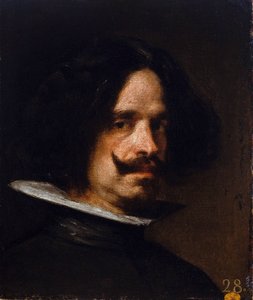
1599 - 1660 , Spania

Descoperă splendoarea Barocului! Explorează cele mai importante 10 capodopere ale lui Caravaggio, Rembrandt și Rubens. Află poveștile din spatele picturilor iconice și adu eleganța clasică în casa ta cu reproduceri de artă premium pe BuyPopArt.ro

Explore the dramatic world of Baroque art! Discover iconic masters like Caravaggio & Rembrandt, their techniques, and the movement's lasting impact. Expert insights for collectors & enthusiasts at BuyPopArt.

Explore the profound drama of Spanish Baroque art. Delve into the mastery of light, shadow, and realism through the legendary works of Diego Velázquez and the Spanish Golden Age.

Descoperiți cum să integrați splendoarea stilului baroc în locuința dumneavoastră! Ghid complet cu elemente de design, culori și inspirație pentru interioare luxoase și pline de emoție.

Explore the profound drama of Spanish Baroque art. Delve into the mastery of light, shadow, and realism through the legendary works of Diego Velázquez and the Spanish Golden Age with our expert-led historical guide.


Rămâneți la curent cu cele mai recente știri din lumea artei, ofertele noastre exclusive și ideile de decor.
Spuneți-ne despre proiectul dumneavoastră, iar experții noștri în artă vă vor oferi 3 sugestii personalizate.
Vom selecta 3 opțiuni special pentru tine – Gratuit!


 Vezi în context
 Trimite prin felicitare
 Distribuie
 Detalii

 Descarcă imaginea
 Produse similare
 Radiografie
 Galerie foto
 Citește mai mult







 Opțiunea cu sticlă este disponibilă doar pentru dimensiuni sub 110 cm


