Pictură în ulei pe pânză, realizată manual de artiștii noștri la dimensiunea și ramele dorite de dumneavoastră, pe comandă. ( Comandă versiunea tipărită Comută la imagine)





























Alegeți dintre dimensiunile noastre prestabilite, care respectă proporțiile originale ale operei de artă.

Puteți introduce propriile dimensiuni pentru a se potrivi unui anumit cadru sau spațiu. Dacă dimensiunea selectată nu corespunde proporțiilor imaginii originale, vom decupa opera de artă sau vom extinde pictura cu elemente suplimentare pictate manual. O simulare digitală vă va fi trimisă pentru aprobare înainte de începerea producției.
Vă rugăm să rețineți că previzualizarea de pe ecran nu reflectă decuparea sau extinderea reală. Doar macheta va arăta cu exactitate compoziția finală.
Deși sunt disponibile dimensiuni personalizate, vă recomandăm să selectați o dimensiune din lista predefinită pentru a păstra proporțiile originale.
Livrare în întreaga lume () în 3-4 săptămâni, în loc de cele 5 săptămâni standard. (9 August). Fără compromisuri în ceea ce privește calitatea.


Sakai-chô
Dimensiune reproducere
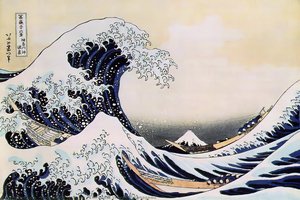
“Sakai Cho,” meaning “Tokyo Harbor,” is arguably Katsushika Hokusai’s most celebrated woodblock print from his monumental *Thirty-Six Views of Mount Fuji* series. Completed in 1832 during the Edo period, this artwork transcends mere depiction; it embodies a profound understanding of Japanese aesthetics and captures the spirit of a vibrant urban landscape.
The print showcases a panoramic vista of Tokyo Bay, dominated by towering buildings – warehouses and merchant establishments – reflecting the burgeoning commercial activity of the time. Amidst the architectural grandeur, Hokusai skillfully incorporates elements of nature—primarily a stylized crane and a heron—representing longevity and aspiration respectively. These birds soar gracefully above the harbor scene, symbolizing hope for prosperity and artistic achievement.
More than just a visual record, “Sakai Cho” speaks volumes about Edo society’s ambition and connection to the natural world. It reflects the optimism prevalent during a period of economic expansion and cultural flourishing—a testament to Hokusai's ability to distill complex ideas into an unforgettable artistic experience.
Hokusai’s fascination with Mount Fuji wasn’t merely aesthetic; it held deep symbolic importance within Japanese culture. Representing stability, divinity, and the enduring spirit of Japan itself, Fuji served as a focal point for artistic contemplation throughout centuries.
"Sakai Cho" subtly reinforces this symbolism by positioning Fuji in the distant background—a visual reminder of Japan’s spiritual core amidst the bustling harbor activity. This juxtaposition underscores Hokusai's intention to convey not just what he saw, but also what he felt about his surroundings – a harmonious blend of urban dynamism and timeless grandeur.
Hokusai’s compositional genius is evident in “Sakai Cho.” The artist utilizes aerial perspective—a technique where distant objects appear paler and less detailed—to create depth and convey the vastness of Tokyo Bay. This masterful manipulation of visual cues draws the viewer's eye upwards, emphasizing the majesty of Mount Fuji and reinforcing the print’s overarching theme of aspiration.
The careful placement of birds and buildings contributes to a dynamic interplay between natural elements and human endeavor—a hallmark of Hokusai’s artistic vision. It exemplifies how he transformed observation into art, capturing not just a scene but also an emotional resonance that continues to captivate audiences today.
"Sakai Cho" remains one of Hokusai's most enduring achievements—a cornerstone of ukiyo-e artistry and a symbol of Edo period Japan. Its influence extends far beyond its original context, inspiring artists across generations and solidifying Hokusai’s place as arguably the greatest printmaker in Japanese history.
Reproductions of “Sakai Cho” adorn homes and galleries worldwide, allowing admirers to experience firsthand the beauty and intellectual depth of this iconic artwork. It serves as a poignant reminder that art possesses the power to transcend time—capturing not only visual splendor but also the spirit of an era and conveying timeless messages about aspiration and harmony.

1760 - 1849 , Japonia
Descoperă cele mai frumoase 25 de opere de artă semnate de Katsushika Hokusai, maestru ukiyo-e. Explorează istoria valului Kanagawa și a picturilor japoneze iconice. Reproduceri de calitate muzeală pentru decorul casei tale pe BuyPopArt.com!
Explore the captivating landscape paintings of Stephen Chaplin, renowned for his 'Treatment in Minors' series & unique blend of Pop Art and historical realism. Discover his artistic journey & emotional depth.

Explore the life & art of Ando Hiroshige, Japan's last great ukiyo-e master. Discover his iconic landscapes, poetic style, and profound influence on Western Impressionism. Learn about The Fifty-Three Stations & more!

Explore the captivating world of Tōshūsai Sharaku, the enigmatic Edo period ukiyo-e master. Discover his iconic Kabuki actor portraits and unravel the mystery behind this fleeting artistic genius. Learn about his unique style & lasting legacy.

Explore the life & art of Katsushika Hokusai, Japan's ukiyo-e master! Discover 'The Great Wave,' landscapes, manga & his profound influence on Western art. A comprehensive guide for enthusiasts.


Rămâneți la curent cu cele mai recente știri din lumea artei, ofertele noastre exclusive și ideile de decor.
Spuneți-ne despre proiectul dumneavoastră, iar experții noștri în artă vă vor oferi 3 sugestii personalizate.
Vom selecta 3 opțiuni special pentru tine – Gratuit!


 Previzualizare
 Trimite
 Distribuie
 Detalii despre lucrare

 Descarcă
 Produse similare
 Radiografie
 Diapozitive automate
 Vezi mai mult







 Opțiunea cu sticlă este disponibilă doar pentru dimensiuni de sub 110 cm