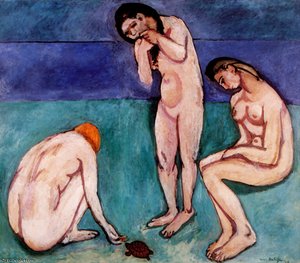
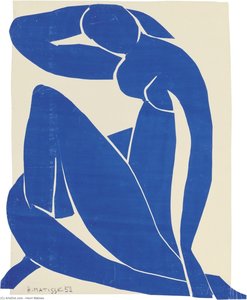
Масло на холстеНастенный декорFauvism
 — Модернизм
 130.0 x 89.0 cm
Картина маслом на холсте в выбранном вами размере и раме, написанная на заказ нашими художниками. ( Перейти к печати Переключиться на изображение)





























Выберите один из наших стандартных размеров, соответствующих оригинальным пропорциям произведения искусства.

Вы можете указать собственные размеры, чтобы картина идеально вписалась в выбранную раму или пространство. Если выбранный вами размер не соответствует пропорциям оригинала, мы либо обрежем полотно, либо расширим его за счет дополнительных элементов, написанных вручную. Цифровой макет будет отправлен вам на утверждение перед началом производства.
Обратите внимание, что предварительный просмотр на экране не отражает фактическую обрезку или расширение. Только макет точно покажет окончательную композицию.
Хотя доступны индивидуальные размеры, мы рекомендуем выбирать вариант из предопределенного списка, чтобы сохранить исходные пропорции.
Доставка по всему миру () за 3–4 недели вместо стандартных 5 недель. (5 Август). Без компромиссов в качестве.


"La Chaise aux Pêches: A Fauvist Still Life of Everyday Beauty" -> "Лa Чaйсe aux Пêches: Февизтская тильбет повседневной красоты"
Размер репродукции
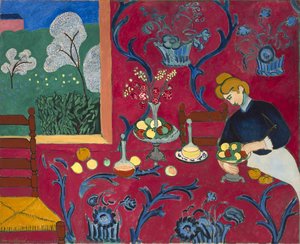
Henri Matisse’s “La Chaise aux Pêches” (1917), a seemingly simple still life, is far more than just a depiction of a chair and a plate of fruit. It's a vibrant declaration of the Fauvist movement—a bold, unapologetic celebration of color and form that continues to resonate with viewers over a century later. Measuring 130 x 89 cm, this oil on canvas invites us into a world where the ordinary is transformed through intense hues and dynamic brushstrokes, revealing Matisse’s revolutionary approach to painting and his profound understanding of human emotion.
At its core, the painting presents a deceptively straightforward scene: a striking red chair positioned before a backdrop of cool blue. A plate rests beneath it, adorned with two luscious apples. Yet, within this seemingly simple arrangement lies a complex exploration of color and light. Matisse deliberately rejected the muted tones favored by earlier Impressionists, opting instead for a palette of saturated reds, blues, greens, and yellows—colors that seem to vibrate with an almost palpable energy. This wasn’t merely decorative; it was a deliberate choice to evoke emotion directly, bypassing the need for meticulous representation. The artist sought not to mimic reality but to translate feeling onto canvas.
“La Chaise aux Pêches” is considered a quintessential example of Fauvist principles. This movement, which flourished in France around 1905, challenged the established norms of art by advocating for the liberation of color from its traditional role as a mere tool for describing reality. Instead, artists like Matisse used color purely for its expressive power, creating compositions that were often jarring and unconventional. Notice how the intense red of the chair clashes playfully with the blue wall, demanding our attention and disrupting any sense of conventional harmony. This deliberate discord is characteristic of Fauvist aesthetics—a rejection of academic restraint in favor of emotional impact.
The energetic brushstrokes further contribute to the painting’s dynamism. They are loose, visible, and applied with a confident immediacy that suggests a direct connection between Matisse's hand and the canvas. This tactile quality contrasts sharply with the smooth, polished surfaces favored by many earlier painters, adding another layer of visual interest. The artist wasn’t striving for photographic accuracy; he was conveying feeling through the very act of painting—a visible process of creation.
While undeniably Fauvist in its color palette and expressive approach, “La Chaise aux Pêches” also reveals affinities with other artistic traditions. The composition shares similarities with Henri Matisse’s earlier still life, "Nature morte aux oranges," a work housed at the muséum Picasso in Paris. Both paintings utilize a similar arrangement of objects—a chair, fruit, and a table—to explore themes of color, form, and light. Furthermore, one can trace influences from Paul Cézanne, whose exploration of geometric forms and his emphasis on line and structure paved the way for Fauvist experimentation. However, Matisse departs significantly from Cézanne’s more restrained approach. Where Cézanne sought to capture the underlying structure of objects through careful observation, Matisse prioritized emotional expression over realistic representation. The apple, for instance, is not rendered with photographic accuracy; instead, it's depicted as a vibrant burst of color and form—an embodiment of joy and vitality.
BuyPopArt offers meticulously crafted handmade oil painting reproductions of “La Chaise aux Pêches,” allowing art lovers to experience the brilliance of Matisse’s vision firsthand. These reproductions faithfully capture the original's vibrant colors, dynamic brushstrokes, and emotional intensity, bringing this iconic Fauvist masterpiece into your home or office. Consider it a window into the heart of modern art—a celebration of color, form, and the beauty of everyday life. For those seeking to delve deeper into Matisse’s artistic journey, we encourage you to visit the Kulturforum Museum in Berlin, Germany, where a significant collection of his works is on display. And for further exploration, consider visiting BuyPopArt.com to discover more about this extraordinary artist and his enduring legacy.

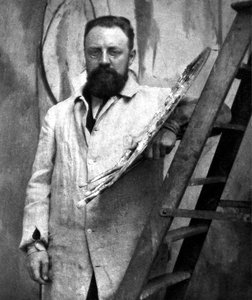
1869 - 1954 , Франция
Погрузитесь в мир Анри Матисса! 25 шедевров фовизма, ярких красок и новаторских техник. Узнайте историю создания культовых картин художника и вдохновитесь для интерьера с BuyPopArt.com – музейное качество репродукций.

Погрузитесь в мир фовизма! 10 шедевров Матисса, Дерена и других мастеров экспрессионизма. Узнайте историю ярких красок и смелых форм. Репродукции картин высокого качества на BuyPopArt.com – для вашего интерьера.

Погрузитесь в мир фовизма! 10 шедевров Матисса, Дерена и других гениев. Узнайте историю ярких красок, революционных техник и вдохновения для вашего интерьера. Репродукции картин на BuyPopArt.com

Explore the rich history & techniques of oil painting – from Renaissance masters to Impressionism. Discover pigments, layering methods, and why this timeless medium endures. Expert insights for artists & art enthusiasts.

Explore the rich history & enduring techniques of oil painting with BuyPopArt. Discover masterpieces, learn about art collecting, and find authentic handmade reproductions crafted by skilled artists.


Будьте в курсе последних новостей из мира искусства, эксклюзивных предложений и идей для оформления интерьера.
Расскажите нам о вашем проекте, и наши эксперты по искусству предложат вам 3 персонализированных варианта произведений искусства.
Мы подберем для вас 3 варианта — бесплатно!


 Предпросмотр
 Поделиться
 Поделиться
 Детали произведения

 Скачать
 Похожие работы
 Рентгенография
 Слайд-шоу
 Читать далее







 Вариант со стеклом доступен только для размеров менее 110 см