Акрил на холстеНастенный декорImpressionistic Light
 1867
1867 73.0 x 91.0 cm
 Музей Метрополитен
Печать (жикле) или холст музейного качества с быстрыми сроками изготовления и широким выбором вариантов отделки. ( Купить картину ручной работы Купить изображение)





























Выберите один из наших стандартных размеров, соответствующих оригинальным пропорциям произведения искусства.

Вы можете указать свои собственные размеры, чтобы репродукция идеально подошла под конкретную раму или пространство. Если выбранный вами размер не будет соответствовать пропорциям оригинала, мы либо обрежем произведение, либо дополним изображение зеркальным отражением краев или однотонной заливкой. Перед началом производства вам будет отправлен цифровой макет для утверждения.
Пожалуйста, обратите внимание, что предварительный просмотр на экране не отображает фактическую обрезку или расширение изображения. Только макет точно покажет финальную композицию.
Несмотря на возможность заказа индивидуальных размеров, мы рекомендуем выбирать размер из предопределенного списка, чтобы сохранить оригинальные пропорции.
Доставка по всему миру () за 2 недели вместо стандартных 4/5 недель. (15 Август)


Похороны
Размер репродукции
Édouard Manet’s “The Funeral,” completed in 1867, isn't merely a depiction of a Parisian funeral procession; it’s a carefully constructed tableau brimming with symbolic weight and revolutionary artistic intent. This painting, now housed within the Metropolitan Museum of Art in New York, stands as a pivotal work bridging the gap between Realism and Impressionism – a testament to Manet’s daring rejection of academic conventions and his profound exploration of human emotion amidst the grandeur of urban life. The scene unfolds on Mouffetard Street in Paris, capturing a somber event: the funeral of writer Charles Baudelaire. However, the painting's power lies not just in its subject matter but in Manet’s deliberate choices regarding composition, light, and the very presence – or absence – of figures within the frame.
Unlike the meticulously detailed works favored by Realist painters like Gustave Courbet, Manet employs a looser, more expressive brushstroke. Colors are muted, creating an atmosphere of diffused illumination—a deliberate departure from the dramatic chiaroscuro techniques used to sculpt form and create depth. This choice isn’t about photographic accuracy; instead, it prioritizes capturing the *feeling* of a stormy September afternoon – the dampness in the air, the hazy light filtering through the buildings, the overall sense of melancholy. The painting feels less like a precise record and more like an impression, a fleeting moment etched onto canvas.
Beyond its immediate depiction of a funeral procession, “The Funeral” is rich with layered symbolism. Manet masterfully utilizes the Parisian cityscape as a backdrop for profound commentary. The elevated view—featuring iconic landmarks such as Notre Dame Cathedral, the Panthéon, and the Observatoire de Paris—represents intellectual and spiritual grandeur, a testament to France’s cultural heritage. Yet, this monumental backdrop is subtly juxtaposed against the earthly reality of grief. Manet's most striking compositional decision involves bringing the domes of the Observatoire and Notre Dame closer together – an act that elevates their visual importance, suggesting a quiet contemplation of faith and the enduring spirit of Paris.
Notably, the painting deliberately features a limited number of mourners. The men, primarily, are largely absent from the scene. This omission isn’t accidental; it reflects Manet's fascination with capturing fleeting moments and psychological states rather than idealized representations of public mourning. It suggests a focus on the *experience* of grief – the quiet solitude, the unspoken emotions – rather than a grand spectacle. The hearse itself, dominating the canvas with its diagonal thrust, acts as a powerful visual guide, drawing the viewer’s eye across the scene and emphasizing the procession's movement.
The deliberate absence of many figures within the crowd is perhaps the painting’s most potent element. It forces the viewer to contemplate the nature of grief itself – not as a collective, public event, but as a deeply personal and often solitary experience. The few visible mourners are rendered with minimal detail, their faces obscured or turned away, further emphasizing this sense of detachment. This isn't a celebration of mourning; it’s an exploration of its quiet intensity.
Furthermore, the inclusion of a horse grenadier of the Imperial Guard adds another layer of complexity. The presence of this military figure suggests a connection to the state and the official mourning rituals associated with prominent figures. However, his placement at the back of the procession subtly undermines the formality of the event, hinting at a more informal, perhaps even irreverent, approach to remembrance.
“The Funeral” is not simply a historical record; it’s a revolutionary statement about art and its role in capturing modern life. Manet's rejection of academic conventions—his loose brushstrokes, muted colors, and focus on psychological states—laid the groundwork for Impressionism and profoundly influenced generations of artists to come. This painting stands as a powerful reminder that art can be more than just a representation of reality; it can be a vehicle for exploring complex emotions, challenging established norms, and capturing the essence of a moment in time.
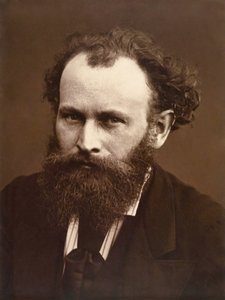
1832 - 1883 , Франция
Откройте для себя 25 шедевров Эдуара Мане, французского импрессиониста! Узнайте истории создания картин "Завтрак на траве", "Олимпия" и других легендарных полотен. Купите репродукции высокого качества для вашего интерьера на BuyPopArt.com.
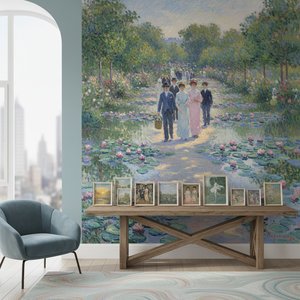
Погрузитесь в мир импрессионизма! Откройте топ-10 шедевров Моне, Ренуара и других гениев. Узнайте историю создания культовых картин, технику письма и влияние на искусство. Репродукции музейного качества – BuyPopArt.com

Explore the life & art of Édouard Manet, a pivotal figure bridging Realism and Impressionism. Discover his revolutionary techniques, controversial masterpieces like 'Olympia,' and lasting impact on modern art history.

Погрузитесь в мир импрессионизма! Откройте для себя 10 шедевров Моне, Ренуара и других великих мастеров. Узнайте историю создания культовых картин и вдохновитесь для декора интерьера. Репродукции музейного качества на BuyPopArt.com.

Explore the captivating world of Impressionism! Discover its history, key artists like Monet & Renoir, defining techniques, and lasting impact on modern art. Expert insights for collectors.


Будьте в курсе последних новостей из мира искусства, эксклюзивных предложений и идей для оформления интерьера.
Расскажите нам о вашем проекте, и наши эксперты по искусству предложат вам 3 персонализированных варианта произведений искусства.
Мы подберем для вас 3 варианта — бесплатно!


 Предпросмотр
 Поделиться
 Поделиться
 Детали произведения

 Скачать
 Похожие работы
 Рентгенография
 Слайд-шоу
 Читать далее







 Вариант со стеклом доступен только для размеров менее 110 см