Anton Raphael Mengs (1728–1779) - A Bridge Between Baroque and Neoclassicism
Anton Raphael Mengs stands as a pivotal figure in the artistic landscape of the late 18th century, marking a decisive transition from the opulent grandeur of Baroque to the austere elegance of Neoclassicism. Born in Ústí nad Labem, Bohemia (now Czech Republic) in 1728, his life was inextricably linked with intellectual currents and artistic patronage—a confluence that propelled him to become one of Europe’s most celebrated painters.
- Early Life & Family Origins: Mengs's father, Ismael Mengs, a Danish painter who sought royal sponsorship in Dresden, instilled in his son an unwavering dedication to artistic excellence. Despite the complexities surrounding his paternity—a clandestine affair with Charlotte Bormann—Ismael prioritized Anton’s education and fostered his talent for copying masterpieces by Correggio and Raphael, recognizing the profound influence of classical art on shaping a painter's vision. The family relocated to Rome in 1741, where Mengs began his artistic apprenticeship under the tutelage of Raphael’s legacy.
- Rome & Winckelmann Connection: Rome became Mengs’s creative epicenter—a city brimming with inspiration and intellectual ferment. His friendship with Johann Joachim Winckelmann proved transformative, shaping both Mengs's aesthetic sensibilities and his theoretical understanding of art. Together, they championed the revival of classical ideals, arguing that true beauty resided in proportion and harmony derived from antiquity. This partnership fueled Mengs’s artistic endeavors and solidified his role as a champion of Neoclassical thought.
- Career Across Courts: Mengs's artistic trajectory unfolded across several prominent European courts—Dresden, Madrid, and Naples—each leaving its distinctive imprint on his oeuvre. His frescoes for Dresden showcased his mastery of monumental decoration and spatial illusion, while commissions in Madrid demonstrated his ability to blend Italianate grandeur with Spanish sensibilities. Notably, he captivated audiences with his portraiture, achieving unparalleled renown as a painter of aristocratic subjects.
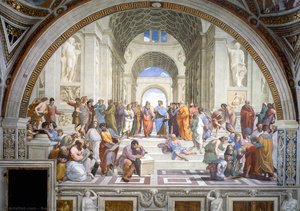
- The School of Athens & Neoclassical Philosophy: Mengs’s magnum opus—the fresco *The School of Athens* commissioned by Cardinal Alessandro Albani—became an instant symbol of Neoclassicism. Executed in 1761, it embodies Winckelmann's philosophy on art, prioritizing reason and order over emotional expression. This monumental work cemented Mengs’s reputation as a pioneer of the movement and profoundly influenced subsequent generations of artists.
- Legacy & Influence: Anton Raphael Mengs died in Rome in 1779, leaving behind an enduring legacy that extended far beyond his impressive artistic output. He was more than just a painter; he was a catalyst for intellectual discourse and artistic innovation—a bridge between Baroque tradition and the burgeoning ideals of Neoclassicism. His influence continues to resonate today, reminding us of the transformative power of classical art to inspire creativity and shape cultural values.
His paintings are considered more successful than his history paintings, and he was Batoni’s main rival as the leading portraitist in Rome.