Ručne maľovaný olej na plátne vo vašej zvolenej veľkosti a v ráme, vyrobený na mieru našimi umelcami. ( Prejsť na tlač Prepnúť na obrázok)





























Vyberte si z našich preddefinovaných rozmerov, ktoré zodpovedajú pôvodným pomeroḿ diela.

Môžete zadať vlastné rozmery tak, aby sa hodili do konkrétneho rámu alebo priestoru. Ak sa váš zvolený rozmer nezhoduje s pôvodnými proporciami obrazu, dielo buď orezáme, alebo ho doplníme ručne maľovanými prvkami. Pred začiatkom výroby vám zašleme digitálny náhľad na schválenie.
Upozorňujeme, že ukážka na obrazovke neodráža skutočné orezanie alebo doplnenie. Skutočnú finálnu kompozíciu zobrazuje iba digitálny náhľad.
Hoci sú k dispozícii vlastné rozmery, odporúčame vybrať rozmer z preddefinovaného zoznamu, aby sme zachovali pôvodné proporcie.
Celosvetová doprava () za 3 až 4 týždne namiesto štandardných 5 týždňov. (5 august). Bez kompromisov v kvalite.


Portrait of Lady Mary Guildford
Veľkosť reprodukcie
Hans Holbein the Younger's "Portrait of Lady Mary Guildford" is more than just a painting; it’s a meticulously crafted window into the opulent world of 16th-century England. Completed around 1527, this oil on oak panel captures not merely the likeness of a noblewoman but also her status, piety, and the subtle power she wielded within the court of Henry VIII. The painting resides today in the Saint Louis Art Museum, a testament to its enduring beauty and historical significance, and it’s a work that continues to fascinate art historians and collectors alike.
Holbein, a German artist who spent much of his career in England, was renowned for his ability to render human form with astonishing realism and psychological depth. He moved beyond simple likenesses, striving instead to capture the very essence of his subjects – their character, mood, and social standing. In “Portrait of Lady Mary Guildford,” this ambition is brilliantly realized. The subject, Lady Mary Wotton, wife of Sir Henry Guildford, a prominent courtier, is presented with an almost regal composure. Her gaze meets the viewer directly, inviting engagement and revealing a quiet strength.
The painting’s composition immediately draws attention to several key elements. Lady Mary wears a dark, richly draped gown, indicative of her elevated social position. The ruffled collar, a fashionable detail of the era, adds a touch of elegance and sophistication. Noticeably, she holds a book and a rosary – symbols deeply rooted in Christian piety, suggesting a devout nature. However, it’s not merely religious devotion that defines her; there's an underlying sense of self-assurance, a subtle defiance conveyed through her posture and the directness of her gaze. The background, featuring two classical columns and a vase, creates a sense of depth and grandeur, further emphasizing Lady Mary’s importance within the scene.
“Portrait of Lady Mary Guildford” is firmly rooted in the Northern Renaissance style, a movement characterized by its emphasis on realism, meticulous detail, and psychological observation. Unlike the idealized representations prevalent in Italian Renaissance art, Holbein’s work prioritized accuracy and a profound understanding of human anatomy and expression. He employed a technique known as *sfumato*, subtly blurring lines and softening edges to create an illusion of depth and volume – particularly evident in the folds of her gown and the delicate rendering of her hands.
Holbein’s mastery of light and shadow is equally remarkable. The painting is bathed in a soft, diffused light that highlights Lady Mary's features and creates a sense of intimacy. He skillfully uses chiaroscuro – the dramatic contrast between light and dark – to sculpt her form and draw attention to key details, such as the texture of her dress and the expression on her face. This careful manipulation of light not only enhances the visual impact of the painting but also contributes to its overall emotional resonance.
“Portrait of Lady Mary Guildford” offers a valuable glimpse into the social and cultural landscape of Tudor England. The portrait reflects the importance of patronage – wealthy individuals like Sir Henry Guildford commissioned artists to create works that would enhance their status and demonstrate their wealth and influence. The lavish setting, with its classical columns and ornate vase, speaks volumes about the court’s appreciation for luxury and refinement.
Interestingly, this particular portrait is a copy of another painting by Holbein, which resides in the Royal Collection at Windsor Castle. The slight variations between the two versions suggest that it was likely produced in Holbein’s workshop during his time in England, highlighting the artist’s influence and the dissemination of his style. The existence of both paintings allows art historians to study Holbein’s techniques and understand how his work evolved over time.
BuyPopArt.com is proud to offer meticulously crafted hand-painted oil painting reproductions of “Portrait of Lady Mary Guildford.” Our skilled artists replicate Holbein’s masterful technique, using the finest materials to ensure that each reproduction captures the essence and beauty of the original. We understand that owning a piece of art history is a significant investment, which is why we offer a range of sizes and customization options to suit your individual needs and budget.
Whether you’re an art enthusiast, a collector seeking to expand your collection, or simply someone who appreciates exquisite craftsmanship, a reproduction of “Portrait of Lady Mary Guildford” will be a stunning addition to your home or office. It's a timeless masterpiece that continues to captivate viewers with its grace, power, and enduring beauty. Explore our selection today and bring a piece of Tudor history into your life.
Photo Description: The painting is a portrait of a woman wearing a black dress with a ruffled collar. She has long hair that is pulled back in a ponytail. The woman appears to be looking at the viewer, possibly smiling or frowning. In the background, there are two columns and a vase. One column is located on the left side of the painting, while the other is situated on the right side. The vase can be seen in the middle of the scene, slightly behind the woman. Size: Unknown Date: Unknown ARTIST INFORMATION: ================== Artist: Hans Holbein the Younger Birth Year: 1497 Death Year: 1543 Birth City: Augsburg Birth Country: Italy Biography: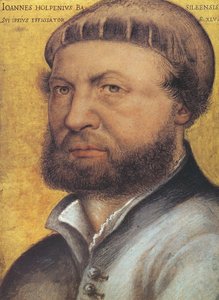
1497 - 1543 , Nemecko

Transform cherished family memories into timeless legacies with bespoke, hand-painted oil portraits. Our master artists reimagine your photos as museum-quality masterpieces, offering unparalleled craftsmanship and elegance for the discerning collector.


Zostaňte v obraze s najnovšími správami zo sveta umenia, exkluzívnymi ponukami a nápormi na dekoráciu.
Povedzte nám o svojom projekte a naši odborníci na umenie vám pripravia 3 personalizované návrhy umeleckých diel.
Nechajte si od nás vybrať 3 možnosti priamo pre vás – zadarmo!


 Náhľad
 Odoslať
 Zdieľať
 Podrobnosti o dielo

 Stiahnuť
 Podobné diela
 RTG skúška
 Prezentácia

 Zobraziť viac







 Možnosť skla je dostupná len pri rozmeroch pod 110 cm