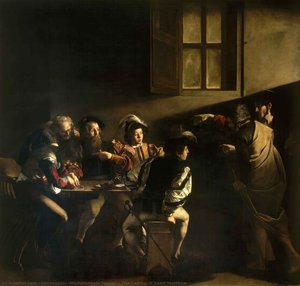
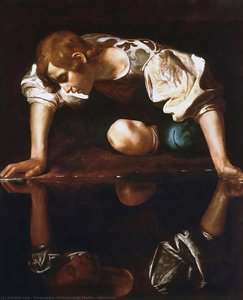
Ručne maľovaný olej na plátne vo vašej zvolenej veľkosti a v ráme, vyrobený na mieru našimi umelcami. ( Kúpiť tlač Kúpiť obrázok)





























Vyberte si z našich preddefinovaných rozmerov, ktoré zodpovedajú pôvodným pomeroḿ diela.

Môžete zadať vlastné rozmery tak, aby sa hodili do konkrétneho rámu alebo priestoru. Ak sa váš zvolený rozmer nezhoduje s pôvodnými proporciami obrazu, dielo buď orezáme, alebo ho doplníme ručne maľovanými prvkami. Pred začiatkom výroby vám zašleme digitálny náhľad na schválenie.
Upozorňujeme, že ukážka na obrazovke neodráža skutočné orezanie alebo doplnenie. Skutočnú finálnu kompozíciu zobrazuje iba digitálny náhľad.
Hoci sú k dispozícii vlastné rozmery, odporúčame vybrať rozmer z preddefinovaného zoznamu, aby sme zachovali pôvodné proporcie.
Celosvetová doprava () za 3 až 4 týždne namiesto štandardných 5 týždňov. (17 august). Bez kompromisov v kvalite.


Supper at Emmaus (detail) (11)
Veľkosť reprodukcie
Michelangelo Merisi da Caravaggio’s “Supper at Emmaus,” painted in 1606 and currently residing within the Pinacoteca di Brera in Milan, isn't merely a depiction of a biblical scene; it’s a visceral plunge into human emotion – a masterclass in Baroque drama that continues to captivate viewers centuries later. This painting transcends simple narrative, transforming a pivotal moment from the Gospel of Luke – the resurrected Christ revealing himself to two disciples on their journey to Emmaus – into an exploration of faith, recognition, and the profound shift in perspective that occurs when belief is suddenly illuminated. Caravaggio’s genius lies not just in his technical skill, honed through years of intense observation and experimentation, but in his uncanny ability to distill complex theological concepts—the nature of divinity, the struggle for understanding, the transformative power of grace—into a single, arresting image, imbuing it with a palpable sense of urgency and wonder. The scene unfolds within a dimly lit inn, a space deliberately chosen by Caravaggio to ground the miraculous event in the everyday reality of human life – a humble setting that emphasizes the profound nature of the encounter.
Caravaggio’s signature technique, *tenebrism*, is powerfully evident here. The painting isn't defined by gentle illumination; instead, it’s a dramatic interplay between intense light and enveloping darkness. A brilliant shaft of illumination, seemingly originating from an unseen source – perhaps representing divine grace – dramatically highlights the faces of Christ and one of his disciples, traditionally identified as Saint Peter, while leaving much of the scene shrouded in shadow. This deliberate manipulation of light isn't simply aesthetic; it serves to draw our attention to these key figures, amplifying their expressions of astonishment and disbelief. The darkness surrounding them suggests a world suddenly transformed, a veil lifted from the mundane to reveal the extraordinary. Notice how the shadows cling to the edges of the room, creating a sense of claustrophobia and intensifying the drama of the encounter – it’s as if we are witnesses to a secret, a moment too sacred for easy comprehension. The careful placement of light isn't accidental; Caravaggio meticulously studied anatomy and optics to achieve this effect, understanding how light interacts with surfaces to create depth and volume.
The figures themselves are rendered with remarkable realism – not idealized representations of saints, but ordinary men, weathered by life’s hardships. Their clothing is simple, their faces lined with age and experience. This deliberate choice underscores a key theme of the painting: the universality of faith. These aren't distant theological concepts; they are everyday people grappling with an extraordinary revelation. The disciple on the left, clutching his arm as if in shock, embodies disbelief and confusion – a reaction profoundly relatable to any viewer encountering something beyond their understanding. The other disciple, reaching out towards Christ, represents recognition and acceptance, a gesture of profound humility. Even the innkeeper, standing silently behind the table, is imbued with a sense of bewilderment, highlighting the disruptive nature of this encounter. The details—the worn tunic, the rough hands—ground the miraculous event in the tangible reality of human existence. The composition itself – the triangular arrangement of figures centered around Christ – draws our eye to the focal point and reinforces the importance of this transformative moment.
“Supper at Emmaus” remains one of Caravaggio’s most celebrated works, a testament to his revolutionary approach to painting. His use of *chiaroscuro* – the dramatic contrast between light and dark – continues to inspire artists today, while his realistic portrayal of human emotion has profoundly influenced Western art. At BuyPopArt.com, we are proud to offer meticulously hand-painted reproductions that capture the essence of this iconic masterpiece. Our skilled artisans painstakingly recreate every detail—the subtle nuances of expression, the texture of the fabrics, the play of light and shadow—ensuring that you receive a faithful representation of Caravaggio’s genius. Whether for your home or office, a reproduction of “Supper at Emmaus” is not just a beautiful decoration; it's an invitation to contemplate one of art history’s most profound moments – a frozen moment of revelation and the enduring power of faith.
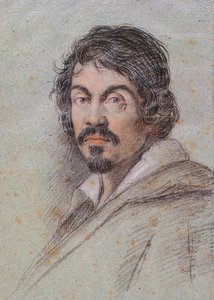
1571 - 1610 , Taliansko

Dive into the high-drama world of Italian Baroque art. Discover how chiaroscuro, intense emotion, and theatrical lighting redefined aesthetics. Explore the visceral power of the Counter-Reformation through a modern lens with expert insights from BuyPopArt.com.


Zostaňte v obraze s najnovšími správami zo sveta umenia, exkluzívnymi ponukami a nápormi na dekoráciu.
Povedzte nám o svojom projekte a naši odborníci na umenie vám pripravia 3 personalizované návrhy umeleckých diel.
Nechajte si od nás vybrať 3 možnosti priamo pre vás – zadarmo!


 Náhľad
 Odoslať
 Zdieľať
 Podrobnosti o dielo

 Stiahnuť
 Podobné diela
 RTG skúška
 Prezentácia


 Zobraziť viac







 Možnosť skla je dostupná len pri rozmeroch pod 110 cm