Olje na platnuStenska umetnostPost-Impressionism
 189919. stoletje
 100.0 x 81.0 cm
Ročno slikano olje na platnu v vaši izbiri velikosti in okvirja, izdelano po naročilu naših umetnikov. ( Switch to Print Preklop na sliko)





























Izberite eno od naših vnaprej določenih velikosti, ki ustrezajo prvotnim proporcijam umetničkega dela.

Svoje dimenzije lahko vnesete tako, da se prilagodite določenemu okvirju ali prostoru. Če izbrana velikost ne ustreza razmerjem originalne slike, bomo umetniško delo obrezali ali sliko dopolnili z dodatnimi ročno naslikanimi elementi. Pred začetkom proizvodnje vam bo poslan digitalni osnutek v odobritev.
Upoštevajte, da predogled na zaslonu ne odraža dejanskega obrezovanja ali podaljšanja. Le osnutek bo natančno prikazal končno kompozicijo.
Čeprav so na voljo velikosti po meri, priporočamo izbiro dimenzije s preddefiniranega seznama, da ohranimo originalne razmere.
Svetska dostava () za 3/4 nedelje umesto uobičajenih 5 nedelja. (5 avgust). Bez kompromisa po pitanju kvaliteta.


Portret Ambroiza Volarda:Okno v Cézanneovo umetniško vizijo – Paul Cézanne je z svojim Portretom Ambroiza Volarda (1899) osvetlil umetnika, ki je pokazal inovativno tehniko česanja in ključnega trenutka moderne umetnosti. Cezannejev pristop k portretiranj
Velikost reprodukcije
Paul Cézanne's 1899 portrait of Ambroise Vollard isn’t merely a likeness; it’s a carefully constructed tableau, a profound meditation on observation, the act of seeing, and the quiet intensity of intellectual engagement. This oil-on-canvas painting, currently residing in the Musée du Petit Palais in France, offers a remarkably intimate glimpse into the world of a pivotal figure in the Parisian art scene – Vollard himself, a shrewd and influential art dealer who played a crucial role in championing the work of numerous artists, including Cézanne. More than just a commission for a patron, it represents a deeply considered exploration by Cézanne of his subject’s character and the very nature of artistic appreciation.
The painting immediately draws the eye to Vollard's posture: seated in a simple chair, hands clasped together as if holding a weighty thought or perhaps a manuscript. His gaze is directed downwards, not at the viewer, but seemingly lost within his own contemplation. This subtle shift in focus—away from direct engagement and towards inward reflection—is central to Cézanne’s strategy. The artist masterfully employs a muted palette of browns, ochres, and greys, punctuated by strategic highlights that draw attention to Vollard's hands and face – areas imbued with a palpable sense of tension and concentration. These aren’t the gestures of a relaxed individual; they speak of an active mind wrestling with ideas, a man deeply immersed in the world of art.
Cézanne's approach to portraiture in this work is distinctly revolutionary for its time. He abandons the traditional conventions of idealized representation, opting instead for a fragmented and deliberately ambiguous style. The painting is characterized by his signature technique: small, repetitive brushstrokes meticulously layered upon one another to build up complex fields of color. This method creates an astonishing sense of depth and texture—a tactile quality that invites the viewer to step closer and examine the intricacies of the surface. It’s as if Cézanne isn't simply painting a portrait; he’s constructing a visual landscape, capturing not just Vollard’s appearance but also the very *process* of seeing.
Notice how Cézanne uses color to suggest form and space. The background figures, rendered with less detail and painted in cooler tones, recede into the distance, creating an illusion of depth that contrasts sharply with the more immediate focus on Vollard’s face. The clock hanging above his head—a seemingly insignificant detail—adds a layer of temporal significance, hinting at the passage of time and the weight of contemplation. It's a subtle yet powerful device, reinforcing the painting's theme of introspection.
Understanding the context surrounding this portrait is crucial to appreciating its significance. Ambroise Vollard was more than just an art dealer; he was a vital conduit for avant-garde movements, actively promoting the work of artists like Cézanne, Gauguin, and Picasso. His gallery in Paris became a hub for artistic innovation, providing a platform for challenging new ideas and styles. Cézanne’s first solo exhibition, organized by Vollard in 1895, was a watershed moment, establishing the artist's reputation and paving the way for his eventual recognition as a major figure in modern art.
The portrait itself can be interpreted as a tribute to Vollard’s role as a champion of Cézanne. By capturing Vollard in this moment of quiet contemplation, Cézanne is not only celebrating his subject but also reflecting on the importance of patronage and the crucial connection between artist and dealer. It's a reciprocal relationship—Vollard providing support and exposure to Cézanne’s work, and Cézanne offering a portrait that encapsulates the essence of Vollard’s character and influence.
The *Portrait of Ambroise Vollard* stands as a testament to Cézanne's groundbreaking approach to painting. His innovative use of color, form, and brushstroke—his deliberate rejection of traditional conventions—laid the foundation for many subsequent artistic movements, including Cubism. Artists like Henri Matisse and Pablo Picasso acknowledged Cézanne’s profound influence on their own work, recognizing his ability to capture the essence of objects while simultaneously pushing the boundaries of representation. This portrait is not simply a depiction of a man; it's a visual manifesto—a declaration of Cézanne’s artistic vision and a pivotal moment in the history of modern art.
Reproductions Available at BuyPopArt.com: For those seeking to own a piece of this artistic legacy, BuyPopArt.com offers meticulously crafted, hand-painted oil painting reproductions of *Portrait of Ambroise Vollard*. Explore our collection and bring this iconic artwork into your home or studio: Paul Cézanne: Portrait of Ambroise Vollard – Paul Cézanne: The Four Seasons, Winter – Vincent Van Gogh: Pine Trees in Front of the Wall of the Asylum
Further Resources:
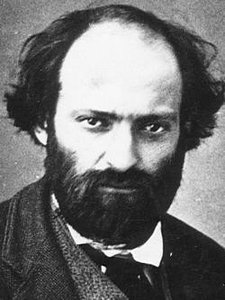
1839 - 1906 , Francija

Explore the profound evolution of art from Impressionism to Post-Impressionism. Discover how masters like Van Gogh revolutionized color and emotion, shaping modern art history through structural innovation and expressive technique.


Bodite na sešte, s najnovejšimi novicami iz sveta umetnosti, ekskluzivnimi ponudbami in idejami za dekoracijo.
Povejte nam o svojem projektu in naši strokovnjaki za umetnost vam bodo pripravili 3 prilagojene predloge umetniških del.
Naj vam izberemo 3 možnosti – popolnoma brezplačno!


 Predogled
 Pošlji
 Deli
Deli
 Podrobnosti o delu

 Prenesi
 Podobni izdelki
 Rentgenski posnetek
 Predvajaj diaporama
 Razviljaj več







 Možnost stekla je na voljo le za velikosti pod 110 cm