Olje na platnuStenska umetnostPost-Impressionism
 186519. stoletje
 59.0 x 76.0 cm
Ročno slikano olje na platnu v vaši izbiri velikosti in okvirja, izdelano po naročilu naših umetnikov. ( Kupi tisk Kupi digitalno sliko)





























Izberite eno od naših vnaprej določenih velikosti, ki ustrezajo prvotnim proporcijam umetničkega dela.

Svoje dimenzije lahko vnesete tako, da se prilagodite določenemu okvirju ali prostoru. Če izbrana velikost ne ustreza razmerjem originalne slike, bomo umetniško delo obrezali ali sliko dopolnili z dodatnimi ročno naslikanimi elementi. Pred začetkom proizvodnje vam bo poslan digitalni osnutek v odobritev.
Upoštevajte, da predogled na zaslonu ne odraža dejanskega obrezovanja ali podaljšanja. Le osnutek bo natančno prikazal končno kompozicijo.
Čeprav so na voljo velikosti po meri, priporočamo izbiro dimenzije s preddefiniranega seznama, da ohranimo originalne razmere.
Svetska dostava () za 3/4 nedelje umesto uobičajenih 5 nedelja. (19 avgust). Bez kompromisa po pitanju kvaliteta.


Živo umetniško izražanje: Paul Cézanneova 'Still Life z žitom in jajčeci'. Ta slika je ključna veja razvoja moderne umetnosti, kjer umetnik ni samo poskušal zajeti trenutnega svetla, ampak je iskal osnovno strukturo predmetov. Živo umetniško izražanje: Pa
Velikost reprodukcije
Paul Cézanne’s “Still Life with Bread and Eggs,” painted in 1865, isn’t merely a depiction of everyday objects; it’s a pivotal moment in the evolution of modern art. More than just a charming arrangement of loaf, eggs, and simple vessels, this work embodies Cézanne's radical departure from academic tradition and his pioneering exploration of form and color – a quiet revolution captured on canvas. Housed within the Cincinnati Art Museum, it stands as a testament to an artist who fundamentally reshaped how we perceive and represent the world around us.
Cézanne’s early work reveals a fascination with the tangible realities of life—a departure from the idealized subjects favored by his predecessors. “Still Life with Bread and Eggs” exemplifies this shift, presenting familiar elements – a rustic loaf, delicate eggs, and humble cups – in a way that feels both intimate and profoundly considered. The composition isn’t about photographic accuracy; instead, Cézanne meticulously dissects each object, isolating its essential shapes and planes. Notice how the bread is rendered not as a single form but as a series of overlapping rectangles, suggesting volume and weight. Similarly, the eggs are depicted with a subtle sense of curvature, hinting at their delicate structure. This deliberate simplification, this rejection of illusionistic depth, was revolutionary for its time.
Cézanne's style in “Still Life with Bread and Eggs” firmly establishes him as a key figure in the transition from Impressionism to Post-Impressionism. While he initially absorbed elements of Impressionistic color theory – particularly the use of broken brushstrokes to capture fleeting light—he soon moved beyond mere observation, seeking instead to define the underlying structure of objects. The painting’s surface is alive with these exploratory brushstrokes, each one a deliberate mark that contributes to the overall sense of solidity and presence. Unlike Impressionists who aimed to capture an immediate impression, Cézanne was interested in capturing the *essence* of his subjects – their form, their weight, their spatial relationships.
Initially, Cézanne’s unconventional approach was met with skepticism and ridicule by contemporary critics who were accustomed to the polished realism of academic art. However, a small circle of fellow artists—including Camille Pissarro and Ambroise Vollard—recognized his genius and championed his work. In 1895, Vollard organized the first solo exhibition of Cézanne’s paintings in Paris, which dramatically shifted public perception. This event marked a turning point, establishing Cézanne as a major artistic innovator.
The influence of Cézanne on subsequent generations of artists is undeniable. Henri Matisse and Pablo Picasso both acknowledged him as “the father of us all,” recognizing his profound impact on their own artistic development. His emphasis on form, color, and spatial relationships laid the groundwork for Cubism, Fauvism, and countless other avant-garde movements. “Still Life with Bread and Eggs” isn’t just a beautiful painting; it's a foundational work that continues to inspire artists today.
At BuyPopArt, we are proud to offer meticulously crafted, hand-painted reproductions of Paul Cézanne’s “Still Life with Bread and Eggs.” These aren't simply prints; they are faithful recreations of the original painting, capturing its subtle nuances, rich textures, and emotional depth. Each reproduction is created by skilled artists who share a deep appreciation for Cézanne’s legacy. Owning a BuyPopArt reproduction allows you to bring this iconic work into your home or office, celebrating the enduring power of art and the genius of Paul Cézanne.
Explore our collection today and discover the perfect way to experience “Still Life with Bread and Eggs” – a timeless masterpiece that continues to resonate with viewers across generations. Browse the Collection
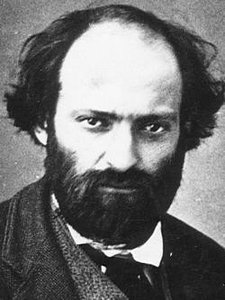
1839 - 1906 , Francija

Explore the profound evolution of art from Impressionism to Post-Impressionism. Discover how masters like Van Gogh revolutionized color and emotion, shaping modern art history through structural innovation and expressive technique.


Bodite na sešte, s najnovejšimi novicami iz sveta umetnosti, ekskluzivnimi ponudbami in idejami za dekoracijo.
Povejte nam o svojem projektu in naši strokovnjaki za umetnost vam bodo pripravili 3 prilagojene predloge umetniških del.
Naj vam izberemo 3 možnosti – popolnoma brezplačno!


 Predogled
 Pošlji
 Deli
Deli
 Podrobnosti o delu

 Prenesi
 Podobni izdelki
 Rentgenski posnetek
 Predvajaj diaporama
 Razviljaj več







 Možnost stekla je na voljo le za velikosti pod 110 cm