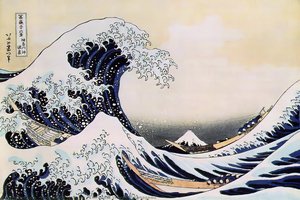
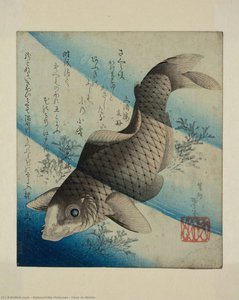
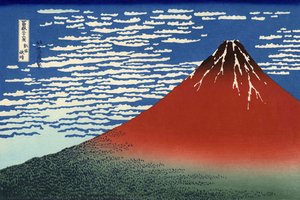
Ročno slikano olje na platnu v vaši izbiri velikosti in okvirja, izdelano po naročilu naših umetnikov. ( Switch to Print Preklop na sliko)





























Izberite eno od naših vnaprej določenih velikosti, ki ustrezajo prvotnim proporcijam umetničkega dela.

Svoje dimenzije lahko vnesete tako, da se prilagodite določenemu okvirju ali prostoru. Če izbrana velikost ne ustreza razmerjem originalne slike, bomo umetniško delo obrezali ali sliko dopolnili z dodatnimi ročno naslikanimi elementi. Pred začetkom proizvodnje vam bo poslan digitalni osnutek v odobritev.
Upoštevajte, da predogled na zaslonu ne odraža dejanskega obrezovanja ali podaljšanja. Le osnutek bo natančno prikazal končno kompozicijo.
Čeprav so na voljo velikosti po meri, priporočamo izbiro dimenzije s preddefiniranega seznama, da ohranimo originalne razmere.
Svetska dostava () za 3/4 nedelje umesto uobičajenih 5 nedelja. (6 avgust). Bez kompromisa po pitanju kvaliteta.


Two Women Playing Hand Puppets Of Noroma And Soroma
Velikost reprodukcije
Katsushika Hokusai, arguably Japan’s most celebrated artist of the Edo period (1760-1849), transcends mere printmaking; he embodies a profound understanding of visual storytelling and cultural symbolism. “Two Women Playing Hand Puppets Of Noroma And Soroma,” created circa 1800, isn't simply a depiction of an everyday scene—it’s a carefully crafted tableau that speaks volumes about Japanese aesthetics and societal values.
The painting portrays two women engaged in the artful practice of hand puppetry before a gathering of onlookers. The woman on the left cradles a baby, symbolizing nurturing and familial devotion—a motif prevalent throughout Edo-era Japanese art. Her movements are graceful, conveying poise and composure as she manipulates her puppet. The scene exudes tranquility, reflecting the Zen Buddhist influence that permeated artistic sensibilities during this time.
Executed in the traditional *surimono* format—a type of single-sheet print favored for its exquisite detail—the artwork exemplifies Hokusai’s unparalleled skill as a woodblock printer. The meticulous carving process ensured exceptional tonal gradation, capturing subtle nuances of light and shadow with remarkable precision. Vibrant inks, combined with metallic pigments like gold leaf, lend an opulent sheen to the composition, elevating it beyond mere representation.
Hand puppets themselves hold significant symbolic weight in Japanese culture. They represent illusion and transformation—a deliberate contrast to reality—and are often used in theatrical performances to convey moral lessons or celebrate auspicious occasions. In “Two Women Playing Hand Puppets Of Noroma And Soroma,” the puppets serve as a conduit for storytelling, inviting contemplation on themes of tradition, femininity, and artistic expression.
The Edo period witnessed an unprecedented surge in artistic creativity across various disciplines—painting, sculpture, ceramics, and textiles. Hokusai’s work stands as a testament to this era's intellectual curiosity and its embrace of diverse influences, including Western art forms. “Two Women Playing Hand Puppets Of Noroma And Soroma” embodies the Edo aesthetic – refined elegance combined with profound spiritual depth—a legacy that continues to inspire artists and collectors worldwide.
Ultimately, Hokusai’s masterpiece succeeds in capturing a moment of serene beauty—a snapshot of daily life imbued with symbolic resonance. The painting's delicate coloration and meticulous detail evoke feelings of calm contemplation and admiration for the artistry of its creator. It serves as an enduring reminder that even seemingly simple subjects can convey complex ideas and emotions, cementing Hokusai’s place among Japan’s artistic giants.

1760 - 1849 , Japan
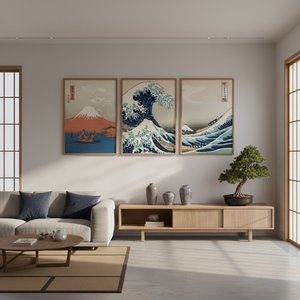
Journey through Katsushika Hokusai’s 25 most iconic artworks, including *The Great Wave*. Explore the ukiyo-e master's history, style & timeless Japanese woodblock prints. Find museum-quality reproductions for your home at BuyPopArt.com.

Explore the life & art of Rosa Bonheur, a pioneering Realist painter who redefined women's roles in 19th-century France. Discover her iconic animal paintings and lasting influence on art history. Learn more at BuyPopArt.

Odkrijte kakovostne digitalne reprodukcije umetnin po naročilu! Ročno poslikane slike, vrhunska tehnologija tiskanja in strokovno svetovanje. Ohranite lepoto umetnosti za vedno.

Ustvarite svoj edinstveni dom z BuyPopArt! Ročno poslikane reprodukcije znanih slik in personalizirani portreti po fotografiji. Vrhunska kakovost, zaupanja vredna storitev & umetnost brezčasne vrednosti.

Explore the captivating world of Tōshūsai Sharaku, the enigmatic Edo period ukiyo-e master. Discover his iconic Kabuki actor portraits and unravel the mystery behind this fleeting artistic genius. Learn about his unique style & lasting legacy.


Bodite na sešte, s najnovejšimi novicami iz sveta umetnosti, ekskluzivnimi ponudbami in idejami za dekoracijo.
Povejte nam o svojem projektu in naši strokovnjaki za umetnost vam bodo pripravili 3 prilagojene predloge umetniških del.
Naj vam izberemo 3 možnosti – popolnoma brezplačno!


 Predogled
 Pošlji
 Deli
Deli
 Podrobnosti o delu

 Prenesi
 Podobni izdelki
 Rentgenski posnetek
 Predvajaj diaporama
 Razviljaj več







 Možnost stekla je na voljo le za velikosti pod 110 cm