

Ručno oslikano uljanim bojama na platnu u dimenzijama i okviru po vašem izboru, izrađeno po porudžbini od strane naših umetnika. ( Pređi na štampu Prebacite na sliku)





























Izaberite jednu od naših unapred definisanih veličina koje odgovaraju originalnim proporcijama umetničkog dela.

Можете унети сопствене димензије како бисте прилагодили дело одређеном оквиру или простору. Ако одабрана величина не одговара пропорцијама оригинала, слика ће бити исечена или проширена додатним елементима који се ручно насликавају. Дигитални prikaz ће вам бити послат на одобрење пре почетка производње.
Имајте на уму да преглед на екрану не одражава стварно исецање или проширење. Само приказ (mockup) ће тачно приказати коначну композицију.
Иако су доступне прилагођене величине, препоручујемо да одаберете димензију из дефинисане листе како бисте сачували оригиналне пропорције.
Isporuka širom sveta () za 3/4 nedelje umesto uobičajenih 5 nedelja. (10 август). Bez kompromisa po pitanju kvaliteta.


Sigmund Freud, 1932
Dimenzije reprodukcije
Edward Hopper (July 22, 1882 – May 15, 1967) remains one of America’s most enduring and enigmatic figures in art. More than just a painter, he was a keen observer of modern life, capturing moments of quiet contemplation, urban isolation, and the subtle beauty found within the commonplace. Born in Nyack, New York – a town steeped in maritime history – Hopper's artistic journey began with a formal education at the New York School of Art under the tutelage of William Merritt Chase and Robert Henri, both influential figures in the American art scene. These early influences shaped his approach to depicting reality, emphasizing form, light, and shadow, while simultaneously fostering a desire to portray the emotional complexities of human experience.
Hopper’s artistic development wasn't immediate or straightforward. Initially drawn to illustration, he experimented with various styles before finding his distinctive voice. His early works, often depicting scenes from New York City, hinted at the themes that would later define his career: loneliness, alienation, and the interplay between individuals within a rapidly changing society. Crucially, Hopper’s artistic trajectory was profoundly influenced by Edgar Degas and Édouard Manet, whose innovative compositions and explorations of modern urban life served as models for his own approach to capturing fleeting moments and conveying underlying moods.
Hopper's paintings are instantly recognizable for their stark realism combined with a pervasive sense of melancholy. He rarely depicted grand narratives or dramatic events; instead, he focused on intimate scenes—a solitary diner at night, an empty street corner, a couple lost in thought—that evoked a powerful feeling of isolation and introspection. His masterful use of light and shadow played a critical role in establishing this mood, often employing strong contrasts to highlight the emptiness and silence within his compositions.
A key element of Hopper’s technique was his meticulous attention to detail, particularly in rendering architectural spaces. He meticulously observed the geometry of buildings, the patterns of windows, and the way light filtered through them, creating a sense of realism that grounded his scenes in specific locations. Furthermore, he frequently employed cropped compositions, drawing the viewer into the scene and emphasizing its spatial limitations—a technique that amplified the feeling of confinement and solitude.
Notable works like *Nighthawks* (1942) exemplify this approach perfectly. The painting’s stark lighting, isolated figures, and expansive urban backdrop create a powerful sense of unease and alienation, inviting viewers to contemplate the lives and experiences of those within the scene. Similarly, paintings such as *Automat* (1927) and *Office in a Small City* (1938) capture the quiet desperation of modern American life, portraying individuals trapped within their routines and disconnected from one another.
Edward Hopper’s personal life was inextricably linked to his art. He married Josephine Nivison in 1923, a fellow artist who served as his muse, model, and confidante. Their shared love of New England—particularly the coastal towns of Cape Cod—provided a constant source of inspiration for his paintings. The stark beauty of the landscape, the rhythmic crash of waves, and the quiet solitude of rural life all found their way into his work.
Despite achieving considerable recognition during his lifetime, Hopper remained a private and introspective individual. He deliberately avoided publicity and rarely discussed his artistic intentions, preferring to let his paintings speak for themselves. His commitment to capturing authentic moments of American experience—both the beauty and the loneliness—solidified his place as one of America’s most important artists.
Edward Hopper's influence on 20th-century art is undeniable. His distinctive style—characterized by its realism, isolation, and evocative use of light—has inspired countless artists across a wide range of mediums. His paintings continue to resonate with viewers today because they tap into universal themes of loneliness, alienation, and the search for meaning in an increasingly complex world.
Beyond his artistic achievements, Hopper’s work offers a valuable glimpse into the social and cultural landscape of America during the early 20th century. His paintings capture the spirit of a nation undergoing rapid transformation—the rise of industrialization, urbanization, and mass culture—while simultaneously exploring the enduring human need for connection and belonging. Hopper's legacy endures not only through his iconic images but also as a reminder of the power of art to illuminate the complexities of the human condition.

1882 - 1940 , Germany

Explore photography's pivotal role in shaping modern & contemporary art. Discover key movements, influential artists like Stieglitz, and expert collecting advice from BuyPopArt.

Otkrijte trajni šarm starinskih umetničkih dela! BuyPopArt nudi visokokvalitetne reprodukcije, personalizovane slike i stručne konsultacije. Učinite umetnost dostupnom u vašem domu ili poslovnom prostoru.
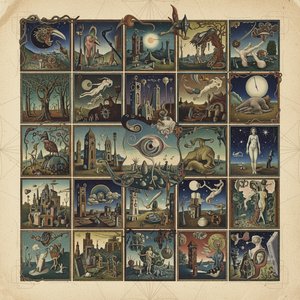
Istražite 25 remek-dela Maksa Ernsta, ikona surrealizma. Otkrijte priče iza apstraktnih slika, inovativnih tehnika i psiholoških vizija ovog nemačkog umetnika. Kupite reprodukcije vrhunskog kvaliteta za dekoraciju enterijera na BuyPopArt.com!

Претворите драге успомене у надреалистичка дела уметности уз BuyPopArt! Ручно сликање, врхунски квалитет и персонализовани приступ. Инвестирајте у трајно наслеђе – поручите своју репродукцију данас!
Explore the captivating world of vintage art prints! Discover their history, collecting tips & enduring appeal. Expert insights on chromolithography and building a legacy collection with BuyPopArt.


Budite u toku sa najnovijim vestima o umetnosti, ekskluzivnim ponudama i idejama za dekoraciju.
Recite nam o vašem projektu i naši stručnjaci za umetnost će vam pružiti 3 personalizovana predloga umetničkih dela.
Dozvolite nam da odaberemo 3 opcije specijalno za Vas - Besplatno!


 Pregledaj u prostoru
 Pošalji
 Podeli
 Detalji o delu

 Преузми
 Slični predmeti
 Rendgenski snimak
 Slajdovi


 Pročitaj više







 Opcija sa staklom dostupna je samo za dimenzije manje od 110 cm


