Ručno oslikano uljanim bojama na platnu u dimenzijama i okviru po vašem izboru, izrađeno po porudžbini od strane naših umetnika. ( Kupi print Kupi digitalnu sliku)





























Izaberite jednu od naših unapred definisanih veličina koje odgovaraju originalnim proporcijama umetničkog dela.

Можете унети сопствене димензије како бисте прилагодили дело одређеном оквиру или простору. Ако одабрана величина не одговара пропорцијама оригинала, слика ће бити исечена или проширена додатним елементима који се ручно насликавају. Дигитални prikaz ће вам бити послат на одобрење пре почетка производње.
Имајте на уму да преглед на екрану не одражава стварно исецање или проширење. Само приказ (mockup) ће тачно приказати коначну композицију.
Иако су доступне прилагођене величине, препоручујемо да одаберете димензију из дефинисане листе како бисте сачували оригиналне пропорције.
Isporuka širom sveta () za 3/4 nedelje umesto uobičajenih 5 nedelja. (15 август). Bez kompromisa po pitanju kvaliteta.


Omori
Dimenzije reprodukcije
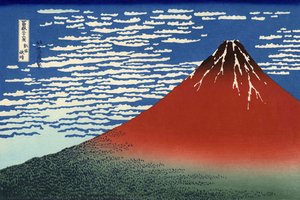
Katsushika Hokusai’s *Omori* stands as a testament to the enduring power of Japanese landscape painting—specifically, *hokusa*, or “mountain prints”—a genre that flourished during Edo period Japan (1603-1868). More than just a depiction of Mount Fuji, this artwork embodies a profound meditation on impermanence and beauty found within nature’s cyclical rhythms. Created around 1830-32, it exemplifies Hokusai's masterful command of *ukiyo-e*, woodblock printing techniques that revolutionized visual art and disseminated images widely throughout society.
Subject Matter: The print portrays a serene vista featuring Mount Fuji dominating the horizon amidst lush greenery. A river winds its way through the lower portion of the composition, reflecting the mountain’s majesty. This carefully crafted scene aims to capture not merely what is seen but also what is felt—a connection to the natural world that speaks to the human spirit.
Style & Technique: Hokusai employed *hokusa*, utilizing Prussian blue pigment—a revolutionary import from Europe—to achieve unparalleled tonal depth and luminosity. The artist meticulously carved a woodblock matrix with astonishing precision, ensuring that each line captures subtle nuances of light and shadow. This painstaking process resulted in prints characterized by exceptional detail and textural richness. The deliberate use of Prussian blue distinguishes *Omori* from earlier landscape depictions, signaling Hokusai’s embrace of Western artistic innovations.
Historical Context: *Omori* emerged during a period of significant artistic experimentation and cultural exchange. Japan was actively engaging with European influences—particularly in science and art—and Hokusai's fascination with these new pigments and printing methods reflects this broader intellectual current. The print served as part of Hokusai’s ambitious series “Thirty-Six Views of Mount Fuji,” intended to capture the mountain in diverse weather conditions—a bold departure from traditional depictions focused solely on idealized representations.
Symbolism: Beyond its aesthetic beauty, *Omori* carries symbolic weight. The towering Mount Fuji represents stability and permanence amidst the ephemeral nature of earthly existence – a core concept within Buddhist philosophy prevalent during Hokusai’s era. The flowing river symbolizes the passage of time and the continuous renewal of life, mirroring the cyclical patterns observed in the natural world. These elements combine to convey a message of acceptance and appreciation for the transient beauty of all things.
Emotional Impact: Viewing *Omori* evokes a feeling of contemplative calm—a desire to absorb the grandeur of nature and appreciate its fleeting splendor. Hokusai’s masterful rendering captures not only visual accuracy but also an emotional resonance that transcends time, inviting viewers to contemplate the beauty and fragility of existence.
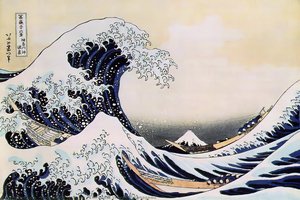
Further Exploration: To truly understand Hokusai's artistic vision, consider examining his other celebrated works, including “The Great Wave off Kanagawa” and numerous landscapes depicting coastal scenes. These prints continue to inspire artists and collectors alike, cementing Hokusai’s place as one of Japan’s greatest masters.

1760 - 1849 , Јапан

Find serenity with 10 calming masterpieces by Monet, Van Gogh & more. Explore art history, color palettes & emotional impact. Museum-quality reproductions for peaceful home decor at . Discover all masterpieces on !
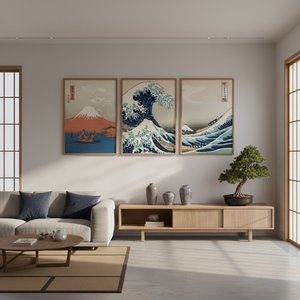
Uronite u svet Katsushike Hokusaija! Otkrijte 25 remek-dela japanskog umetnika, uključujući čuveni 'Veliki talas'. Ukiyo-e štampe, pejzaži i istorija iza svakog dela. Pronađite inspiraciju za dekor enterijera i kupite reprodukcije slika vrhunskog kvaliteta na BuyPopArt.com.

Find serenity with our Top 10 tranquil artworks! Explore masterpieces by Monet, Van Gogh & more. Discover the stories behind calming Impressionist landscapes and peaceful Japanese art. Museum-quality reproductions at .

Find serenity with our Top 10 calming artworks! Explore masterpieces by Monet, Van Gogh & Klimt – Impressionism, landscapes & emotional art for your home. Museum-quality reproductions at . Discover the full collection online.

Explore the life & art of Ando Hiroshige, Japan's last great ukiyo-e master. Discover his iconic landscapes, poetic style, and profound influence on Western Impressionism. Learn about The Fifty-Three Stations & more!


Budite u toku sa najnovijim vestima o umetnosti, ekskluzivnim ponudama i idejama za dekoraciju.
Recite nam o vašem projektu i naši stručnjaci za umetnost će vam pružiti 3 personalizovana predloga umetničkih dela.
Dozvolite nam da odaberemo 3 opcije specijalno za Vas - Besplatno!


 Pregledaj u prostoru
 Pošalji
 Podeli
 Detalji o delu

 Преузми
 Slični predmeti
 Rendgenski snimak
 Slajdovi
 Pročitaj više







 Opcija sa staklom dostupna je samo za dimenzije manje od 110 cm