Ručno oslikano uljanim bojama na platnu u dimenzijama i okviru po vašem izboru, izrađeno po porudžbini od strane naših umetnika. ( Pređi na štampu Prebacite na sliku)





























Izaberite jednu od naših unapred definisanih veličina koje odgovaraju originalnim proporcijama umetničkog dela.

Можете унети сопствене димензије како бисте прилагодили дело одређеном оквиру или простору. Ако одабрана величина не одговара пропорцијама оригинала, слика ће бити исечена или проширена додатним елементима који се ручно насликавају. Дигитални prikaz ће вам бити послат на одобрење пре почетка производње.
Имајте на уму да преглед на екрану не одражава стварно исецање или проширење. Само приказ (mockup) ће тачно приказати коначну композицију.
Иако су доступне прилагођене величине, препоручујемо да одаберете димензију из дефинисане листе како бисте сачували оригиналне пропорције.
Isporuka širom sveta () za 3/4 nedelje umesto uobičajenih 5 nedelja. (9 август). Bez kompromisa po pitanju kvaliteta.


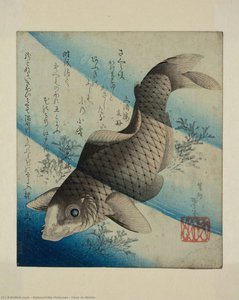
Lingering Snow For Azuma And Yohei
Dimenzije reprodukcije
Katsushika Hokusai, a titan of Edo-period Japanese art, transcends mere printmaking; he captured the ephemeral beauty of nature with an unparalleled sensitivity that continues to inspire artists and collectors alike. "Lingering Snow for Azuma and Yohei," part of his monumental series “Eight Views of Tragic Lovers,” exemplifies this mastery—a deceptively simple composition brimming with layered meaning and reflecting the profound influence of Romanticism on Western art.
The artwork portrays two women seated together on a bench beneath a snowfall landscape. Their embrace speaks volumes about companionship and intimacy, capturing a tender moment amidst the stark grandeur of winter. This serene tableau embodies the core tenets of *hokkei*, or “idyllic landscape,” where meticulous detail blends seamlessly with atmospheric perspective—a technique perfected by Hokusai to convey both visual splendor and emotional depth.
Executed in Hokusai’s signature woodblock print style—known for its bold outlines and vibrant colors achieved through Prussian blue pigment—the piece adheres to the conventions of Japanese Scenic Art. The artist skillfully renders the snow-covered hillside, conveying a sense of stillness and tranquility. Each brushstroke contributes to an overall impression of contemplative beauty.
Produced in 1798 during Hokusai’s prolific output—a period marked by experimentation and stylistic shifts—the print reflects the burgeoning interest in European Romanticism within Japan. Artists like Hiroshige were captivated by Hokusai's ability to evoke emotion through landscape imagery, mirroring the Romantic preoccupation with sublime beauty and confronting mortality.
The symbolism embedded within “Lingering Snow” resonates deeply with Japanese Buddhist philosophy. The snow itself symbolizes purity, renewal, and contemplation—themes central to Zen Buddhism’s pursuit of enlightenment. Furthermore, the embrace of the two women represents resilience and enduring affection, suggesting a steadfast connection amidst life’s vicissitudes.
Hokusai's masterful use of color and composition creates an immersive experience for the viewer. The muted blues and whites dominate the palette, fostering a mood of serene melancholy—a feeling that resonates deeply with the Romantic tradition’s exploration of emotion and imagination. This delicate tonal balance underscores Hokusai’s artistic vision: to capture not just what is seen but also what is felt.
"Lingering Snow for Azuma and Yohei" isn't merely a depiction of a winter scene; it’s a distillation of artistic genius—a testament to Hokusai’s enduring legacy as one of Japan’s greatest artists. Its timeless beauty continues to captivate audiences worldwide, cementing its place among the most iconic images of Japanese art.

1760 - 1849 , Јапан
Uronite u svet Katsushike Hokusaija! Otkrijte 25 remek-dela japanskog umetnika, uključujući čuveni 'Veliki talas'. Ukiyo-e štampe, pejzaži i istorija iza svakog dela. Pronađite inspiraciju za dekor enterijera i kupite reprodukcije slika vrhunskog kvaliteta na BuyPopArt.com.

Explore the life & art of Ando Hiroshige, Japan's last great ukiyo-e master. Discover his iconic landscapes, poetic style, and profound influence on Western Impressionism. Learn about The Fifty-Three Stations & more!

Explore the captivating world of Tōshūsai Sharaku, the enigmatic Edo period ukiyo-e master. Discover his iconic Kabuki actor portraits and unravel the mystery behind this fleeting artistic genius. Learn about his unique style & lasting legacy.

Explore 10 famous snow paintings by Monet, Degas & more! Discover the stories behind these serene winter landscapes and iconic artworks. Find museum-quality art reproductions for your home at BuyPopArt.com.

Journey into Japan's 'Floating World'! Explore 10 Ukiyo-e masterpieces by Hokusai, Hiroshige & more. Discover the stories behind these iconic woodblock prints and bring timeless Japanese art to your home with BuyPopArt.com. Explore the full collection online.


Budite u toku sa najnovijim vestima o umetnosti, ekskluzivnim ponudama i idejama za dekoraciju.
Recite nam o vašem projektu i naši stručnjaci za umetnost će vam pružiti 3 personalizovana predloga umetničkih dela.
Dozvolite nam da odaberemo 3 opcije specijalno za Vas - Besplatno!


 Pregledaj u prostoru
 Pošalji
 Podeli
 Detalji o delu

 Преузми
 Slični predmeti
 Rendgenski snimak
 Slajdovi
 Pročitaj više







 Opcija sa staklom dostupna je samo za dimenzije manje od 110 cm