

 Panel Üzerine Yağlı BoyaEarly Renaissance
 1526Rönesans
 146.0 x 102.0 cm
Sanatçılarımız tarafından sipariş üzerine hazırlanan; istediğiniz boyut ve çerçevede, tuval üzerine el boyaması yağlı boya. ( Baskıya Geç Görsele Geç)





























Eserin orijinal oranlarıyla uyumlu, önceden belirlenmiş boyutlarımız arasından seçim yapın.

Belirli bir çerçeveye veya alana uyması için kendi boyutlarınızı girebilirsiniz. Seçtiğiniz boyut orijinal görüntünün oranlarıyla eşleşmiyorsa, sanat eserini kırparak veya ek el boyaması öğelerle resmi uzatarak ayarlayacağız. Üretim başlamadan önce onayınız için dijital bir taslak gönderilecektir.
Lütfen ekrandaki önizlemenin gerçek kırpmayı veya uzatmayı yansıtmadığını unutmayın. Nihai kompozisyonu yalnızca hazırlanan taslak doğru şekilde gösterecektir.
Özel boyutlar mevcut olsa da, orijinal oranları korumak adına önceden tanımlanmış listeden bir boyut seçmenizi öneririz.
Dünya Çapında Teslimat (); standart 5 hafta yerine 3/4 haftada. (9 Ağustos). Kaliteden ödün verilmez.


Meyer Madonna (aynı zamanda Darmstadt Madonna'ı) - Hans Holbein the Younger tarafından 1526'da yaratılmış, Kuzey Rönesansı tarzında dini bir tablodur. Bu eser, dini sembolizm, gerçekçilik ve kutsal güzelliği bir araya getirerek, Madonna ve Çocuğu temasıyl
Reproduksiyon Boyutu
The Meyer Madonna, also known as the Darmstadt Madonna, is more than just a painting; it's a meticulously crafted testament to faith and artistic skill, a masterpiece created by the renowned German artist Hans Holbein the Younger in 1526. This iconic work of Northern Renaissance art offers a profound glimpse into the spiritual heart of its time, showcasing the delicate balance between realism and symbolic representation that defined this pivotal era.
Painted during a period of significant religious transition – the early 16th century saw the rise of Protestantism alongside the continued strength of Catholic traditions – the ‘Meyer Madonna’ embodies the enduring power of Christian devotion. Holbein, deeply influenced by both Italian Renaissance ideals and the more restrained naturalism of Northern European art, produced a work that is simultaneously grand in scale and intimately personal in its emotional impact. The painting's creation reflects a desire to capture not just the physical likeness of Mary and Jesus, but also their spiritual essence – a core tenet of Renaissance religious thought.
The artwork’s remarkable quality stems from Holbein’s masterful command of oil painting on wood panel. This technique allowed for an unprecedented level of detail, color nuance, and textural richness. Observe the subtle gradations in Mary's robes – achieved through layers of translucent glazes – or the delicate rendering of Jesus’ infant features. The artist employed a ‘sfumato’ effect, softening outlines and creating atmospheric depth, a hallmark of Renaissance painting that adds to the scene’s ethereal quality.
The composition itself is carefully balanced, reflecting the principles of harmony and proportion central to Renaissance design. The figures are arranged in a pyramidal structure, drawing the viewer's eye towards the central Madonna and Child. Notice how Holbein uses light – diffused and warm – to illuminate the scene, creating a sense of sacred radiance that elevates the subject matter beyond mere representation.
Every element within the ‘Meyer Madonna’ is laden with symbolic meaning. The crown adorning Mary's head signifies her divine status as Queen of Heaven, while the rosary she holds represents her role as intercessor and mediator between humanity and God. The semi-abstract halo behind Mary – a fan-shaped design – is a common motif in Renaissance art, symbolizing divine light and grace. The surrounding figures, likely representing saints or angels, further reinforce the painting’s sacred narrative.
Beyond these overt symbols, Holbein subtly incorporates elements of naturalism, reflecting the Renaissance fascination with observing and understanding the world around them. The lush landscape – a carefully constructed representation of paradise – adds depth and perspective to the scene, grounding the divine figures in a tangible reality. The meticulous detail of the clothing, the textures of the fabrics, and even the expressions on the faces of the figures all contribute to the painting’s overall sense of realism and emotional impact.
The ‘Meyer Madonna’ remains a powerful testament to the enduring legacy of Renaissance art. Its beauty transcends time, offering viewers an opportunity for contemplation, reverence, and spiritual connection. Whether displayed in a private collection or incorporated into a grand interior space, this artwork serves as a reminder of humanity's timeless quest for meaning and beauty – a truly exceptional piece that continues to inspire awe and wonder centuries after its creation.
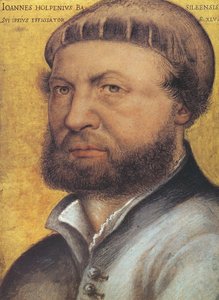
1497 - 1543 , Almanya

Explore the life & art of Hans Holbein the Younger, a Renaissance master renowned for his strikingly realistic portraits and psychological insight. Discover iconic works like 'The Ambassadors' and delve into his lasting legacy.

Explore the breathtaking precision of Hans Holbein the Younger. From Tudor royal portraits to intricate Northern Renaissance details, discover the mastery behind his legendary works and learn how to bring this historical grandeur into your collection with museum-quality reproductions.

Kuzey Rönesansı'nın en etkileyici 10 başyapıtını keşfedin! Van Eyck, Dürer gibi ustaların eserleriyle sanat tarihine yolculuk edin. Evinizi benzersiz sanatla süsleyin. BuyPopArt.com'da tüm koleksiyonu inceleyin.

Explore the rich history of faith through art! Discover religious symbolism, Renaissance masterpieces & iconic artists. Expert analysis for collectors & enthusiasts. Learn more at BuyPopArt.

Explore the life & work of Henri Meyer (1841-1899), a pivotal French illustrator renowned for his collaborations with Jules Verne and incisive political caricatures. Discover his unique style & lasting influence.


En son sanat haberlerinden, özel tekliflerden ve dekorasyon fikirlerinden haberdar olun.
Projenizden bize bahsedin; sanat uzmanlarımız size özel 3 sanat eseri önerisi sunsun.
Size Özel 3 Seçeneği Ücretsiz Olarak Hazırlayalım!


 Paylaş
 Paylaş
 Detayları Gör

 İndir
İndir
 Benzerlerini gör
 Slayt Gösterisi
 Tümünü Gör







 Cam seçeneği yalnızca 110 cm altındaki boyutlar için mevcuttur.


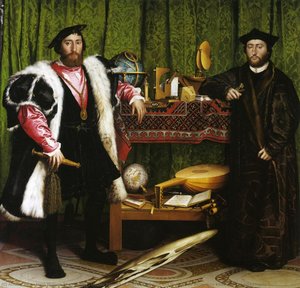
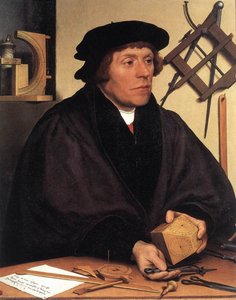


![Jean de Dinteville ve Georges de Selve'nin Çift Portresi (diğer adıyla Elçiler) [detay]](/media/artworks/images/thumbnails/23/11/2311efb8202f4a2ea763c4d4a9227550.jpg)


