Tuval Üzerine Yağlı BoyaDuvar Sanatıİkinci Ekspresyonizm
 1909Modern
 109.0 x 109.0 cm
Sanatçılarımız tarafından sipariş üzerine hazırlanan; istediğiniz boyut ve çerçevede, tuval üzerine el boyaması yağlı boya. ( Baskıya Geç Görsele Geç)





























Eserin orijinal oranlarıyla uyumlu, önceden belirlenmiş boyutlarımız arasından seçim yapın.

Belirli bir çerçeveye veya alana uyması için kendi boyutlarınızı girebilirsiniz. Seçtiğiniz boyut orijinal görüntünün oranlarıyla eşleşmiyorsa, sanat eserini kırparak veya ek el boyaması öğelerle resmi uzatarak ayarlayacağız. Üretim başlamadan önce onayınız için dijital bir taslak gönderilecektir.
Lütfen ekrandaki önizlemenin gerçek kırpmayı veya uzatmayı yansıtmadığını unutmayın. Nihai kompozisyonu yalnızca hazırlanan taslak doğru şekilde gösterecektir.
Özel boyutlar mevcut olsa da, orijinal oranları korumak adına önceden tanımlanmış listeden bir boyut seçmenizi öneririz.
Dünya Çapında Teslimat (); standart 5 hafta yerine 3/4 haftada. (8 Ağustos). Kaliteden ödün verilmez.


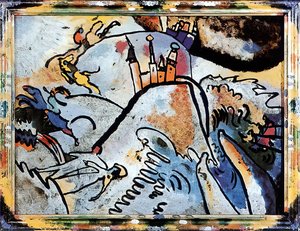
A Mountain
Reproduksiyon Boyutu
Wassily Wassilyevich Kandinsky stands as a monumental figure in the history of modern art, and his 1909 painting, *A Mountain*, isn't merely a visual spectacle; it’s a profound statement about artistic innovation and the pursuit of spiritual expression. Born December 4, 1866, in Moscow, Russia, Kandinsky embarked on an unconventional path toward creativity—initially destined for law and economics—before being irrevocably captivated by Impressionist painting, specifically Claude Monet's “Haystacks,” and profoundly moved by Wagner’s opera "Lohengrin." This transformative encounter propelled him beyond formal training into a realm of artistic experimentation that would redefine the boundaries of visual art.
Contrary to conventional expectations, *A Mountain* eschews a straightforward depiction of a landscape. Instead, it presents a dynamic tableau featuring three figures positioned atop a stylized mountain form. Two umbrellas subtly suggest human presence—a gesture of shelter perhaps—but these elements are rendered with deliberate simplification prioritizing emotional resonance over precise realism. The composition is striking; the viewer perceives themselves elevated above the scene, gazing downwards upon these figures, fostering a sense of distance yet simultaneously intimate connection. This perspective contributes significantly to the painting’s overarching feeling of movement and dynamism.
*A Mountain* embodies the core tenets of Expressionism—a movement born from reaction against academic conventions and fueled by a desire to convey inner experience. Kandinsky employs bold, vibrant hues alongside geometric shapes and energetic brushstrokes. The paint application is loose and gestural, characterized by visible texture that amplifies the artwork’s tactile quality. This technique isn't about mirroring reality; it’s about channeling emotion directly onto the canvas—a deliberate departure from representational art.
Created in 1909, *A Mountain* occupies a crucial juncture within art history. Kandinsky's influences extended beyond Monet and Wagner; he was deeply impacted by Theosophy—a spiritual philosophy emphasizing unity and interconnectedness—and Anton Ažbe, whose teachings encouraged him to explore non-objective art forms. This period witnessed the burgeoning Expressionist movement across Europe, challenging established artistic norms and advocating for a new aesthetic rooted in subjective feeling. Kandinsky’s pioneering work would become foundational to abstract art, inspiring subsequent generations of artists like Arshile Gorky, Jackson Pollock, and Mark Rothko—artists who similarly sought to transcend representational limitations.
The symbolism embedded within *A Mountain* invites contemplation. The mountain itself symbolizes aspiration, challenge, or the sublime grandeur of nature – concepts central to Kandinsky’s artistic vision. The figures—rendered in simplified geometric forms—represent humanity's relationship with these forces, embodying vulnerability alongside resilience. More fundamentally, Kandinsky believed that color possessed inherent spiritual qualities; he associated specific hues with particular emotions, aiming to craft a visual language capable of bypassing rational thought and communicating directly with the soul. *A Mountain* evokes feelings of energy, movement, and perhaps even longing—a testament to Kandinsky’s unwavering commitment to conveying profound emotional depth.
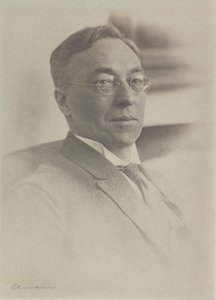
1866 - 1944 , Rusya

Discover the power of Neo-Abstract art. Explore how bold geometric forms and high-impact visual energy are redefining modern design. Learn to curate sophisticated, high-energy spaces with the latest trends in contemporary abstraction and structural color.

Discover the high-impact world of Geometric Abstraction. From Cubist roots to modern urban trends, explore how bold shapes and colors redefine contemporary design. Elevate your space with expert art insights and custom-made abstract masterpieces.

Master the high-impact world of contemporary abstraction. Discover how bold colors, textures, and modern movements like Abstract Expressionism can transform your space with premium, high-energy art curated for the design-conscious professional.


En son sanat haberlerinden, özel tekliflerden ve dekorasyon fikirlerinden haberdar olun.
Projenizden bize bahsedin; sanat uzmanlarımız size özel 3 sanat eseri önerisi sunsun.
Size Özel 3 Seçeneği Ücretsiz Olarak Hazırlayalım!


 Önizleme yap
 Paylaş
 Paylaş
 Detayları Gör

 İndir
İndir
 Benzerlerini gör
 X-Işını
 Slayt Gösterisi
 Tümünü Gör







 Cam seçeneği yalnızca 110 cm altındaki boyutlar için mevcuttur.