Tuval Üzerine Yağlı BoyaDuvar SanatıImpressionist Painting
 187519. Yüzyıl
 117.0 x 82.0 cm
Sanatçılarımız tarafından sipariş üzerine hazırlanan; istediğiniz boyut ve çerçevede, tuval üzerine el boyaması yağlı boya. ( Baskıya Geç Görsele Geç)





























Eserin orijinal oranlarıyla uyumlu, önceden belirlenmiş boyutlarımız arasından seçim yapın.

Belirli bir çerçeveye veya alana uyması için kendi boyutlarınızı girebilirsiniz. Seçtiğiniz boyut orijinal görüntünün oranlarıyla eşleşmiyorsa, sanat eserini kırparak veya ek el boyaması öğelerle resmi uzatarak ayarlayacağız. Üretim başlamadan önce onayınız için dijital bir taslak gönderilecektir.
Lütfen ekrandaki önizlemenin gerçek kırpmayı veya uzatmayı yansıtmadığını unutmayın. Nihai kompozisyonu yalnızca hazırlanan taslak doğru şekilde gösterecektir.
Özel boyutlar mevcut olsa da, orijinal oranları korumak adına önceden tanımlanmış listeden bir boyut seçmenizi öneririz.
Dünya Çapında Teslimat (); standart 5 hafta yerine 3/4 haftada. (10 Ağustos). Kaliteden ödün verilmez.


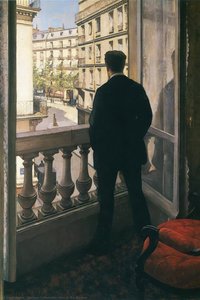
Man at the Window
Reproduksiyon Boyutu
Gustave Caillebotte’s “Man at the Window,” completed in 1875, stands as a pivotal work bridging Realism and Impressionism—a testament to his artistic vision during a transformative period in Parisian history. More than just a depiction of a man gazing out from a balcony, it's an exploration of solitude, contemplation, and the subtle anxieties inherent in navigating a rapidly modernizing cityscape.
Created during Baron Haussmann’s ambitious urban renewal project—a monumental undertaking reshaping Paris into a grand boulevard city—the painting reflects the anxieties accompanying this rapid transformation. The boulevards symbolize progress and modernity, yet simultaneously hint at alienation within an increasingly impersonal environment. Caillebotte's gaze isn’t directed outward toward nature; instead, he observes the cityscape from within, mirroring the broader societal shifts of his time.
“Man at the Window” transcends mere visual description; it communicates a palpable sense of melancholy and contemplation. The man’s posture—slightly slumped, gazing intently out the window—suggests a yearning for something beyond the confines of his immediate surroundings. Caillebotte's deliberate use of color – muted browns and grays punctuated by warmer tones – reinforces this emotional resonance.
Gustave Caillebotte's “Man at the Window” remains an exceptional achievement in Impressionist art – a captivating glimpse into the psychological landscape of 19th-century Paris and a masterful exploration of human experience. Its enduring legacy lies not only in its technical brilliance but also in its ability to evoke profound emotions and provoke contemplation about our relationship with the world around us.

1848 - 1894 , Fransa

Gustav Klimt'in en ikonik 25 eserini keşfedin! Viyana Secession'dan Art Nouveau'ya, altın renklerin büyüsünden sembolizmin derin anlamlarına uzanan bir sanat yolculuğu. Ev dekorasyonunuz için lüks tabloları BuyPopArt.com'da inceleyin.

Explore the life & art of Gustave Caillebotte, a pivotal figure bridging Realism & Impressionism. Discover his iconic Parisian scenes and lasting legacy with BuyPopArt.

Gerçekçiliğin zirvesi! Courbet, Millet ve daha fazlasıyla 10 başyapıtı keşfedin. Sanat tarihinin en etkileyici eserleri ile evinizi dönüştürün. BuyPopArt.com'da online tablo koleksiyonunu inceleyin!
Édouard Manet'nin en iyi 25 eserini keşfedin! Le Déjeuner sur l'herbe, Olympia ve daha fazlası... Sanat tarihi, teknikler ve ilham verici hikayeler BuyPopArt'ta. Ev dekorasyonunuz için yüksek kaliteli sanat baskıları şimdi online!

Art Nouveau'nun büyüleyici dünyasına yolculuk! Gustav Klimt, Mucha gibi ustaların 10 başyapıtıyla evinizi sanatla dönüştürün. Sanat tarihi, renkler ve dekorasyon için BuyPopArt.com'da keşfedin!


En son sanat haberlerinden, özel tekliflerden ve dekorasyon fikirlerinden haberdar olun.
Projenizden bize bahsedin; sanat uzmanlarımız size özel 3 sanat eseri önerisi sunsun.
Size Özel 3 Seçeneği Ücretsiz Olarak Hazırlayalım!


 Önizleme yap
 Paylaş
 Paylaş
 Detayları Gör

 İndir
İndir
 Benzerlerini gör
 X-Işını
 Slayt Gösterisi
 Tümünü Gör







 Cam seçeneği yalnızca 110 cm altındaki boyutlar için mevcuttur.