Sanatçılarımız tarafından sipariş üzerine hazırlanan; istediğiniz boyut ve çerçevede, tuval üzerine el boyaması yağlı boya. ( Baskı satın al Görsel satın al)





























Eserin orijinal oranlarıyla uyumlu, önceden belirlenmiş boyutlarımız arasından seçim yapın.

Belirli bir çerçeveye veya alana uyması için kendi boyutlarınızı girebilirsiniz. Seçtiğiniz boyut orijinal görüntünün oranlarıyla eşleşmiyorsa, sanat eserini kırparak veya ek el boyaması öğelerle resmi uzatarak ayarlayacağız. Üretim başlamadan önce onayınız için dijital bir taslak gönderilecektir.
Lütfen ekrandaki önizlemenin gerçek kırpmayı veya uzatmayı yansıtmadığını unutmayın. Nihai kompozisyonu yalnızca hazırlanan taslak doğru şekilde gösterecektir.
Özel boyutlar mevcut olsa da, orijinal oranları korumak adına önceden tanımlanmış listeden bir boyut seçmenizi öneririz.
Dünya Çapında Teslimat (); standart 5 hafta yerine 3/4 haftada. (14 Ağustos). Kaliteden ödün verilmez.


The Large Walnut Tree at Hermitage
Reproduksiyon Boyutu
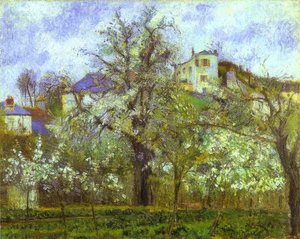
“The Large Walnut Tree at Hermitage,” painted by Camille Pissarro in 1875, stands as a quintessential embodiment of Impressionist art—a testament to capturing the ephemeral beauty of nature and the subtle nuances of light. More than just a depiction of a rural landscape, it’s an invitation into a moment frozen in time, resonating with serenity and conveying a profound connection to the natural world.
Pissarro, a pivotal figure in the Impressionist movement alongside Monet and Renoir, possessed an unwavering dedication to observation—a cornerstone of his artistic philosophy. Unlike academic painters who prioritized meticulous detail and idealized representations, Pissarro sought to convey not what he *saw*, but how he *felt*. This approach is vividly realized in “The Large Walnut Tree,” where the artist eschews sharp lines and precise shading for loose brushstrokes that dance across the canvas.
Style & Technique: The painting exemplifies Impressionism’s characteristic style, prioritizing the impression of light and color over accurate representation. Pissarro employs a technique known as “plein air” – working outdoors directly from nature—allowing him to capture the fleeting effects of sunlight filtering through the tree canopy. Notice how he utilizes broken brushstrokes, layering colors in thin washes that blend seamlessly together, creating an atmospheric haze that softens the contours of the landscape.
Historical Context: Created during a period of significant artistic experimentation and intellectual ferment, “The Large Walnut Tree” reflects the broader Impressionist preoccupation with capturing modern life and its sensory experiences. The painting emerged from a reaction against Romantic idealism, favoring instead a more subjective engagement with reality. It aligns perfectly with the movement's fascination for depicting everyday scenes—a deliberate departure from grand historical narratives.
Symbolism & Emotional Impact: Beyond its visual beauty, “The Large Walnut Tree” carries symbolic weight. The walnut tree itself represents strength and resilience – rooted firmly in the earth yet reaching towards the heavens. Its lush foliage symbolizes vitality and abundance, mirroring the tranquility of the rural setting depicted. More importantly, the painting evokes a feeling of profound peace—a contemplative stillness that invites viewers to savor the simple pleasures of nature and escape from the pressures of urban life.
Conclusion: Camille Pissarro’s “The Large Walnut Tree at Hermitage” remains an enduring masterpiece of Impressionist art. Its masterful use of light, color, and brushwork transcends mere visual representation, transporting us to a moment of serene contemplation—a timeless reminder of the transformative power of observation and the beauty inherent in capturing the fleeting essence of nature.
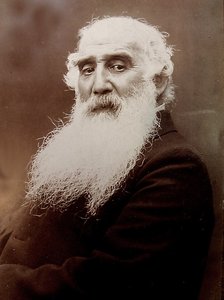
1830 - 1903 , ABD Virgin Adaları
Paul Cézanne'ın en iyi 25 eserini keşfedin! Modern sanatın öncüsü Cézanne'ın post empresyonist tabloları, natürmortları ve renkli manzaralarıyla evinizi sanatsal bir atmosfere taşıyın. BuyPopArt.com'da yüksek kaliteli sanat baskıları ve dekor fikirleri sizi bekliyor.

Explore the life & art of Camille Pissarro, a pivotal figure in Impressionism and Post-Impressionism. Discover his techniques, influences, and lasting legacy on modern painting. Learn more at BuyPopArt.

John Constable'ın en iyi 25 eserini keşfedin! İngiliz manzara sanatının büyülü dünyasına dalın, romantizm akımını ve kırsal yaşamı yansıtan tablolarla evinizi zenginleştirin. Sanat reproduksiyonları BuyPopArt'ta.

Explore the rich history of rural landscape painting with BuyPopArt. Discover Impressionist masterpieces, key artists & movements. Find your perfect serene artwork and bring nature's beauty home.

Journey through 10 breathtaking landscape paintings by Monet, Van Gogh & more! Explore iconic artworks, artistic techniques & find inspiration for your home decor. Museum-quality reproductions at BuyPopArt.com. Discover all masterpieces on BuyPopArt.com


En son sanat haberlerinden, özel tekliflerden ve dekorasyon fikirlerinden haberdar olun.
Projenizden bize bahsedin; sanat uzmanlarımız size özel 3 sanat eseri önerisi sunsun.
Size Özel 3 Seçeneği Ücretsiz Olarak Hazırlayalım!


 Önizleme yap
 Paylaş
 Paylaş
 Detayları Gör

 İndir
İndir
 Benzerlerini gör
 X-Işını
 Slayt Gösterisi

 Tümünü Gör







 Cam seçeneği yalnızca 110 cm altındaki boyutlar için mevcuttur.