Tuval Üzerine Akrilik BoyaDuvar SanatıPost-Impressionism
 1892
1892 65.0 x 47.0 cm
Sanatçılarımız tarafından sipariş üzerine hazırlanan; istediğiniz boyut ve çerçevede, tuval üzerine el boyaması yağlı boya. ( Baskıya Geç Görsele Geç)





























Eserin orijinal oranlarıyla uyumlu, önceden belirlenmiş boyutlarımız arasından seçim yapın.

Belirli bir çerçeveye veya alana uyması için kendi boyutlarınızı girebilirsiniz. Seçtiğiniz boyut orijinal görüntünün oranlarıyla eşleşmiyorsa, sanat eserini kırparak veya ek el boyaması öğelerle resmi uzatarak ayarlayacağız. Üretim başlamadan önce onayınız için dijital bir taslak gönderilecektir.
Lütfen ekrandaki önizlemenin gerçek kırpmayı veya uzatmayı yansıtmadığını unutmayın. Nihai kompozisyonu yalnızca hazırlanan taslak doğru şekilde gösterecektir.
Özel boyutlar mevcut olsa da, orijinal oranları korumak adına önceden tanımlanmış listeden bir boyut seçmenizi öneririz.
Dünya Çapında Teslimat (); standart 5 hafta yerine 3/4 haftada. (5 Ağustos). Kaliteden ödün verilmez.


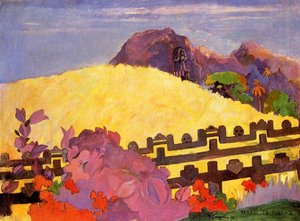
Tahitian Landscape
Reproduksiyon Boyutu
Eugène Henri Paul Gauguin’s “Tahitian Landscape,” completed in 1892 during his second voyage to Tahiti, transcends mere depiction; it embodies a profound yearning for primal beauty and spiritual liberation—a sentiment deeply rooted in the artist's formative experiences and profoundly influential on the trajectory of modern art.
The painting captures a quintessential Tahitian scene: a tranquil expanse of lush greenery punctuated by towering palm trees and distant volcanic peaks, beneath a sky ablaze with vibrant hues. At its heart stand two figures—a man and a woman—walking along a winding path toward a simple hut nestled amongst the foliage. A horse grazes peacefully nearby, completing this tableau of rural harmony.
Gauguin’s stylistic approach firmly establishes itself within Post-Impressionism, rejecting the meticulous realism championed by his predecessors in favor of expressive brushstrokes and bold color palettes. He eschewed academic conventions, prioritizing emotional resonance over photographic accuracy—a deliberate decision that aligns perfectly with the burgeoning Symbolist movement.
Executed on canvas using oil paints, Gauguin’s technique is characterized by loose, spontaneous brushwork—a hallmark of his Synthetist style. Visible texture dominates the surface, conveying a palpable sense of materiality and immediacy. Thick impasto creates dramatic highlights and shadows, enhancing the painting's visual impact and imbuing it with an energetic vitality.
The artist’s masterful manipulation of color contributes significantly to the artwork’s emotive power. Dominant shades of emerald green and earthy brown evoke the verdant landscape, while splashes of yellow and crimson accentuate the figures’ clothing and add a touch of warmth. The sky swirls with blues and grays—suggesting an atmospheric drama that underscores the painting's contemplative mood.
“Tahitian Landscape” represents a pivotal moment in Gauguin’s artistic evolution, marking his decisive break from Impressionism and his embrace of Primitivism—a movement driven by a desire to recapture the spirit of untamed nature and indigenous cultures. Influenced by Cézanne and Van Gogh, Gauguin sought inspiration in Polynesian traditions, rejecting European intellectual discourse for direct sensory experience.
His fascination with Tahiti stemmed from a profound disillusionment with Parisian society—a reaction fueled by his upbringing amidst aristocratic circles and his exposure to radical political ideologies. Gauguin envisioned Tahiti as an antidote to the anxieties of modernity, perceiving it as a sanctuary where he could reconnect with primal instincts and express spiritual truths unburdened by societal constraints.
Beyond its aesthetic qualities, “Tahitian Landscape” resonates deeply with symbolic meanings—reflecting Gauguin’s preoccupation with themes of solitude, spirituality, and the relationship between humanity and nature. The figures walking along the path symbolize a journey toward enlightenment—a quest for inner peace amidst the chaos of existence.
The horse represents fertility and abundance—a reminder of the natural world's generative power. The hut symbolizes simplicity and refuge—providing solace from worldly concerns. Taken together, these elements convey an overarching message of harmony and contemplation—inviting viewers to appreciate the beauty of everyday life and embrace a more profound connection with the environment.
"Tahitian Landscape" stands as a testament to Gauguin’s artistic innovation and his unwavering commitment to expressing authentic emotion. Its bold colors, expressive brushstrokes, and evocative imagery continue to captivate audiences today—solidifying its place among the masterpieces of Post-Impressionism and influencing generations of artists who followed.
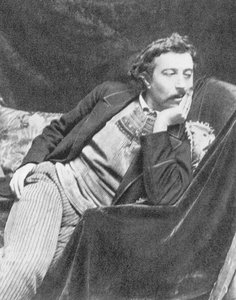
1848 - 1903 , Fransa

Explore the profound evolution of art from Impressionism to Post-Impressionism. Discover how masters like Van Gogh revolutionized color and emotion, shaping modern art history through structural innovation and expressive technique.


En son sanat haberlerinden, özel tekliflerden ve dekorasyon fikirlerinden haberdar olun.
Projenizden bize bahsedin; sanat uzmanlarımız size özel 3 sanat eseri önerisi sunsun.
Size Özel 3 Seçeneği Ücretsiz Olarak Hazırlayalım!


 Önizleme yap
 Paylaş
 Paylaş
 Detayları Gör

 İndir
İndir
 Benzerlerini gör
 X-Işını
 Slayt Gösterisi
 Tümünü Gör







 Cam seçeneği yalnızca 110 cm altındaki boyutlar için mevcuttur.