Написана вручну олією на полотні у вашому розмірі та рамі, виготовлена на замовлення нашими художниками. ( Перейти до друку Перейти до зображення)





























Обирайте з наших стандартних розмірів, що відповідають оригінальним пропорціям твору мистецтва.

Ви можете вказати власні розміри, щоб репродукція ідеально підійшла до конкретної рами або інтер'єру. Якщо вибраний вами розмір не відповідає пропорціям оригіналу, ми або обріжемо полотно, або доповнимо картину додатковими елементами, промальованими вручну. Цифровий макет буде надіслано вам на затвердження перед початком виробництва.
Зверніть увагу, що попередній перегляд на екрані не відображає фактичне обрізання або розширення зображення. Тільки макет точно покаже остаточну композицію.
Хоча ми можемо виготовити виріб у нестандартному розмірі, для збереження оригінальних пропорцій рекомендуємо обирати варіанти зі встановленого списку.
Доставка по всьому світу () за 3–4 тижні замість стандартних 5 тижнів. (9 Серпень). Без жодних компромісів у якості.


"Still Life, a Plate of Plums" -> "Натюрморт з персиками"
Розмір репродукції
Pierre-Auguste Renoir’s “Still Life, a Plate of Plums,” painted circa 1884, is more than just a depiction of fruit; it's a shimmering encapsulation of Parisian life and the very essence of Impressionism. This oil on canvas masterpiece resides within the prestigious Snite Museum of Art at the University of Notre Dame, offering visitors a rare opportunity to immerse themselves in the delicate beauty and innovative spirit of one of France’s most beloved artists. The painting invites us into a sun-drenched moment, capturing not just the visual appearance of plums and a simple table setting, but also the fleeting feeling of warmth, abundance, and quiet contemplation.
At its heart, “Still Life, a Plate of Plums” is a quintessential example of Impressionism – a movement that fundamentally shifted the way art was created. Rather than striving for photographic realism or meticulously detailed representation, Renoir sought to capture the *impression* of light and color as perceived by the eye. This approach involved working quickly, applying loose, visible brushstrokes—a hallmark of the style—to build up layers of paint directly on the canvas. The resulting texture isn’t smooth or polished; instead, it's vibrant and alive, brimming with a sense of spontaneity and immediacy.
Renoir masterfully employs a warm and inviting color palette dominated by earthy tones – soft browns, tans, and the deep purples and reds of the plums themselves. These colors aren’t blended or mixed in a traditional sense; instead, they are applied side-by-side, allowing the viewer's eye to naturally merge them together. The artist’s deliberate use of light is paramount to achieving his desired effect. He captures the way sunlight filters through the window, creating shimmering highlights on the plums and casting delicate shadows that deepen the sense of depth and realism. Two vases positioned on either side of the bowl contribute to the overall balance and harmony of the composition, mirroring each other in form and color – a subtle echo of visual equilibrium.
Renoir’s technique is characterized by loose, visible brushstrokes—a hallmark of Impressionism. These aren't carefully blended or smoothed; they are applied with a confident, almost energetic touch, allowing the colors to mingle organically on the canvas surface. The artist doesn’t aim for photographic accuracy but rather for an impression of movement and atmosphere. This technique creates a textured effect that enhances the visual richness of the painting and invites viewers to contemplate the interplay between light and color. It's as if we are witnessing a fleeting moment, caught in time – a testament to Renoir’s ability to transform ordinary subjects into works of profound beauty.
“Still Life, a Plate of Plums” emerged during a period of significant artistic experimentation in France. Impressionists like Renoir challenged the conventions of academic painting, seeking inspiration from Japanese prints and exploring themes of domestic life – a deliberate departure from the grand historical narratives favored by earlier generations. The painting reflects the broader cultural shift toward valuing sensory experience and capturing fleeting moments of beauty—values that resonated deeply with the artists and intellectuals of the time. It’s a poignant reminder of Renoir's dedication to portraying the world as he perceived it, prioritizing emotion and atmosphere over strict adherence to traditional artistic standards. This work embodies a move towards celebrating the everyday, finding beauty in simple objects and domestic scenes.
Beyond its aesthetic qualities, “Still Life, a Plate of Plums” carries symbolic significance – a subtle reflection of Renoir’s artistic vision. The plums themselves represent ripeness, abundance, and the pleasures of the senses—themes that frequently appear in Impressionist art. Their vibrant red hue evokes feelings of warmth and vitality, while their scattered arrangement suggests an informal yet carefully considered composition. The vase serves as a container for beauty – a symbol of refinement and elegance – further emphasizing Renoir’s appreciation for simple forms and harmonious colors. The painting whispers of the joys of life, captured in a single, luminous moment.
Handmade oil paintings reproductions of “Still Life, a Plate of Plums” are available at BuyPopArt.com, allowing art enthusiasts to own a piece of history. For more information on Pierre-Auguste Renoir and his works, visit the BuyPopArt.com website.
The painting “Still Life, a Plate of Plums” is not only a beautiful example of Impressionist art but also a reflection of Renoir’s ability to capture the essence of everyday life. As seen in other works by Renoir, such as “Fruits from the Midi,” the use of color and composition creates a sense of harmony and balance, drawing the viewer into the world of the painting.
Photo Description: The painting is a still life of a bowl filled with plums on a table. The bowl is placed in the center of the scene, surrounded by several plums scattered around it. There are also some apples present in the image, adding to the variety of fruits displayed. In addition to the fruit, there are two vases visible in the painting. One vase is located on the left side of the bowl and the other one is situated towards the right side. The table itself occupies a significant portion of the scene, extending from the top left corner to the bottom right corner.
Size: Unknown
Date: 1884
Born in Limoges, France, in 1841, Pierre-Auguste Renoir was a pivotal figure in the Impressionist movement. His early career as a porcelain painter provided him with an understanding of color and technique that would later inform his groundbreaking approach to painting. Renoir’s artistic journey led him to Paris, where he immersed himself in the vibrant art scene and began to develop his signature style – characterized by loose brushstrokes, luminous colors, and a focus on capturing fleeting moments of beauty.
Throughout his career, Renoir painted a diverse range of subjects, including portraits, landscapes, and scenes of Parisian life. He was particularly celebrated for his depictions of women—often portrayed in intimate settings, bathed in soft light. His works are renowned for their warmth, charm, and ability to evoke a sense of joy and optimism. Renoir’s legacy extends beyond his individual paintings; he played a key role in shaping the course of modern art, inspiring generations of artists with his innovative techniques and his unwavering commitment to capturing the beauty of the everyday world.
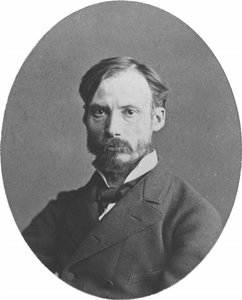
1841 - 1919 , Франція
Відкрийте для себе 25 найкращих шедеврів П’єра-Огюста Ренуара! Імпресіонізм, балерини, портрети – історія мистецтва та натхнення для вашого дому. Репродукції картин високої якості на BuyPopArt.com.
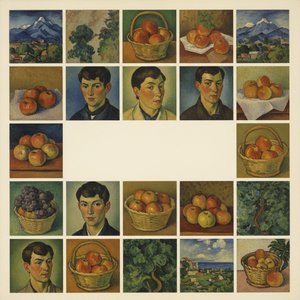
Відкрийте 25 найвідоміших картин Поля Сезанна! Дослідіть імпресіонізм, натюрморти та пейзажі художника. Купіть високоякісні репродукції та знайдіть ідеальний декор для вашого дому на BuyPopArt.com.
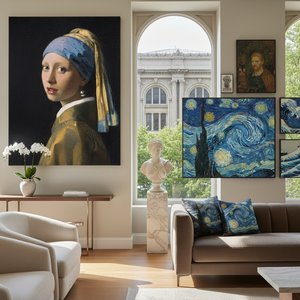
Відкрийте для себе 25 найвідоміших шедеврів Метрополітен-музею! Історія мистецтва від Ван Гога до Моне. Репродукції картин онлайн – надихайтесь та створіть власний розкішний інтер'єр з BuyPopArt.com.
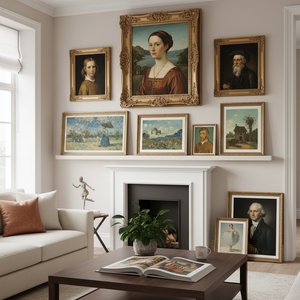
Відкрийте для себе 25 шедеврів Національної галереї мистецтв! Історія Сезанна, Матісса, Пікассо та інших геніїв. Репродукції картин онлайн – надихайтесь для декору вашого дому з BuyPopArt.com.
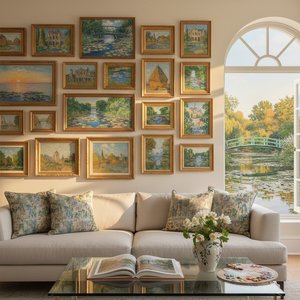
Відкрийте для себе 25 найвідоміших шедеврів Клода Моне! Історія імпресіонізму, пейзажі, водні лілії та унікальні техніки живопису. Репродукції картин високої якості для вашого дому від BuyPopArt.com. Дослідіть всю колекцію онлайн!


Будьте в курсі останніх новин зі світу мистецтва, ексклюзивних пропозицій та ідей для декорування.
Розкажіть нам про свій проєкт, і наші експерти з мистецтва підготують для вас 3 персоналізовані пропозиції щодо творів мистецтва.
Дозвольте нам підібрати 3 варіанти спеціально для вас — безкоштовно!


 Переглянути в інтер'єрі
 Надіслати
 Поділитися
 Деталі

 Завантажити
 Схожі експонати
 Рентгенівське дослідження
 Слайд-шоу

 Читати далі







 Скляний варіант доступний лише для розмірів до 110 см