

 Олія на твердій основіBaroque
 1597— Відродження
 220.0 x 339.0 cm
 Лувр
ЛуврНаписана вручну олією на полотні у вашому розмірі та рамі, виготовлена на замовлення нашими художниками. ( Купити принт Купити зображення)





























Обирайте з наших стандартних розмірів, що відповідають оригінальним пропорціям твору мистецтва.

Ви можете вказати власні розміри, щоб репродукція ідеально підійшла до конкретної рами або інтер'єру. Якщо вибраний вами розмір не відповідає пропорціям оригіналу, ми або обріжемо полотно, або доповнимо картину додатковими елементами, промальованими вручну. Цифровий макет буде надіслано вам на затвердження перед початком виробництва.
Зверніть увагу, що попередній перегляд на екрані не відображає фактичне обрізання або розширення зображення. Тільки макет точно покаже остаточну композицію.
Хоча ми можемо виготовити виріб у нестандартному розмірі, для збереження оригінальних пропорцій рекомендуємо обирати варіанти зі встановленого списку.
Доставка по всьому світу () за 3–4 тижні замість стандартних 5 тижнів. (12 Серпень). Без жодних компромісів у якості.


Diana and Actaeon
Розмір репродукції
Joris Hoefnagel, born in Antwerp around 1542 and tragically dying in Vienna in 1601, stands as a pivotal figure bridging the late Renaissance and the burgeoning Baroque periods. More than simply a painter, he was a master illuminator, a meticulous draftsman, and a keen observer of nature – a confluence of skills that cemented his legacy as one of the most influential artists of his time. His work, often characterized by an almost scientific precision combined with a captivating sense of beauty, profoundly impacted the development of both botanical illustration and topographical drawing, leaving an indelible mark on generations of European artists.
Hoefnagel’s early life remains somewhat shrouded in mystery, though we know he was the son of Jacob Hoefnagel, a successful diamond dealer and tapestry merchant. This privileged upbringing afforded him a comprehensive education, including fluency in several languages and an appreciation for the arts – a foundation that would prove crucial to his future career. While speculation persists regarding his formal training, most scholars believe he received instruction from Hans Bol, a prominent Flemish painter active in Antwerp during the 1570s. This apprenticeship likely introduced him to the intricacies of miniature painting, a skill that would become central to his artistic practice.
Hoefnagel’s career unfolded across Europe, shaped by both professional opportunities and turbulent political times. He spent time in France from 1560 to 1563, likely honing his skills and expanding his network of contacts before returning to Antwerp and then venturing into Spain between 1563 and 1567. These periods were marked by religious upheaval and artistic censorship, experiences that undoubtedly influenced the themes and styles he explored. His travels to Italy, particularly Venice, proved transformative, exposing him to the innovations of Renaissance masters like Titian and fostering a deeper appreciation for color and composition.
A significant turning point in Hoefnagel’s career arrived with his arrival in England in 1532, invited by Thomas More. He quickly established himself as a sought-after artist, producing portraits for the humanist scholar and capturing the grandeur of More's household. This association with More marked the beginning of a long and fruitful relationship with the English court, culminating in commissions from Henry VIII and Anne Boleyn. His work during this period showcased his remarkable draftsmanship and his ability to render intricate details with astonishing accuracy – qualities that would become hallmarks of his style.
Hoefnagel’s artistic reputation rests largely on his extraordinary illustrations of natural history subjects. Unlike earlier depictions, which often prioritized symbolic meaning over realistic representation, Hoefnagel approached botanical studies with a meticulousness bordering on scientific observation. His detailed renderings of flowers, insects, and animals – exemplified by works like “The Insects” and “The Flowers” – are not merely decorative; they represent a significant advance in the field of natural history illustration. These images were far more than pretty pictures; they served as valuable reference materials for scholars and physicians.
Furthermore, Hoefnagel’s contributions to topographical drawing were equally groundbreaking. He produced remarkably accurate depictions of cityscapes, landscapes, and architectural details – works that anticipated the rise of landscape painting as a distinct genre. His meticulous attention to perspective and his ability to capture the nuances of light and shadow demonstrated a mastery of technique rarely seen in his contemporaries. These drawings weren’t simply records of places; they were imbued with a sense of atmosphere and observation, reflecting Hoefnagel's keen eye for detail.
Joris Hoefnagel’s impact on the course of art history is undeniable. His meticulous draftsmanship and his pioneering approach to natural history illustration profoundly influenced a generation of artists, including Rembrandt, Rubens, and later, botanical illustrators like Jan van Dijck. He essentially laid the groundwork for the development of scientific illustration as a distinct field, demonstrating the potential for artistic representation to serve both aesthetic and practical purposes.
Beyond his technical achievements, Hoefnagel’s work embodies a unique synthesis of humanist ideals, Renaissance aesthetics, and burgeoning scientific inquiry. His legacy endures not only in the surviving images themselves but also as a testament to the power of observation, precision, and artistic vision – qualities that continue to inspire artists and scholars today.

1542 - 1601 , Belgium

Відкрийте витонченість багатопанельних композицій від ! Ексклюзивні репродукції картин, індивідуальний дизайн та бездоганна якість для досвідчених колекціонерів. Замовте унікальний декор вже сьогодні!

Explore the captivating history of mythological narratives in Western art! From ancient Greece to modern masterpieces, discover iconic artworks & symbolism. Expert analysis and high-quality reproductions at BuyPopArt.

Explore the profound history and technical brilliance of oil on panel painting. From Renaissance masters to modern techniques, discover why this rigid support offers unparalleled precision and permanence for fine art lovers and collectors.
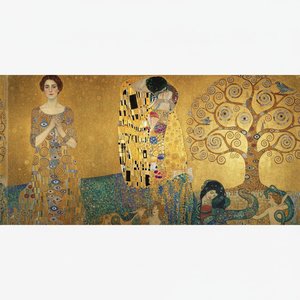
Відкрийте 25 найвідоміших картин Густава Клімта! Мистецтво модерну, віденський сецесіон та золотий вік Відня. Репродукції картин високої якості для вашого дому на BuyPopArt.com. Дослідіть колекцію онлайн!

Embark on a sophisticated journey through the eternal allure of mythological art. Discover how master painters breathe life into ancient legends, from Greek deities to Baroque masterpieces, and learn to curate these timeless narratives within your own exquisite art collection.


Будьте в курсі останніх новин зі світу мистецтва, ексклюзивних пропозицій та ідей для декорування.
Розкажіть нам про свій проєкт, і наші експерти з мистецтва підготують для вас 3 персоналізовані пропозиції щодо творів мистецтва.
Дозвольте нам підібрати 3 варіанти спеціально для вас — безкоштовно!


 Переглянути в інтер'єрі
 Надіслати
 Поділитися
 Деталі

 Завантажити
 Схожі експонати
 Рентгенівське дослідження
 Слайд-шоу
 Читати далі







 Скляний варіант доступний лише для розмірів до 110 см


