Акрил на полотніНастінне мистецтвоHigh Renaissance
 1493— Відродження
 285.0 x 209.0 cm
 Лувр
ЛуврНаписана вручну олією на полотні у вашому розмірі та рамі, виготовлена на замовлення нашими художниками. ( Замовити принт Купити цифрове зображення)





























Обирайте з наших стандартних розмірів, що відповідають оригінальним пропорціям твору мистецтва.

Ви можете вказати власні розміри, щоб репродукція ідеально підійшла до конкретної рами або інтер'єру. Якщо вибраний вами розмір не відповідає пропорціям оригіналу, ми або обріжемо полотно, або доповнимо картину додатковими елементами, промальованими вручну. Цифровий макет буде надіслано вам на затвердження перед початком виробництва.
Зверніть увагу, що попередній перегляд на екрані не відображає фактичне обрізання або розширення зображення. Тільки макет точно покаже остаточну композицію.
Хоча ми можемо виготовити виріб у нестандартному розмірі, для збереження оригінальних пропорцій рекомендуємо обирати варіанти зі встановленого списку.
Доставка по всьому світу () за 3–4 тижні замість стандартних 5 тижнів. (17 Серпень). Без жодних компромісів у якості.


Сьорж (Saint Jerome)
Розмір репродукції
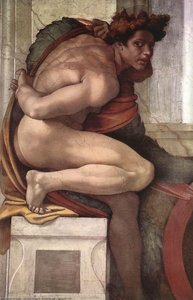
The image before us – Michelangelo Buonarroti's "St. Jerome" (circa 1493) – is far more than a simple depiction of a biblical figure; it’s a profound exploration of the human condition, rendered with an intensity and psychological depth rarely seen in Renaissance art. This particular iteration, housed within the Louvre Museum, offers a glimpse into the artist's evolving style and his masterful command of both form and emotion. The painting immediately draws the eye to the solitary figure of St. Jerome, seated upon a rugged, almost desolate rock – a landscape mirroring the internal turmoil he embodies.
Michelangelo’s approach here is strikingly different from the idealized depictions common in earlier Renaissance art. He eschews the smooth, polished surfaces and heroic poses favored by many of his contemporaries. Instead, we encounter a figure marked by vulnerability and profound introspection. Jerome's posture is slumped, his gaze downward, suggesting a deep absorption in prayer or perhaps, more accurately, in wrestling with his own demons. The rough texture of his garments, the starkness of the background – a simplified representation of the wilderness – all contribute to this sense of raw honesty and emotional weight.
Examining the painting’s technique reveals Michelangelo's meticulous attention to detail. The musculature, though subtly rendered, is undeniably anatomical—a testament to his lifelong study of human form. However, it’s not merely a display of technical skill; rather, these muscles convey a sense of strain and inner conflict. Notice how the folds of his cloak seem to cling to his body, mirroring the weight of his spiritual burden. The use of chiaroscuro – the dramatic contrast between light and shadow – further emphasizes this effect, highlighting Jerome’s face and hands while plunging the background into darkness.
The painting's style aligns with the early stages of Michelangelo’s artistic development. It demonstrates a shift away from the more linear and decorative tendencies of his earlier work towards a greater emphasis on emotional expression and psychological realism. It is important to note that this piece was created during a period of intense personal struggle for Michelangelo, marked by financial difficulties and professional setbacks. This internal turmoil undoubtedly informed the painting’s somber mood and introspective quality.
St. Jerome's story—his conversion to Christianity after a life of hedonistic pursuits, his tireless translation of the Bible into Latin, and his unwavering devotion—is rich with symbolic meaning. The rock upon which he sits represents both the solitude of spiritual contemplation and the foundation of his faith. The book in his hand symbolizes the scriptures, while the reed pen signifies his role as a translator and interpreter of divine wisdom. The presence of the wild animals – a lion, an elk, and a badger – are traditional symbols associated with St. Jerome, representing his virtues of courage, vigilance, and industry.
Beyond these specific symbols, however, "St. Jerome" speaks to universal themes of repentance, redemption, and the struggle between earthly desires and spiritual aspirations. It’s a poignant reminder that even in moments of profound solitude and hardship, faith can offer solace and guidance. The painting's enduring power lies in its ability to resonate with viewers on an emotional level, inviting them to contemplate their own inner journeys.
Michelangelo’s “St. Jerome” stands as a pivotal work in the artist’s oeuvre and a cornerstone of Renaissance art. It showcases his remarkable talent for capturing not only physical likeness but also the complex emotions that lie beneath the surface. The painting's raw honesty, psychological depth, and masterful technique continue to captivate audiences centuries later, solidifying Michelangelo’s place as one of history’s greatest artistic geniuses. Reproductions of this powerful image offer a chance to bring this profound meditation on faith and human experience into any space, serving as a constant reminder of the enduring power of art to illuminate the depths of the soul.
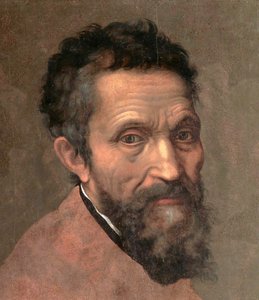
1475 - 1564 , Італія
Відкрийте 25 найвідоміших шедеврів Мікеланджело! Дослідіть історію, техніку та красу скульптур і картин Ренесансу. Купуйте репродукції високої якості для вашого дому на BuyPopArt.com.
Відкрийте 10 легендарних бронзових скульптур, що змінили хід мистецтва! Дізнайтесь історії Мікеланджело, Родена та інших геніїв. Репродукції картин преміум-класу для вашого дому – на BuyPopArt.com

Дізнайтеся все про фрески: історію, техніки, замовлення та догляд. Створіть унікальну сімейну спадщину з нашими професійними художниками! Якість гарантовано.

Explore the rich history & enduring artistry of fresco painting – from Giotto to Michelangelo! Discover techniques, conservation efforts, & modern applications. Learn how BuyPopArt brings this timeless art form to your home.

Відкрийте для себе 10 легендарних бронзових шедеврів, що змінили мистецтво! Історія створення, художні техніки та вплив скульпторів Ренесансу й Античності. Купуйте репродукції картин на BuyPopArt.com – музейна якість для вашого дому.


Будьте в курсі останніх новин зі світу мистецтва, ексклюзивних пропозицій та ідей для декорування.
Розкажіть нам про свій проєкт, і наші експерти з мистецтва підготують для вас 3 персоналізовані пропозиції щодо творів мистецтва.
Дозвольте нам підібрати 3 варіанти спеціально для вас — безкоштовно!


 Переглянути в інтер'єрі
 Надіслати як листівку
 Поділитися
 Детальніше

 Завантажити
 Схожі експонати
 Рентгенівське дослідження
 Слайд-шоу
 Читати далі







 Скляний варіант доступний лише для розмірів до 110 см