

 Oil On CanvasWallArtBengal School
 14.0 x 9.0 cm
 Victoria Memorial Hall
طباعة جيكلي أو كانفاس بجودة المتاحف، مع سرعة في التنفيذ وخيارات متنوعة للتشطيب. ( التحويل إلى لوحة مرسومة يدوياً التبديل إلى الصورة)





























اختر من بين أحجامنا المُعدّة مسبقًا والتي تتطابق مع النسب الأصلية للعمل الفني.

يمكنك إدخال أبعادك الخاصة لتناسب إطاراً أو مساحة معينة. وإذا لم يتطابق الحجم الذي اخترته مع نسب الصورة الأصلية، فسنقوم إما بقص العمل الفني أو تمديد الصورة باستخدام حافة معكوسة أو بلون مصمت. سيتم إرسال نموذج تجريبي رقمي لاعتمادك قبل بدء الإنتاج.
يرجى ملاحظة أن المعاينة على الشاشة لا تعكس عملية القص أو التمديد الفعلية؛ حيث سيوضح النموذج التجريبي فقط التكوين النهائي بدقة.
وعلى الرغم من توفر أحجام مخصصة، إلا أننا نوصي باختيار أبعاد من القائمة المحددة مسبقاً للحفاظ على النسب الأصلية.
توصيل عالمي إلى خلال أسبوعين بدلاً من المدة القياسية البالغة 4/5 أسابيع. 5 أغسطس


Natir Puja
مقاس النسخة المطبوعة
Abanindranath Tagore’s *Natir Puja*, completed in 1932, stands as a pivotal work within the Bengal School of Art—a movement that sought to revitalize Indian painting by drawing inspiration from Mughal and Rajput traditions while simultaneously embracing Western aesthetic principles. More than just a depiction of a dancer performing a ballet inspired by Rabindranath Tagore’s stage drama, it embodies a profound dialogue between Eastern spirituality and artistic innovation.
The artwork itself is rendered in oil on canvas—a technique chosen deliberately to capture the dynamism of movement and imbue the scene with luminosity. Tagore eschewed the prevailing Western academic style, opting instead for a looser brushstroke approach that prioritizes expressive gesture over meticulous realism. This stylistic decision reflects Tagore’s broader commitment to Swadeshi values – a fervent belief in reclaiming Indian artistic heritage and rejecting colonial influences.
Beyond its formal elements, *Natir Puja* resonates with symbolic depth. The dancer's posture conveys a sense of meditative stillness juxtaposed with energetic movement—a visual representation of the harmonious balance between inner contemplation and outward expression. Tagore’s masterful use of color – predominantly ivory black accented by subtle hues – contributes to the artwork’s serene atmosphere, inviting viewers into a realm of contemplative beauty.
The painting's enduring appeal lies in its ability to capture not only a moment in time but also a spirit—a testament to Tagore’s visionary approach to art and his unwavering dedication to preserving India’s cultural heritage. It remains a cornerstone of the Bengal School’s legacy, continuing to inspire artists and collectors alike.

1871 - 1951 , الهند
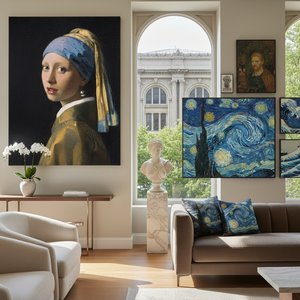
اكتشف أروع 25 تحفة فنية في متحف المتروبوليتان، نيويورك! قصص ليوناردو دا فينشي وفان جوخ وبيكاسو وأكثر. لوحات كلاسيكية ومعاصرة لإلهام ديكور منزلك. تسوق إعادة إنتاج اللوحات عالية الجودة على BuyPopArt.com.
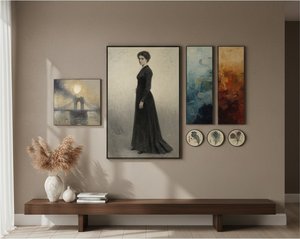
اكتشف 25 تحفة فنية لجيمس أبتون ماكنيل ويستلر، رائد حركة التجميل. نوكتورن، بورتريهات أيقونية وأكثر! قصص ملهمة وتقنيات فنية رائعة لتزيين منزلك بأناقة. استكشف المجموعة الكاملة على BuyPopArt.com

اكتشف أروع 25 تحفة فنية في متحف ديترويت للفنون! لوحات فان جوخ، مونيه، وأكثر. قصص الفنانين وتقنياتهم الخالدة. إلهام لديكور منزلك مع BuyPopArt.com.
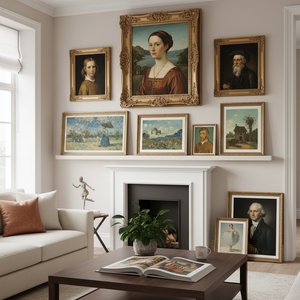
اكتشف أروع 25 لوحة فنية في معرض ناسيونال غاليري بواشنطن! رحلة عبر روائع سيزان، ماتيس، وبيكاسو. قصص ملهمة وتقنيات فنية فريدة. احصل على نسخ عالية الجودة لديكور منزلك الفاخر على BuyPopArt.com
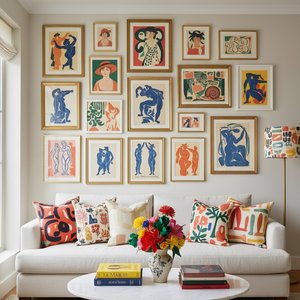
اكتشف 25 تحفة فنية لهنري ماتيس، رائد التعبيرية وFauvism. استكشف قصص لوحاته المذهلة وألوانه الجريئة. احصل على مطبوعات عالية الجودة لديكور منزلي فاخر. اكتشف جميع الروائع على BuyPopArt.com


ابقَ على اطلاع بأحدث أخبار الفن، والعروض الحصرية، وأفكار الديكور.
أخبرنا عن مشروعك، وسيقدم لك خبراؤنا الفنيون 3 اقتراحات فنية مخصصة لك.
دعنا نختار لك ٣ خيارات مخصصة تماماً - مجاناً!


 معاينة الحجم الحقيقي
 مشاركة
 مشاركة
 التفاصيل

 تحميل الملف
 قطع مشابهة
 الأشعة السينية
 عرض شرائح
 عرض المزيد







 خيار الزجاج متاح فقط للمقاسات التي تقل عن 110 سم


