Acrylic On CanvasWallArtGerman Expressionism
 1913
1913 810.0 x 1050.0 cm
 Kunstpalast
طباعة جيكلي أو كانفاس بجودة المتاحف، مع سرعة في التنفيذ وخيارات متنوعة للتشطيب. ( اشترِ لوحة مرسومة يدويًا اشترِ الصورة)





























اختر من بين أحجامنا المُعدّة مسبقًا والتي تتطابق مع النسب الأصلية للعمل الفني.

يمكنك إدخال أبعادك الخاصة لتناسب إطاراً أو مساحة معينة. وإذا لم يتطابق الحجم الذي اخترته مع نسب الصورة الأصلية، فسنقوم إما بقص العمل الفني أو تمديد الصورة باستخدام حافة معكوسة أو بلون مصمت. سيتم إرسال نموذج تجريبي رقمي لاعتمادك قبل بدء الإنتاج.
يرجى ملاحظة أن المعاينة على الشاشة لا تعكس عملية القص أو التمديد الفعلية؛ حيث سيوضح النموذج التجريبي فقط التكوين النهائي بدقة.
وعلى الرغم من توفر أحجام مخصصة، إلا أننا نوصي باختيار أبعاد من القائمة المحددة مسبقاً للحفاظ على النسب الأصلية.
توصيل عالمي إلى خلال أسبوعين بدلاً من المدة القياسية البالغة 4/5 أسابيع. 16 أغسطس


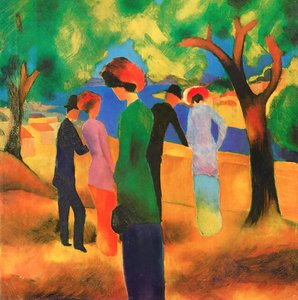
Four Girls
مقاس النسخة المطبوعة
August Macke's "Four Girls," painted in 1913, stands as a pivotal work within the artist’s trajectory and a compelling example of the burgeoning movement towards abstraction that was reshaping European art at the time. Created during a remarkably productive period in Bonn, this painting embodies Macke’s shift away from purely representational forms toward a more emotionally charged and visually dynamic style – a hallmark of his engagement with both German Expressionism and the innovative approaches emerging from Paris.
Painted in 1913, “Four Girls” reflects a crucial moment in art history – the collision of Impressionism’s influence with the rising tide of German Expressionism. Macke, like many artists of his generation, was grappling with the rapid changes occurring in Paris and seeking to synthesize these diverse influences into a uniquely German aesthetic. The painting's rhythmic colour harmonies and simplified forms align with the Blaue Reiter group’s exploration of abstraction and emotional expression, while simultaneously retaining a distinctly Impressionistic sensibility in its focus on light and atmosphere.
Macke’s artistic journey was profoundly shaped by his travels and intellectual explorations. His time in Tunis in 1914 further intensified his experimentation with transparency, flatness, and abstract forms, anticipating the developments of Cubism and Abstraction that would dominate the art world in the years to come.
Macke’s technique is characterized by a confident brushstroke and a deliberate layering of colour. He employed a palette knife alongside traditional brushes to build up thick impasto surfaces, creating a tactile quality that adds to the painting's visual richness. The use of pure pigments, combined with Macke’s innovative approach to colour mixing, results in vibrant, luminous tones that seem to shimmer and vibrate on the canvas. The scale of this artwork – 810 x 1050 cm – further amplifies its impact, allowing for an immersive experience of colour and form.
"Four Girls" transcends a simple portrait; it’s a meditation on youth, leisure, and the beauty of nature. The presence of the dog and handbag adds subtle details that enhance the sense of everyday life and human connection. Macke's ability to capture not just the outward appearance of his subjects but also their inner emotions is what elevates this work beyond mere representation. It speaks to a yearning for simplicity, harmony, and the joy of shared experience – themes that resonate deeply with viewers even today.

1887 - 1914 , ألمانيا

Explore the visceral world of German Expressionism. Discover how masters like Ernst Ludwig Kirchner used bold colors and distortion to convey raw emotion, through our expert-led deep dive into this transformative era of art history.


ابقَ على اطلاع بأحدث أخبار الفن، والعروض الحصرية، وأفكار الديكور.
أخبرنا عن مشروعك، وسيقدم لك خبراؤنا الفنيون 3 اقتراحات فنية مخصصة لك.
دعنا نختار لك ٣ خيارات مخصصة تماماً - مجاناً!


 معاينة الحجم الحقيقي
 مشاركة
 مشاركة
 التفاصيل

 تحميل الملف
 قطع مشابهة
 الأشعة السينية
 عرض شرائح
 عرض المزيد







 خيار الزجاج متاح فقط للمقاسات التي تقل عن 110 سم