بِع أعمالك الفنية
x
معاينة الحجم الحقيقيمعاينة الحجم الحقيقي معاينة بالواقع المعززمعاينة بالواقع المعزز التحويل للنسخة المطبوعة التحويل للنسخة المطبوعةالتبديل إلى الصورة التبديل إلى الصورة مشاركةمشاركة
التفاصيلالتفاصيل أضف إلى المفضلة أضف إلى المفضلة تحميل الملفتحميل الملف قطع مشابهةقطع مشابهة الأشعة السينيةالأشعة السينية عرض شرائحعرض شرائح

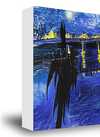
Mourning

Bernard de Montfaucon (1655-1741) was a French Benedictine monk & pioneer in palaeography, archaeology, and patristic studies. Known for editions of Church Fathers & 'Antiquité expliquée', he revolutionized manuscript analysis & classical antiquity r

نسخة زيتية مصنوعة يدوياً

لوحة زيتية مرسومة يدوياً على الكانفاس بالمقاس والإطار الذي تفضله، تُنفذ حسب الطلب على أيدي فنانينا. (التحويل للنسخة المطبوعة التحويل للنسخة المطبوعةالتبديل إلى الصورة التبديل إلى الصورة)

Standard
custom
CM
INCH

اختر من بين أحجامنا المُعدّة مسبقًا والتي تتطابق مع النسب الأصلية للعمل الفني.

العرض
الارتفاع

يمكنك إدخال أبعادك الخاصة لتناسب إطارًا معينًا أو مساحة محددة. وإذا لم يتطابق الحجم الذي اخترته مع نسب الصورة الأصلية، فسنقوم إما بقص العمل الفني أو توسيع اللوحة بإضافة عناصر مرسومة يدويًا. سيتم إرسال نموذج رقمي إليك للموافقة عليه قبل بدء الإنتاج.
يرجى ملاحظة أن المعاينة على الشاشة لا تعكس عملية القص أو التوسيع الفعلية؛ حيث إن النموذج الرقمي وحده هو الذي سيوضح التكوين النهائي بدقة.
وعلى الرغم من توفر أحجام مخصصة، إلا أننا نوصي باختيار أبعاد من القائمة المحددة مسبقًا للحفاظ على النسب الأصلية للعمل الفني.

أمثلة على التعديلات الممكنة: استبدال الوجه بصورة العميل؛ إضافة حيوان أليف (مثل استبدال قطة بكلب)؛ تضمين رسالة مخفية في الخلفية؛ تغيير المناظر الطبيعية أو العناصر في الخلفية.
بعد إتمام الطلب، سيرسل فريق BuyPopArt.com بريداً إلكترونياً للعميل لطلب التعليمات وتزويده بمعاينة تجريبية (mockup).

توصيل عالمي إلى خلال 3 إلى 4 أسابيع بدلاً من المدة المعتادة البالغة 5 أسابيع. (31 يوليو). جودة لا تهاون فيها.

why_choose_icon
شحن سريع ومجاني لجميع أنحاء العالم
why_choose_icon
قماش كتان عالي الجودة
why_choose_icon
تأمين شحن شامل
why_choose_icon
ضمان استرداد الرسوم الجمركية
why_choose_icon
ضمان مطابقة الألوان الحقيقية
why_choose_icon
سياسة الإرجاع خلال 60 يومًا (في حالات العيوب فقط)
why_choose_icon
ضمان استرداد نقدي بنسبة 100%
why_choose_icon
خصم عند طلب عدة قطع

إجمالي السعر

$ 288

reproduction

Mourning

خامة إعادة الإنتاج

مقاس النسخة المطبوعة

-

السعر الإجمالي النهائي

$ 288


السيرة الذاتية للفنان

Carel de Moor: A Dutch Master of Subtle Detail

Carel de Moor, born in Leiden on February 25th, 1655, was a pivotal figure in the Dutch Golden Age painting scene. He wasn’t a flamboyant innovator like Rembrandt or Vermeer, but rather a meticulous craftsman who quietly established himself as one of the most respected *fijnschilders* – painters known for their refined technique and subtle realism. De Moor's legacy lies not in revolutionary style, but in his mastery of detail, his ability to capture fleeting moments with remarkable accuracy, and his significant contribution to the development of Dutch portraiture and genre painting. He died in Leiden on December 18th, 1741, leaving behind a substantial body of work that continues to fascinate art historians today.

Early Training and Influences

De Moor’s artistic journey began within the established framework of Leiden's thriving art community. Born into a family deeply rooted in woodworking – his father was an ebony woodworker – he initially learned the craft of frame-making, a skill that undoubtedly instilled in him a keen eye for materials and construction. However, recognizing his innate talent for drawing, his father wisely sent him to Gerrit Dou, one of Leiden’s most esteemed masters, around 1650. Dou's influence was profound; he taught De Moor the importance of careful observation, tonal gradations, and the use of light and shadow to create a sense of depth and atmosphere. Later, seeking further refinement, De Moor traveled to Amsterdam, studying under Abraham van den Tempel, known for his atmospheric landscapes and masterful handling of color. This period exposed him to a broader range of techniques and artistic approaches, shaping his developing style. Notably, he also spent time with Frans van Mieris the Younger, absorbing elements of his dynamic compositions and skillful rendering of textures.

Style and Technique

De Moor’s distinctive style is characterized by its quiet elegance and remarkable detail. Unlike the dramatic lighting and bold brushstrokes favored by some contemporaries, De Moor employed a more restrained palette and subtle gradations of tone. He was particularly adept at capturing the textures of fabrics, skin, and other materials with astonishing precision – a skill that earned him considerable renown. His portraits are not overtly grand or heroic; instead, they offer intimate glimpses into the lives of his subjects, revealing their personalities through carefully observed details like clothing, facial expressions, and gestures. His genre scenes, often depicting domestic interiors or everyday activities, similarly possess a remarkable sense of realism and immediacy. A key element of his technique was his use of *sfumato*, a subtle blurring of outlines that created an atmospheric effect and enhanced the sense of depth.

Notable Works and Commissions

De Moor’s career spanned several decades, during which he undertook numerous commissions for both private clients and institutions. He painted portraits of prominent Leiden citizens, including members of the city council and wealthy merchants. His work also included scenes from biblical stories, mythological subjects, and depictions of everyday life. Among his most celebrated paintings are *The Duet* (1674), a captivating portrait of two women engaged in conversation, and his series of paintings illustrating the life of Saint Bruno, commissioned for the Charterhouse Monastery in Paris. These later works demonstrate a shift towards greater emotional depth and narrative complexity, reflecting De Moor’s growing artistic maturity. He also held significant positions within the Leiden Guild of St. Luke, serving as headman and dean multiple times, demonstrating his respected standing within the art community.

Legacy and Historical Significance

Carel de Moor's contribution to Dutch painting is often understated, overshadowed by the brilliance of Rembrandt and Vermeer. However, his meticulous technique, subtle realism, and quiet elegance have secured his place as a significant figure in the *fijnschilders* movement. He represents a crucial link between the earlier masters of Leiden and the subsequent generation of Dutch painters. His work exemplifies the Dutch Golden Age’s commitment to detailed observation and realistic representation, offering valuable insights into the lives and customs of 17th-century society. His legacy continues to be appreciated for its quiet beauty, technical mastery, and enduring appeal.
bernard de montfaucon

bernard de montfaucon

1655 - 1741 , France

حقائق سريعة

  • Artistic Movement Or Style: Neoclassical
  • Artists Or Movements Influenced By This Artist:
    • Picart
    • Leclerc
  • Artists Who Influenced This Artist:
    • Vouet
    • Poussin
  • Date Of Birth: 1616-11-19
  • Date Of Death: 1655-04-30
  • Full Name: Eustache Le Sueur
  • Nationality: French
  • Notable Artworks:
    • Angel and Hagar
    • Tobias and Tobit
    • Martyrdom St Lawrence
    • Life of St Bruno
  • Place Of Birth: Paris, France