


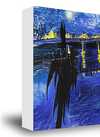
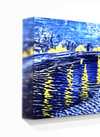
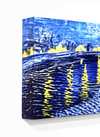
طباعة جيكلي أو كانفاس بجودة المتاحف، مع سرعة في التنفيذ وخيارات متنوعة للتشطيب. ( التحويل إلى لوحة مرسومة يدوياً التبديل إلى الصورة)
اختر من بين أحجامنا المُعدّة مسبقًا والتي تتطابق مع النسب الأصلية للعمل الفني.

يمكنك إدخال أبعادك الخاصة لتناسب إطاراً أو مساحة معينة. وإذا لم يتطابق الحجم الذي اخترته مع نسب الصورة الأصلية، فسنقوم إما بقص العمل الفني أو تمديد الصورة باستخدام حافة معكوسة أو بلون مصمت. سيتم إرسال نموذج تجريبي رقمي لاعتمادك قبل بدء الإنتاج.
يرجى ملاحظة أن المعاينة على الشاشة لا تعكس عملية القص أو التمديد الفعلية؛ حيث سيوضح النموذج التجريبي فقط التكوين النهائي بدقة.
وعلى الرغم من توفر أحجام مخصصة، إلا أننا نوصي باختيار أبعاد من القائمة المحددة مسبقاً للحفاظ على النسب الأصلية.
توصيل عالمي إلى خلال أسبوعين بدلاً من المدة القياسية البالغة 4/5 أسابيع. 1 أغسطس


Margaret Brown Stone
مقاس النسخة المطبوعة
In the grand tapestry of the eighteenth century, few artists captured the profound transition from colonial tension to national identity as poignantly as Robert Edge Pine. Born in London in 1730, Pine was a man of two worlds, an Anglo-American painter whose life and work bridged the gap between the established elegance of the British Enlightenment and the raw, burgeoning spirit of the American Revolution. His artistic lineage was rooted in the meticulous precision of his father, John Pine, a renowned engraver and cartographer. This early exposure to the disciplined world of printmaking instilled in Robert a foundational reverence for detail and an uncanny ability to translate complex narratives into visual reality, a skill that would later serve him as he documented the faces of history.
Pine’s early career in London was marked by significant prestige, as his talent for portraiture earned him the attention of the era's most influential figures. He moved within the sophisticated circles of the Society of Artists and the Free Society of Artists, painting luminaries such as George II and the celebrated actor David Garrick. His work during this period was characterized by a refined mastery of character, capturing not just the physical likeness of his subjects but the subtle psychological nuances that defined the European elite. Yet, beneath this polished exterior lay an artist deeply attuned to the shifting political tides of the Atlantic world, a sensitivity that would eventually draw him across the ocean to the shores of a new nation.
The final chapter of Pine’s life saw him relocate to Philadelphia, where he became an essential visual chronicler of the American struggle for independence. During these transformative years, his art transcended mere portraiture to embrace the profound weight of history painting. His masterpiece, “America,” painted in 1778, stands as a breathtaking testament to his allegorical prowess. In this work, Pine did not merely paint a landscape or a person; he painted an idea. By depicting America as a suffering figure receiving solace from symbols of liberty, concord, plenty, and peace, he provided a visual language for the very ideals that fueled the revolution, offering hope and moral clarity to a nation in the throes of war.
Beyond his allegorical triumphs, Pine’s commitment to documenting the American cause is perhaps most famously realized in his ambitious, though unfinished, work, “Congress Voting Independence.” This monumental composition sought to immortalize the interior of Independence Hall, populating it with the portraits of the signers of the Declaration of Independence. Through this project, Pine attempted to weave together the individual identities of the Founding Fathers into a singular, cohesive narrative of democratic birth. His ability to capture figures like George Washington—specifically in his rare, mature portrait executed at Mt. Vernon—demonstrates his unique capacity to document the human element behind the political icons.
Though his life was cut short in 1788, the legacy of Robert Edge Pine remains an indispensable part of the American artistic canon. He occupied a critical historical interlude, a period between the departure of masters like Copley and the return of Stuart, where his work served as a precious record of a society on the precipice of change. His contributions can be summarized through several enduring impacts:
Today, the works of Robert Edge Pine are cherished not merely as beautiful objects of art, but as historical windows. They allow us to peer into the very heart of the eighteenth century, witnessing the faces of those who shaped a continent and feeling the pulse of a revolution through the evocative strokes of his brush.

1730 - 1788 , United Kingdom


ابقَ على اطلاع بأحدث أخبار الفن، والعروض الحصرية، وأفكار الديكور.
أخبرنا عن مشروعك، وسيقدم لك خبراؤنا الفنيون 3 اقتراحات فنية مخصصة لك.
دعنا نختار لك ٣ خيارات مخصصة تماماً - مجاناً!


 معاينة الحجم الحقيقي
 مشاركة
 مشاركة
 التفاصيل

 تحميل الملف
 قطع مشابهة
 الأشعة السينية
 عرض شرائح
 عرض المزيد
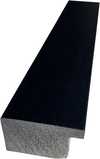
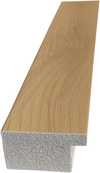
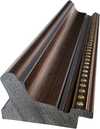
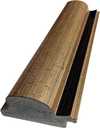
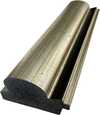
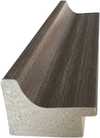
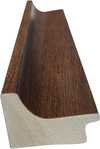
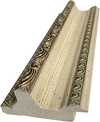
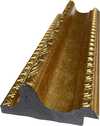
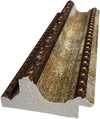
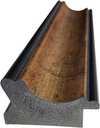
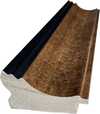
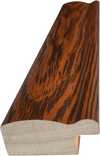
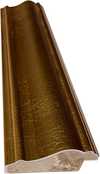
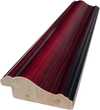
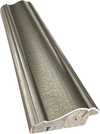
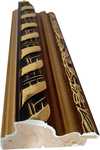
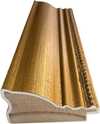
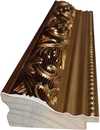
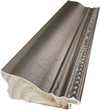
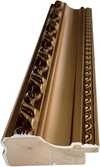
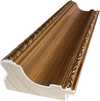
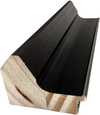
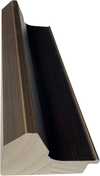
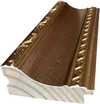
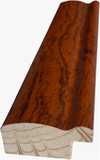
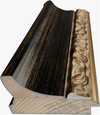
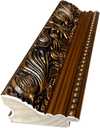
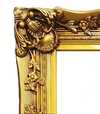
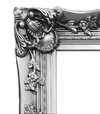
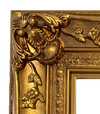
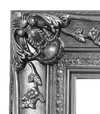
 خيار الزجاج متاح فقط للمقاسات التي تقل عن 110 سم


